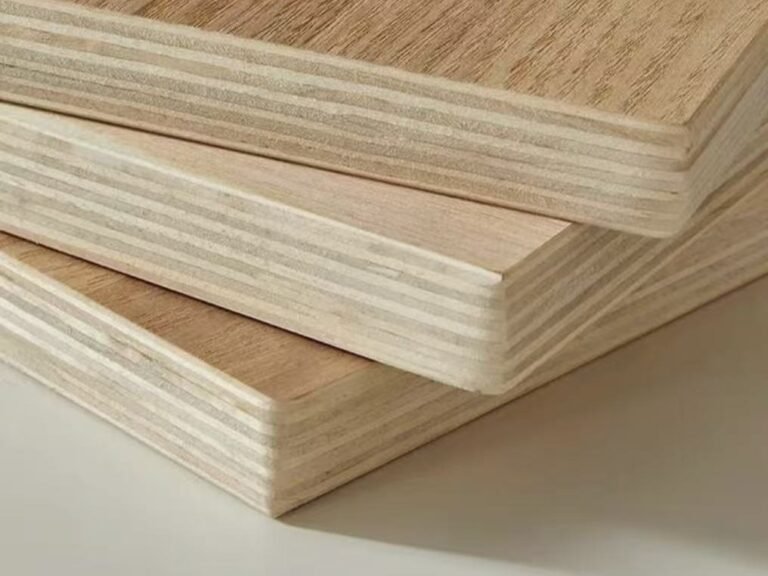
Blockboard-Used Where Core Structure Matters

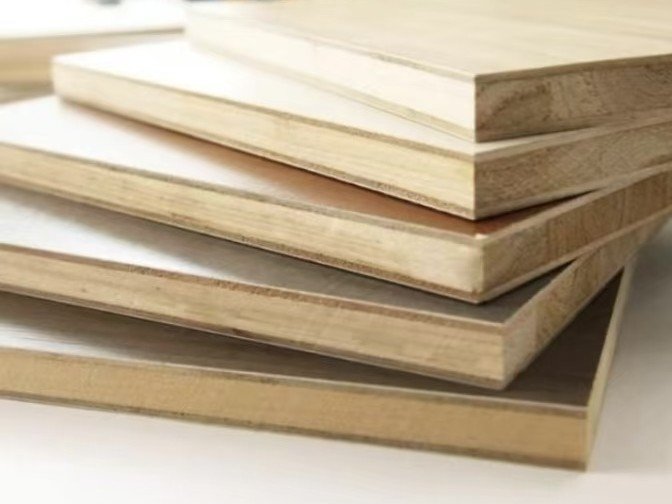
What it is ? Blockboard uses solid wood strips as the core, with surface layers applied on both sides. What matters is not only the name “blockboard”, but also the core quality, thickness and face material.

Where we use it ? We consider it for selected cabinet panels, shelving and furniture components where the construction requires this type of core.

What we pay attention to ? For a real project, we check whether the core is consistent, whether the panel remains flat, and whether the fixing position is suitable. If the surface will be laminated or veneered, the face material also needs to match the final finish.

What customers should know ?Two suppliers may both quote “blockboard” but be quoting very different products. Ask what is inside the board, not only what the board is called.

MDF-Our Choice for Painted & Shaped Door Panels

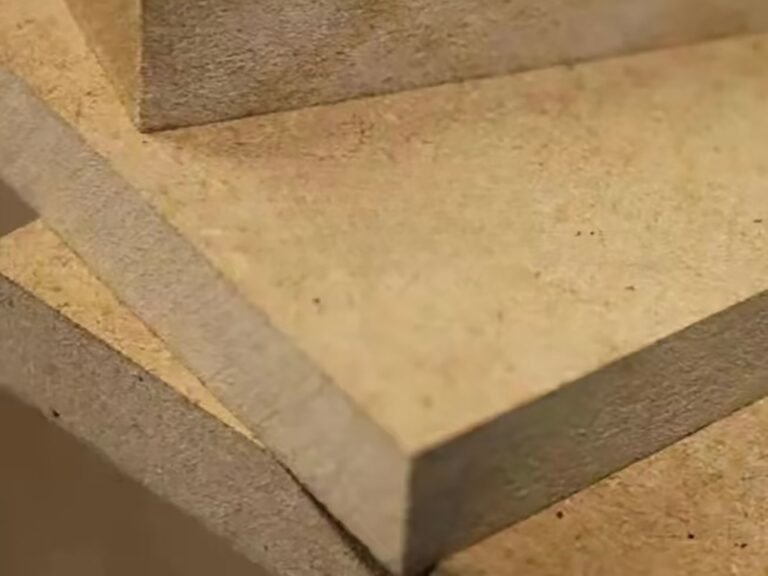
What it is ? MDF has a fine and uniform fibre structure. That gives us a smooth surface for painting and allows grooves, profiles and detailed shapes to be machined more consistently.

Where we use it ? We mainly consider MDF for painted cabinet doors, routed wardrobe doors, decorative panels and other components where the finished surface and machining detail matter.

What we pay attention to ? A tall painted wardrobe door is not just an “MDF door”. Once the door becomes larger and heavier, we also have to consider panel thickness, finished door weight, hinge quantity, fixing positions and long-term adjustment.

What customers should know ?We would not recommend MDF simply because the customer wants a “better board”. First tell us where the board will be used and what finish you want. Then we decide whether MDF actually makes sense.

OSB -A Specific Material, Not a Default Cabinet Upgrade

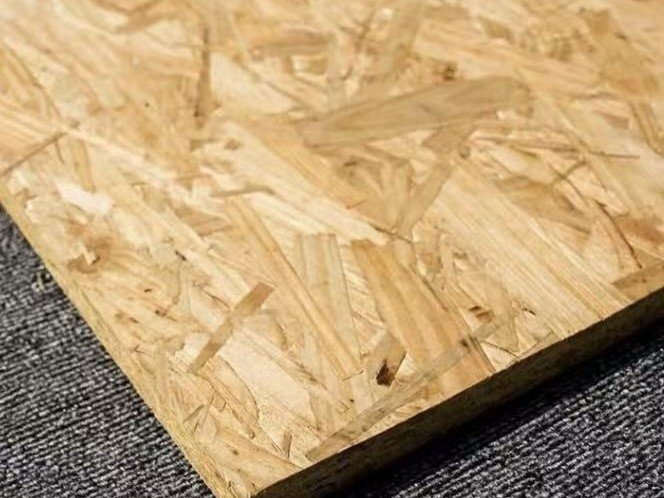
What it is ? OSB is manufactured from oriented wood strands pressed into panels. Its structure, appearance and typical applications are different from MDF, particle board and plywood.

Where we use it ? For our cabinetry and interior projects, we consider OSB only where the product design or technical requirement calls for this type of supporting or structural board.

What we pay attention to ?Before using it, we need to know the required grade, thickness, exposure condition, structural purpose and whether the board will remain visible or receive another finish.

What customers should know ?We do not recommend OSB simply because it looks thicker or more structural. If another board is more suitable for the actual cabinet component, there is no reason to specify OSB just to make the material list look stronger.

Particle Board-Common in Cabinet Carcasses, but Specification Matters

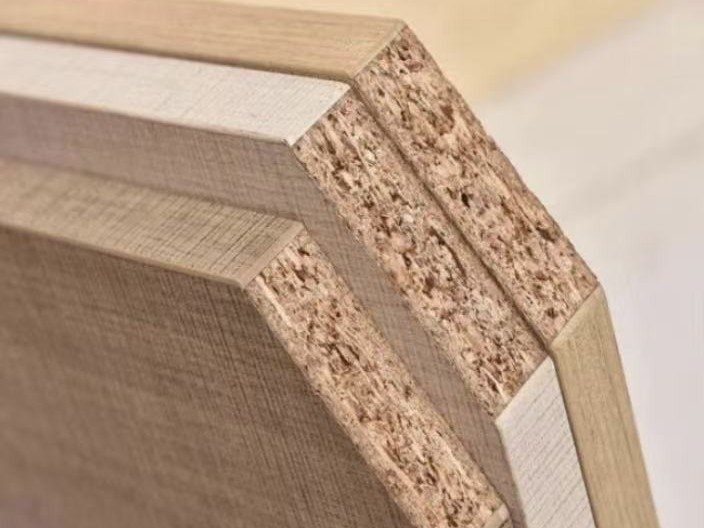
What it is ?Particle board is an engineered wood panel made from wood particles. In cabinetry, it is commonly supplied with a finished surface such as melamine, so the customer normally sees the decorative finish rather than the raw board itself.

Where we use it ? It is commonly considered for wardrobe carcasses, cabinet bodies, internal partitions and supported shelving, particularly in projects that require repeatable production across many cabinets or rooms.

What we pay attention to ?We do not judge it by the words “particle board” alone. We look at the actual grade, thickness, edge sealing, shelf span and hardware fixing. Around sinks, vanities or other moisture-risk areas, the exposure condition also needs separate consideration.

What customers should know ?A common question is: “Is particle board cheap and low quality?”
Not necessarily. A correctly specified board in the right position can be more sensible than paying for a more expensive material that provides no real benefit there.

Plywood-Often Considered When Fixing & Structure Become More Demanding

What it is ?Plywood is built from multiple veneer layers bonded together. But the word “plywood” tells us only the material category—it does not tell us the actual grade or construction.

Where we use it ?Depending on the project specification, we consider plywood for selected kitchen cabinets, bathroom cabinetry, storage units and components where fixing, structural requirements or site conditions are more demanding.

What we pay attention to ?We check the actual core construction, number and condition of layers, thickness, face quality, edge condition and required finish. If hardware will carry significant loads, the fixing location also matters.

What customers should know ?If one quotation says “18 mm plywood” and another also says “18 mm plywood,” they are not automatically the same product.Before comparing the price, compare the grade, core, face, finish and intended application.

Material Evidence You Can Verify
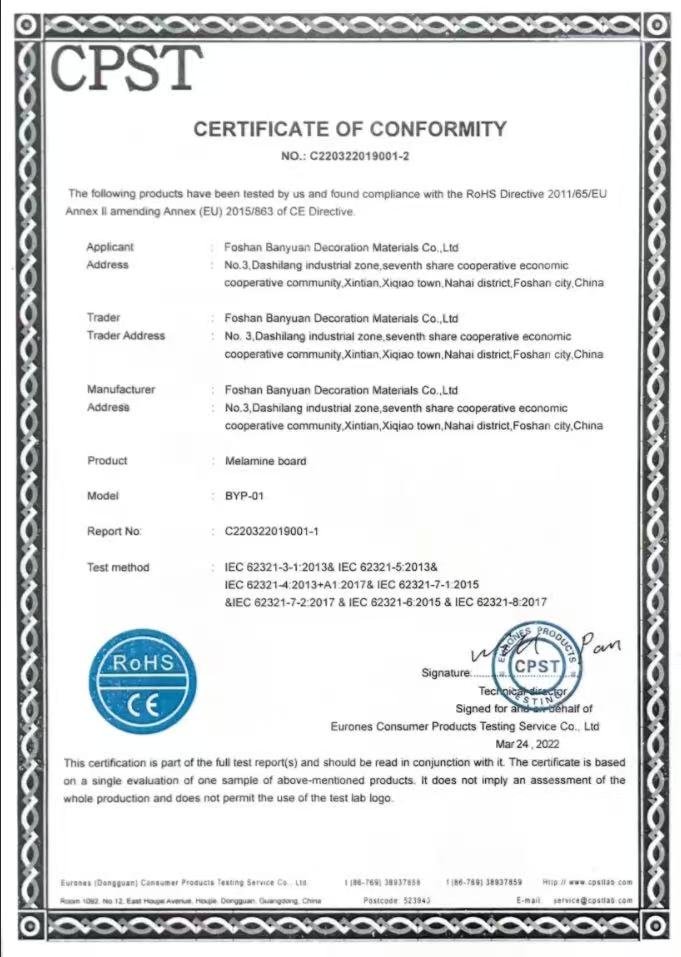
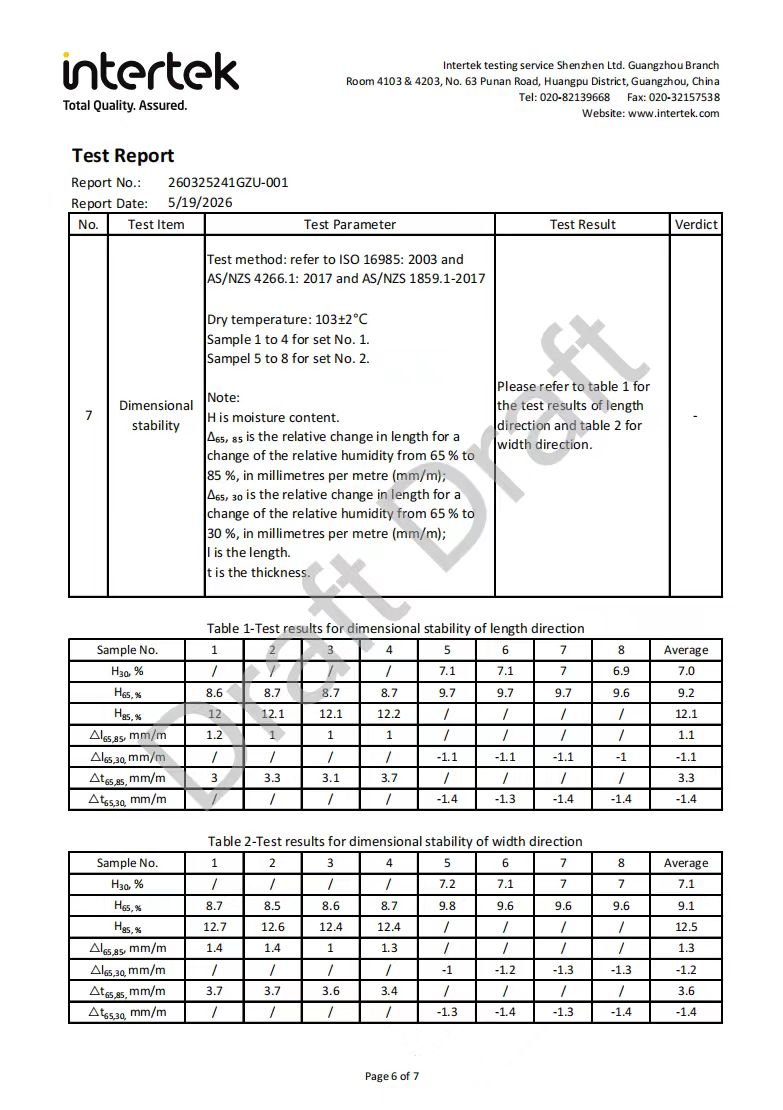
Real certificates, test reports, factory materials and finished projects help you verify the specifications behind our
cabinetry

Certificates

Certifications available for confirmed material specifications.

Request Material Documents →
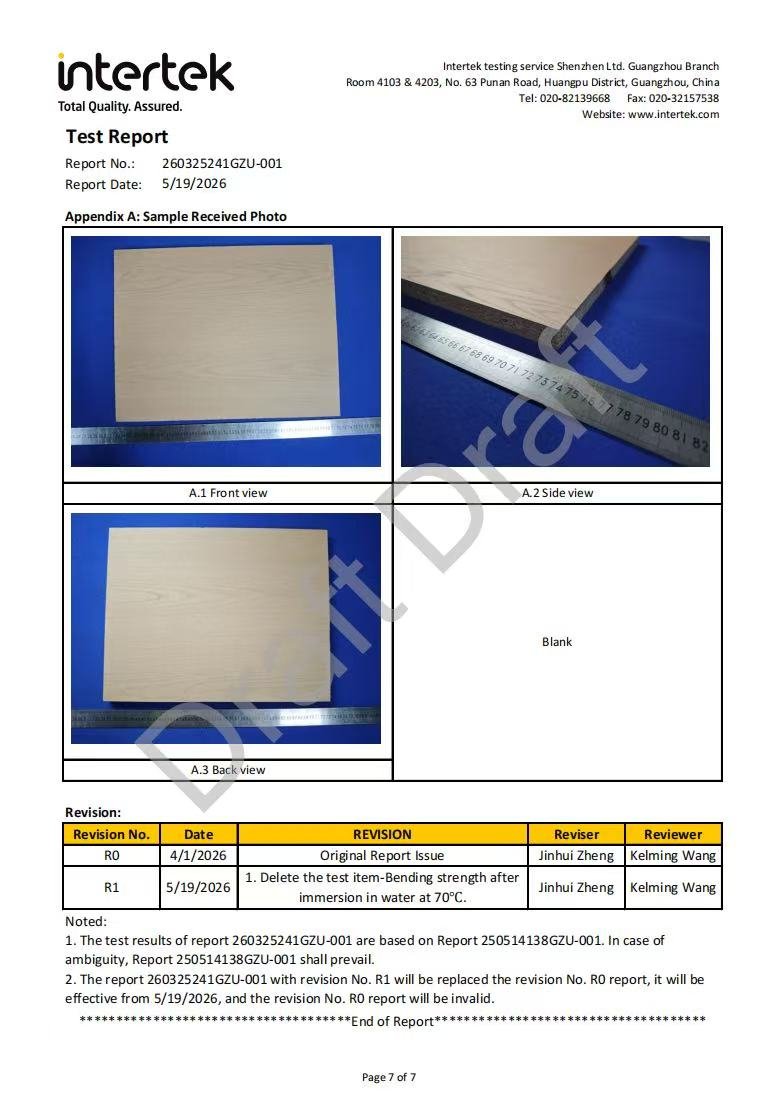
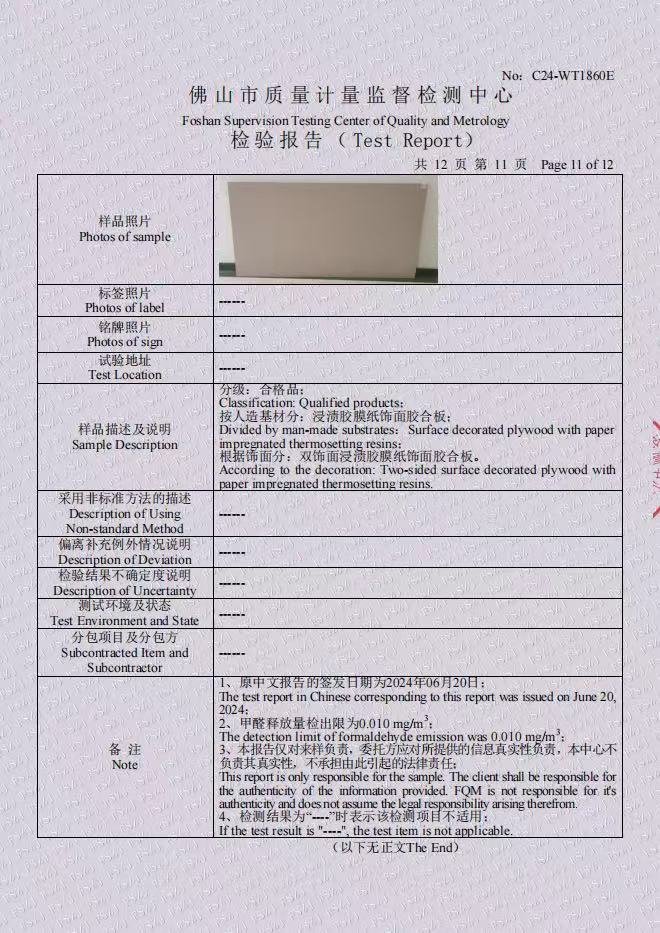
Test Reports

Test evidence for confirmed board specifications and requirements.

Request Test Reports →
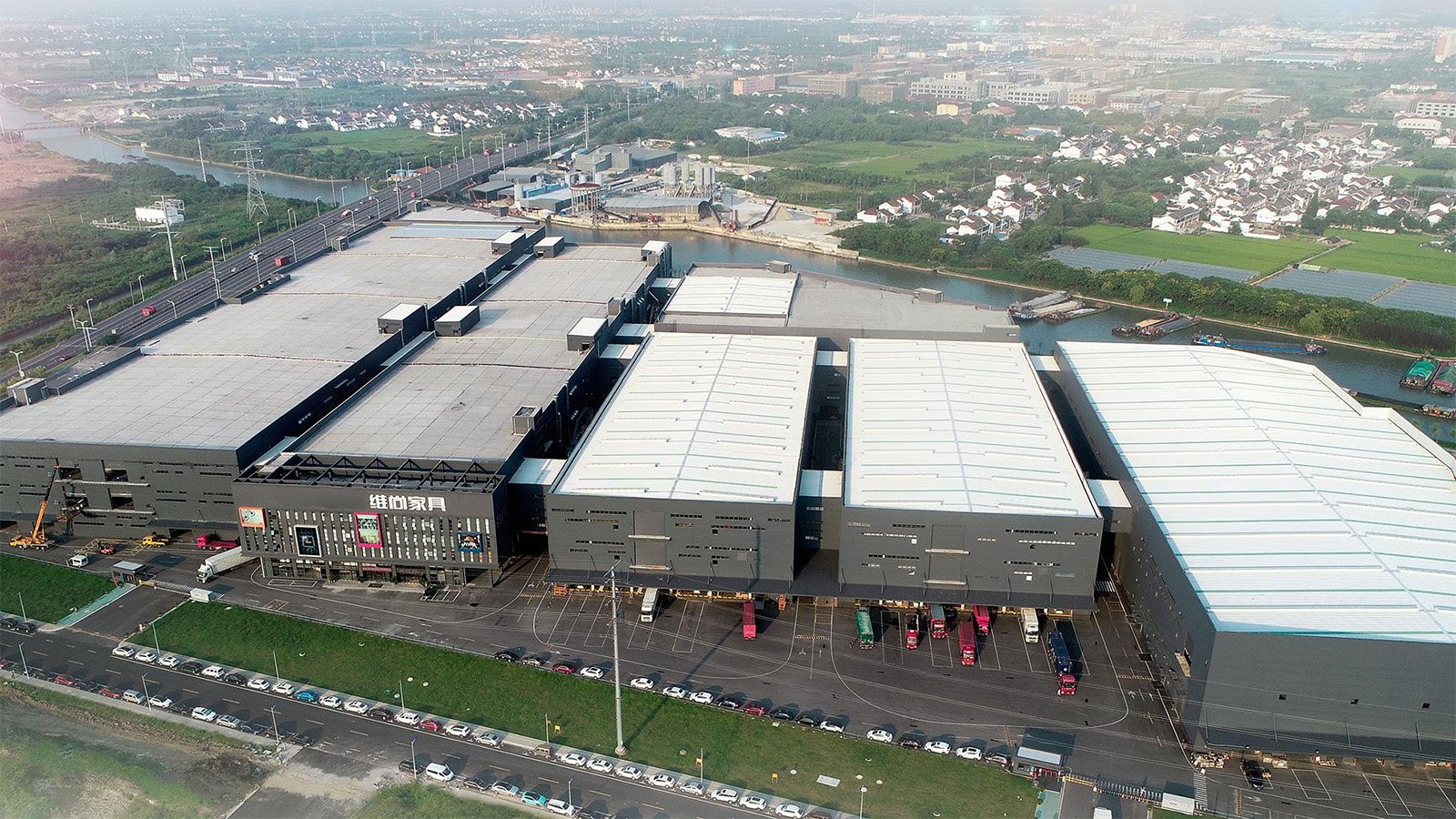

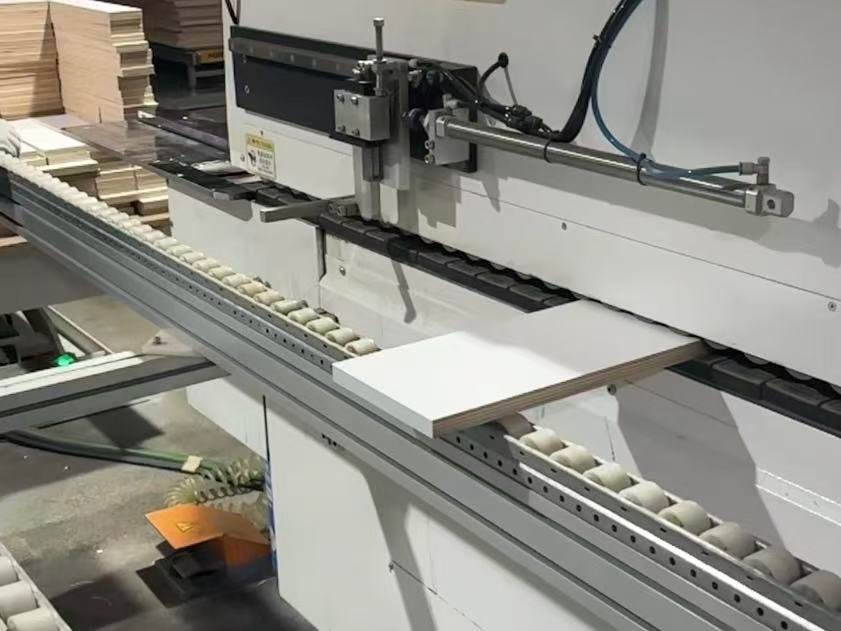
Factory Board Photos

Real boards, core structures and materials used in production.

Ask About Board Options →
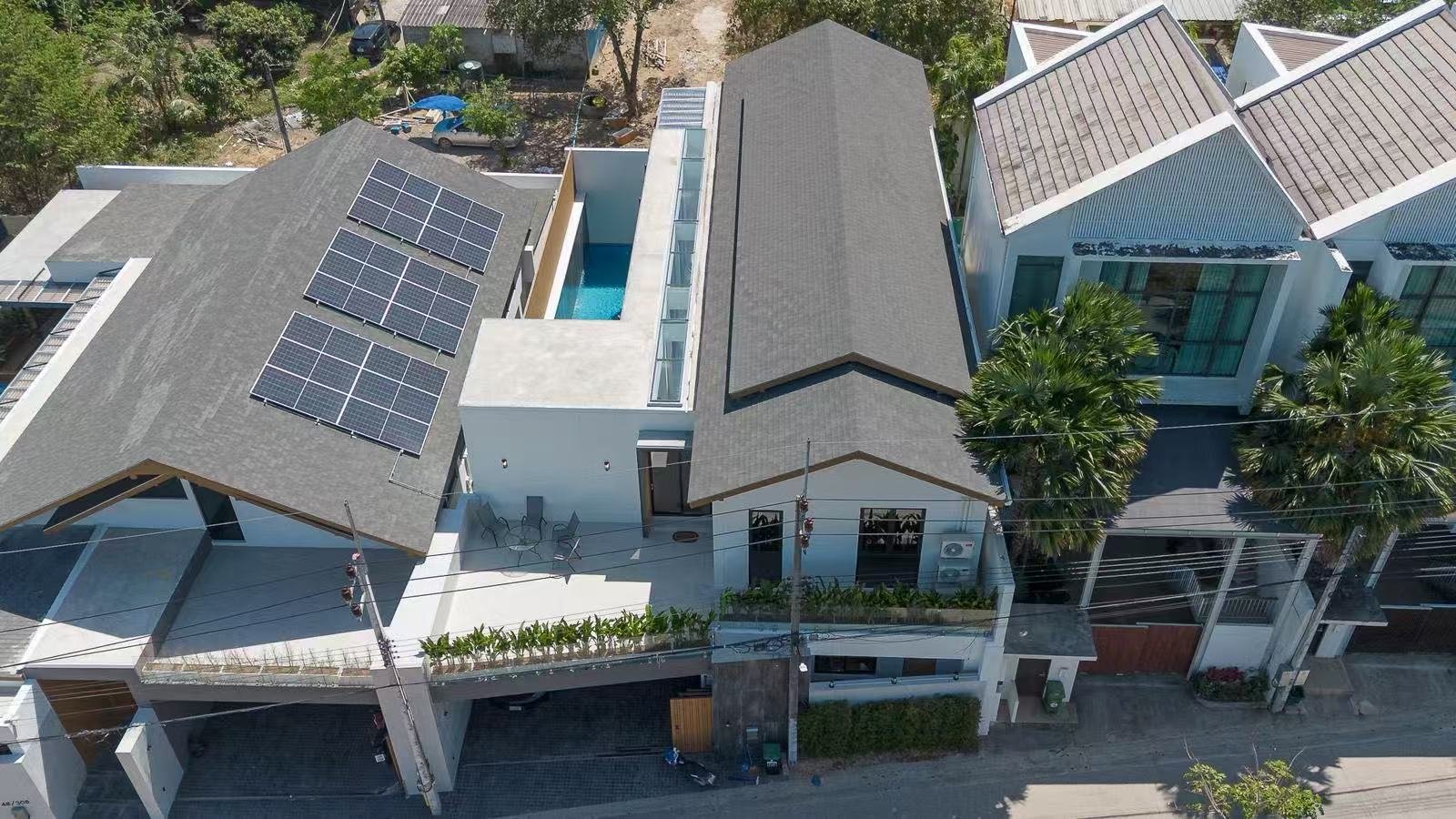
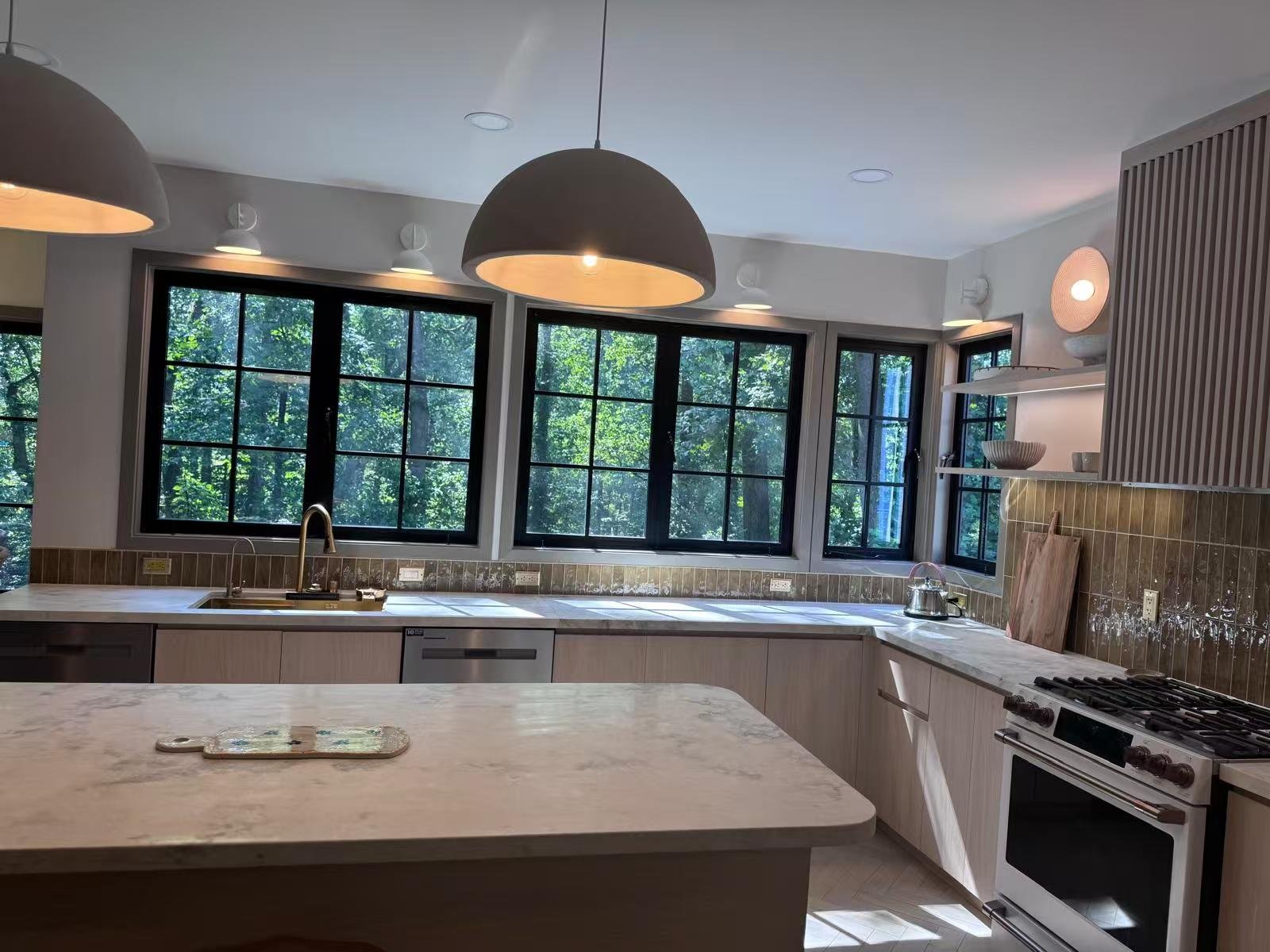
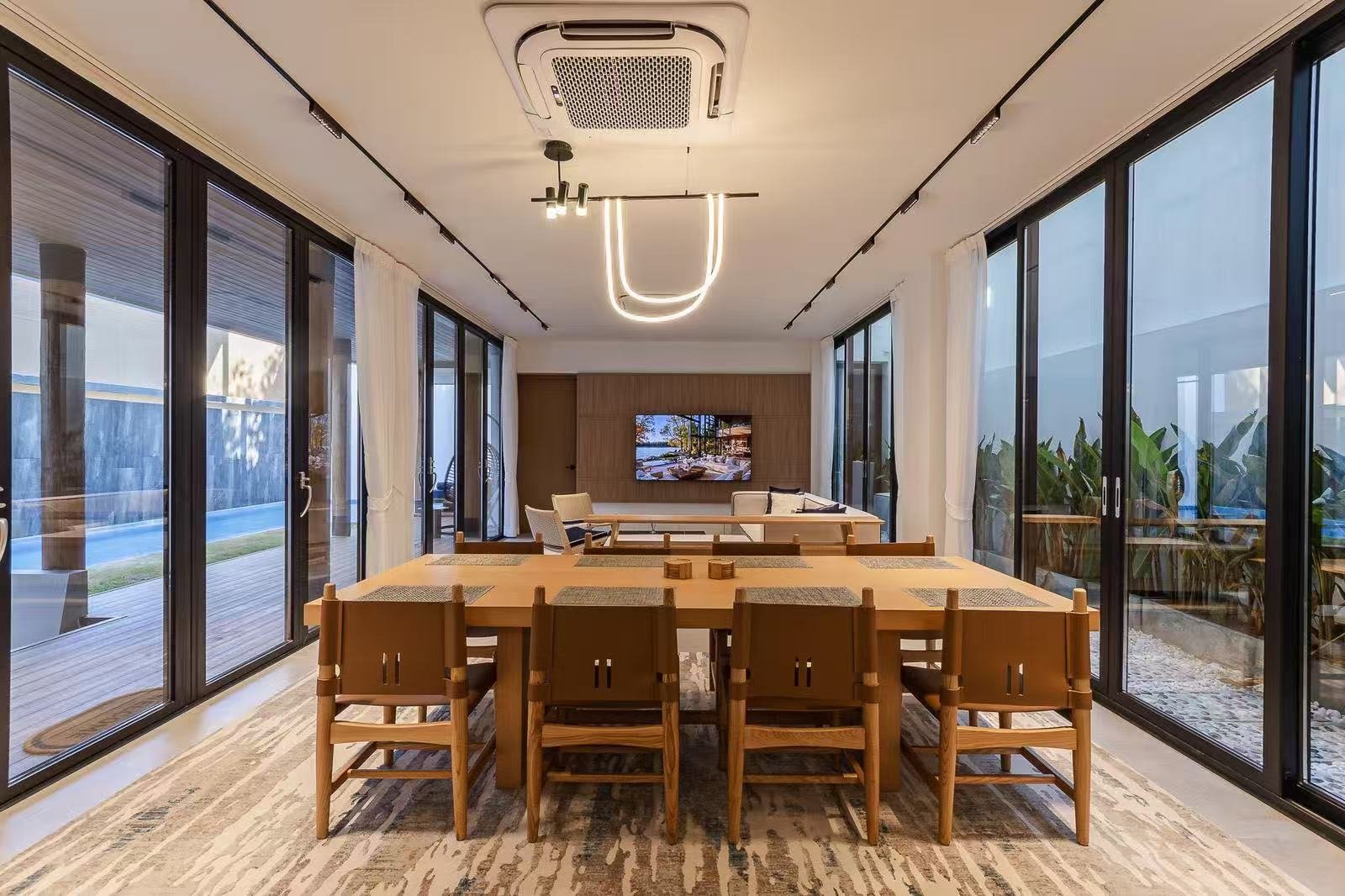
Finished Projects

See how selected materials are applied in completed cabinetry.

Discuss Your Project →

What We Check for Different CabinetApplications
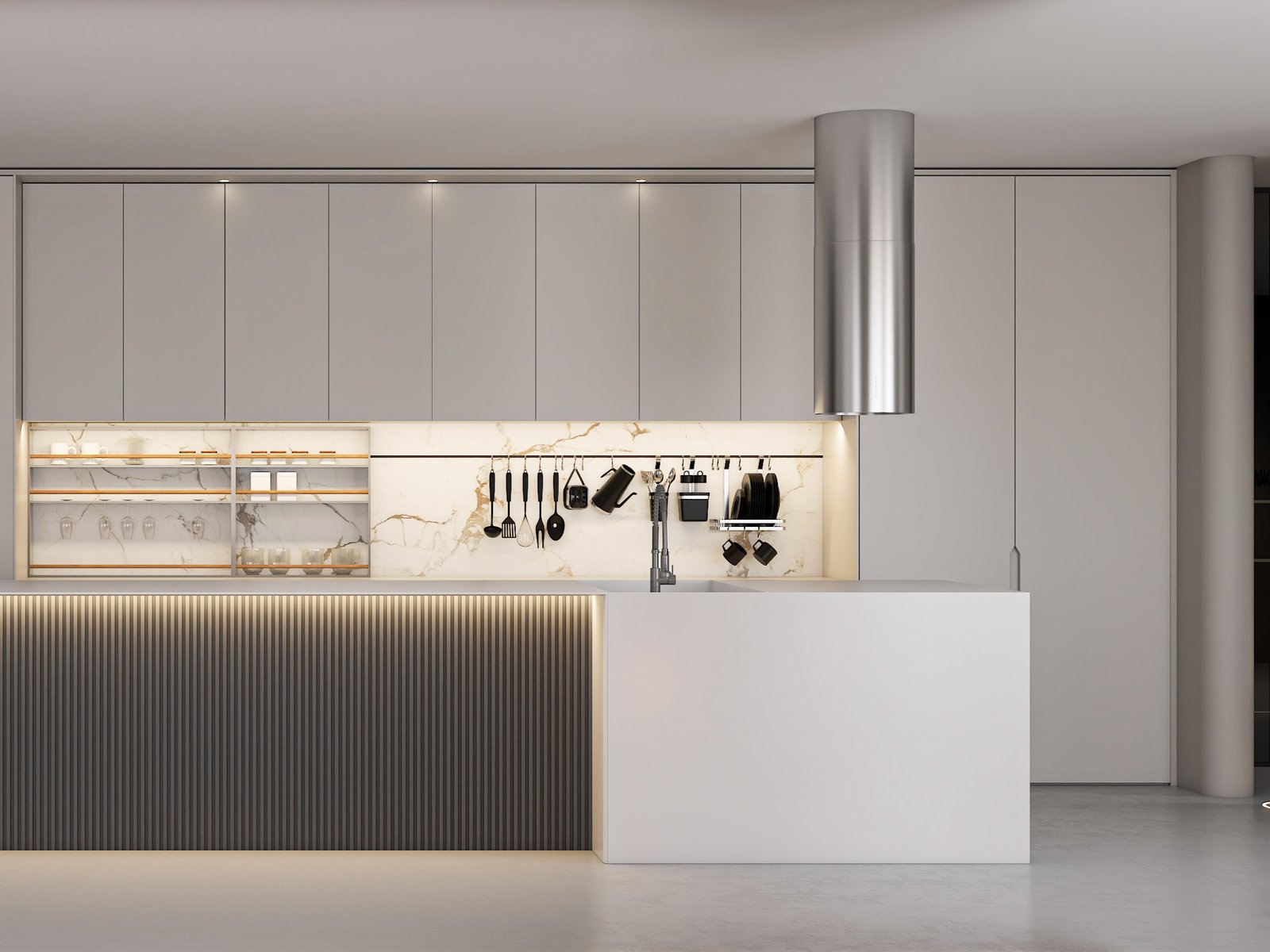
Board selection depends on where and how the finished componentwill be used.

Premium custom kitchen cabinetry design

Kitchen Cabinetry

Review the location of sinks, appliances and frequently used storage before confirming the board specification and construction details.

Moisture Exposure
Check sink areas, plumbing and cleaning conditions.
Hardware Fixing
Coordinate hinges, runners and fixing positions.
Edge Protection
Review exposed edges, joints and cut-outs.
Surface Finish
Match the finish to daily use and cleaning.
Explore Kitchen Cabinets →
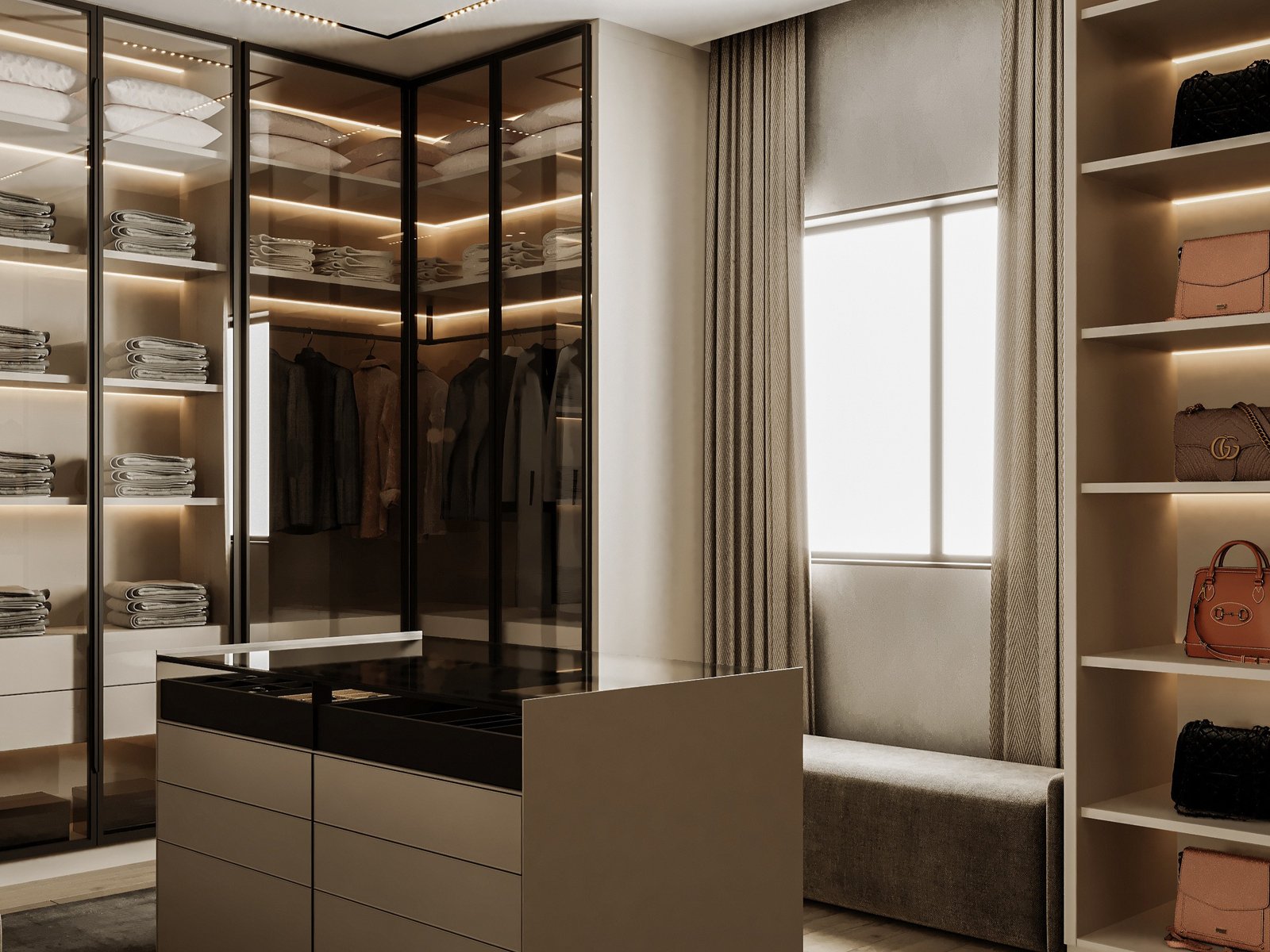
Villa projects luxury walk in closet.

Wardrobes

Coordinate the board with door dimensions, storage loads and hardware. Tall doors and long shelves need particular attention during planning.

Door Dimensions
Review height, weight and opening method.
Hardware Fixing
Match hinges or tracks to the selected panels.
Shelf Support
Check shelf spans and expected storage loads.
Surface Finish
Coordinate visible panels and interior finishes.
Explore Custom Wardrobes →
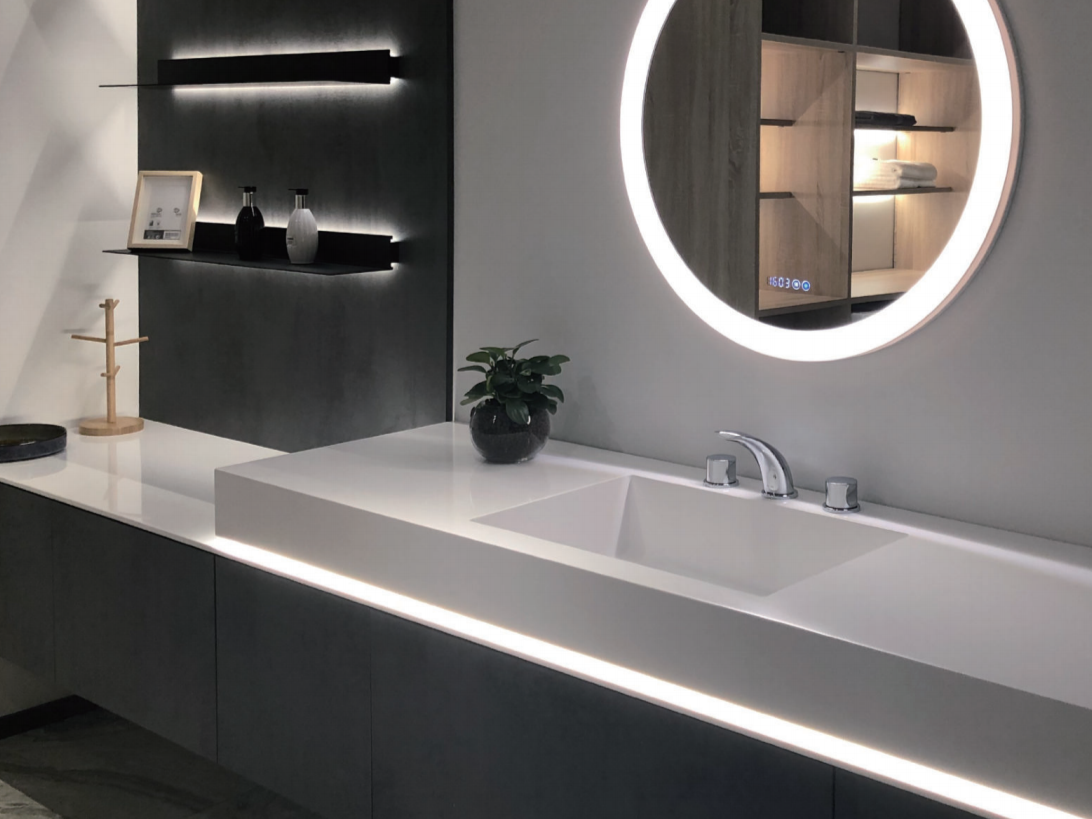
Bathroom vanity countertop with round mirror lighting

Bathroom Vanities

Review the board together with basin openings, plumbing and sealing details. Exposure conditions should be assessed for the actual installation.

Moisture Exposure
Identify humidity, splashes and possible water contact.
Basin & Plumbing
Confirm openings and service access.
Edge Protection
Specify protection around edges and cut-outs.
Installation Details
Coordinate wall fixing and countertop interfaces.
Explore More Cabinet →
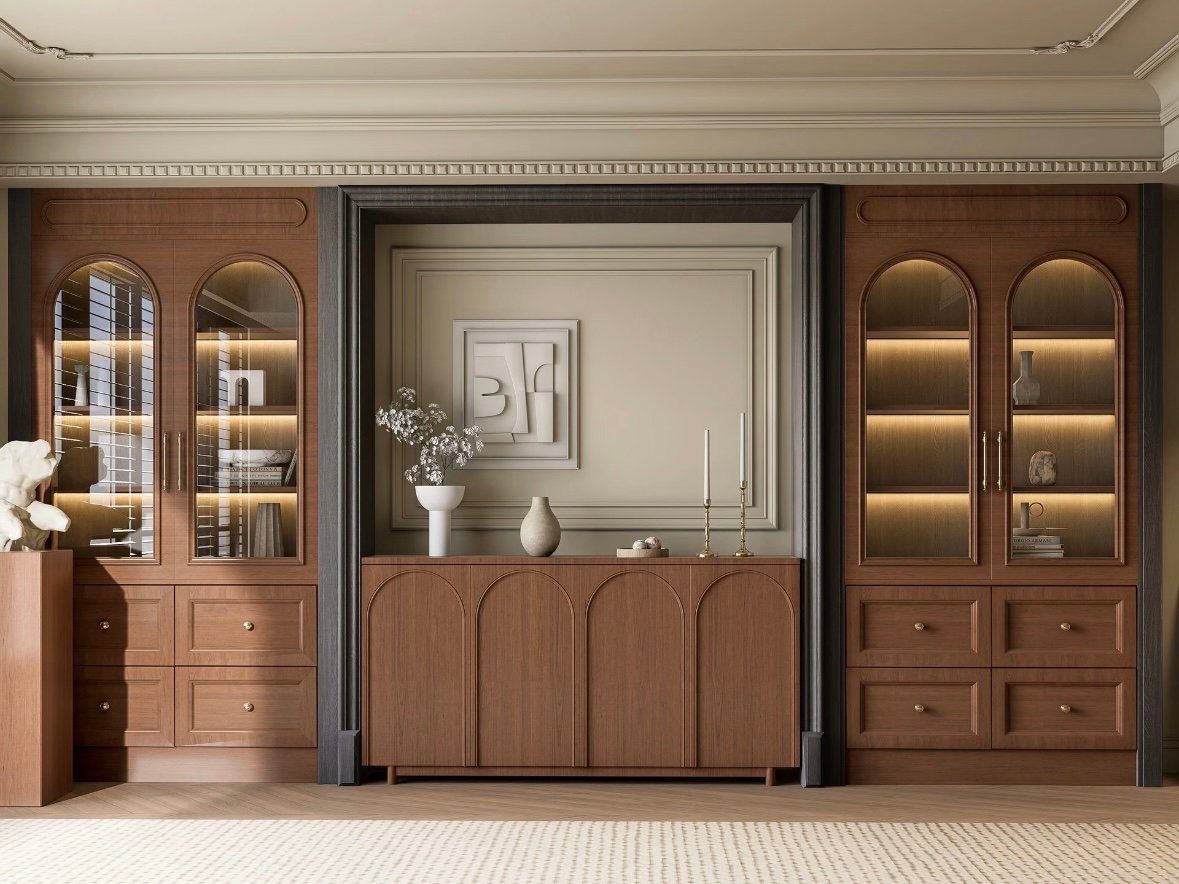
Custom kitchen cabinets walnut storage design

Storage & Integrated Cabinetry

Select panels around the storage design, supporting structure and installation conditions, especially where shelves carry concentrated loads.

Shelf Span
Review the distance between support points.
Storage Load
Consider the weight and position of stored items.
Fixing Points
Coordinate connectors and wall attachments.
Site Installation
Review access, panel dimensions and assembly.
Explore More Cabinet →
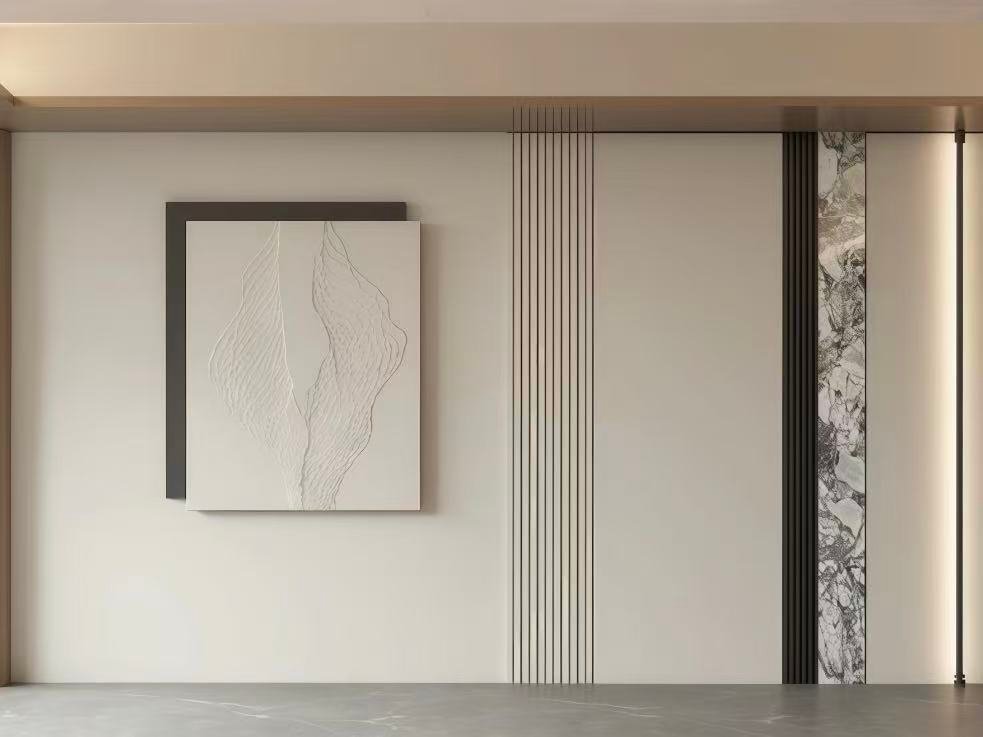
Custom wall panels for modern interior projects

Wall & Decorative Panels

Coordinate the substrate with surface finishes, machining and site junctions to support the intended appearance and alignment.

Panel Flatness
Review panel size, support and site conditions.
Surface Compatibility
Match the board to the selected finish system.
Machining Details
Confirm grooves, profiles and routed features.
Joint Coordination
Plan edges and junctions with walls and ceilings.

What Matters When Choosing a Furniture Board

Thickness

Selected according to panel size, span and required support.

Fixing & Screw Holding

Hinge, rail and fitting loads affect fixing requirements.

Moisture Exposure

Consider humidity, wet areas and actual water exposure.

Edge Protection

Exposed edges, cut-outs and joints require proper sealing.

Surface Compatibility

The board must suit the selected laminate, veneer or painted finish.

CNC Processing

Grooves, drilling and routed details depend on machining requirements.

Transport & Installation

Panel size, packing, shipping and site handling affect stability.

What Changes When We Select Boards for Different Projects?

HOTEL

Can the same specification stay consistent across every room?

For hotel projects, we focus on batch consistency, repeated hardware fixing, finish matching and replacement availability. Boards are reviewed against repeated room types so later production or replacement parts can follow the approved specification.

Batch Consistency Hardware Fixing Finish Reference Replacement
Explore Hotel Furniture Solutions →
APARTMENT

Can we control cost without creating problems in mass production?

For apartment projects, board selection needs to balance cost, standardized production, fixing requirements and installation efficiency across multiple units without unnecessary over-specification.

Cost vs. Requirement Standardization Production Efficiency Packing
Explore Apartment Cabinet Solutions →
VILLA

Does every cabinet really need the same board?

Usually not. Kitchens, wardrobes, bathroom vanities and integrated cabinetry face different conditions. We review moisture exposure, door size, hardware load, finish and actual use before confirming the board specification.

Moisture Exposure Door & Hardware Load Finish Application
Explore Villa Furniture Solutions →

When We Recheck the Board Specification

Frequent Water Exposure

We recheck board grade, edge sealing, sink or plumbing cut-outs, and the actual wet-area conditions before confirming the material.

Heavy or Oversized Doors

Large doors increase load on the board and hardware. We review door size, weight, hinge quantity, fixing points and adjustment requirements together.

Long Unsupported Shelves

Long shelf spans can deflect under load. We review thickness, span, expected storage load and whether additional support is needed.

Demanding Fixing Points

Heavy hardware or concentrated loads require stronger fixing conditions. We review the substrate, screw holding and connector positions before production.

Exposed Edges & Cut-outs

Edges, drilled areas and cut-outs can become weak points if not properly protected. We check sealing and finishing details according to the application.

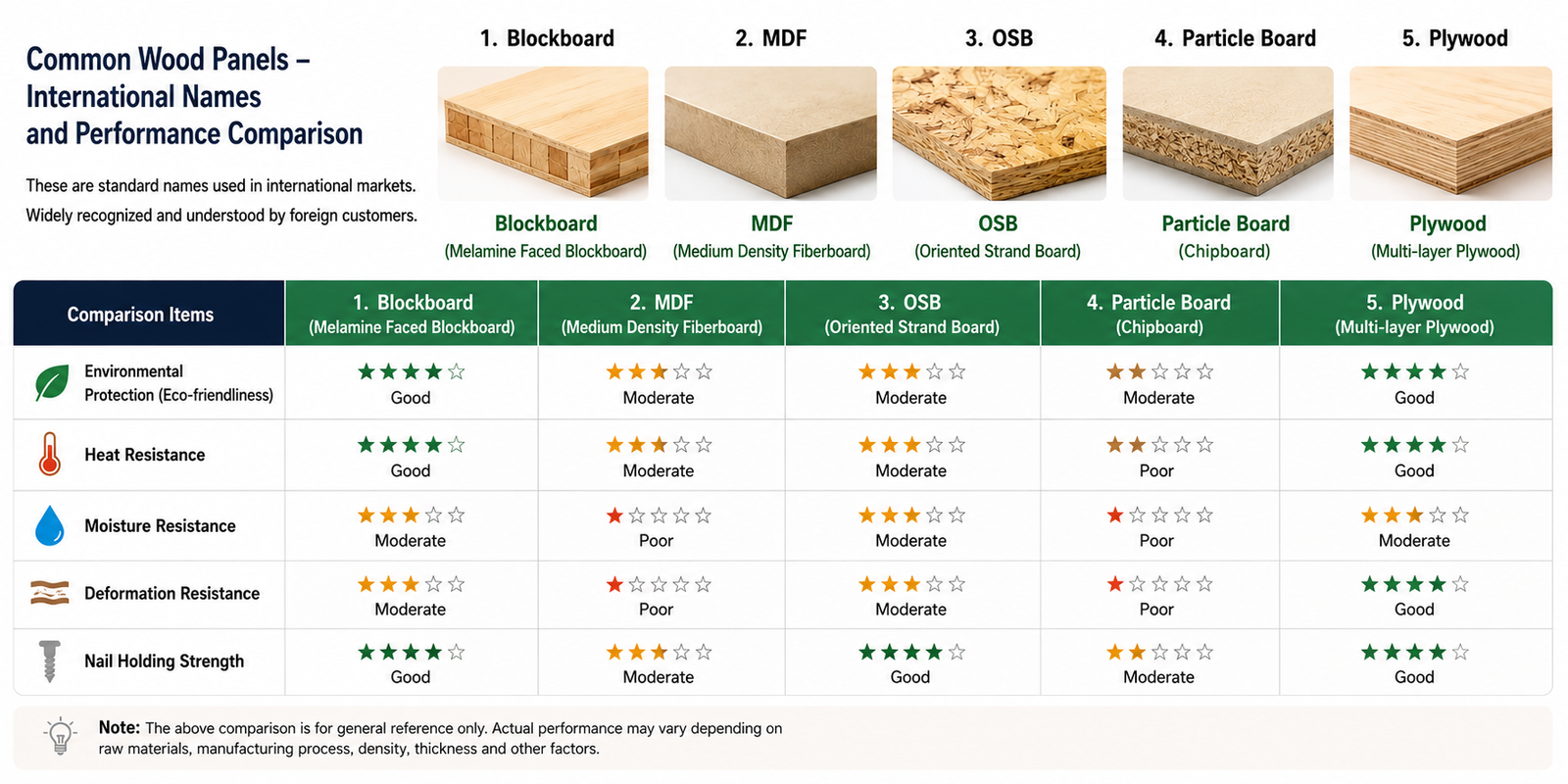
Sheet Material Reference Chart

wood panel comparison blockboard mdf osb plywood particle board

Furniture Board FAQ

What is a furniture board?

Furniture board is a general term for panel materials used to manufacture furniture and cabinetry. Depending on the product and application, this may include MDF, plywood, particle board, blockboard and other engineered wood panels.

What is the best board for furniture?

There is no single best board for every application. The right choice depends on where the board is used, required thickness, door or shelf size, hardware fixing, moisture exposure, surface finish and project requirements.

What is the difference between MDF, plywood and particle board?

They differ in core structure, machining behavior, fixing performance, surface compatibility and available grades. We match the specification to the cabinet component and its actual use rather than selecting by name alone.

Is plywood always better than MDF or particle board?

No. A higher-cost board is not automatically better for every component. Painted or routed parts, cabinet bodies, shelves and areas with demanding fixing conditions may require different materials.

Which furniture board is suitable for kitchen cabinets?

Kitchen cabinet materials should be selected according to the specific location. Moisture exposure, edge sealing, thickness, finish and hardware loads should be reviewed together, especially around sinks and frequently used hardware.

Which board should I use for wardrobes?

Wardrobe board selection depends on the component. Cabinet carcasses, long shelves, tall hinged doors, sliding doors and decorative panels may require different specifications depending on load, fixing and finish.

Can the same furniture board specification be used for an entire project?

Not necessarily. Kitchens, wardrobes, vanities, storage units and integrated cabinetry can face different conditions, so board specifications are usually reviewed according to the actual application.

What information do you need before confirming a furniture board specification?

We normally review product drawings, intended application, dimensions, finish, hardware requirements, moisture exposure and project conditions. Relevant material samples, certificates or test documents can be provided for confirmed specifications where applicable.

Let’s Discuss, Your Project.

Tell us about your project requirements and we’ll connect you with the right team. We typically respond within 24 hours on business days.

Call / WhatsApp
Offices
Located on Central Avenue, Nanhai District, Foshan City, Guangdong Province

Start a Conversation

Fill in your details and we’ll be in touch shortly.


Scroll to Top