
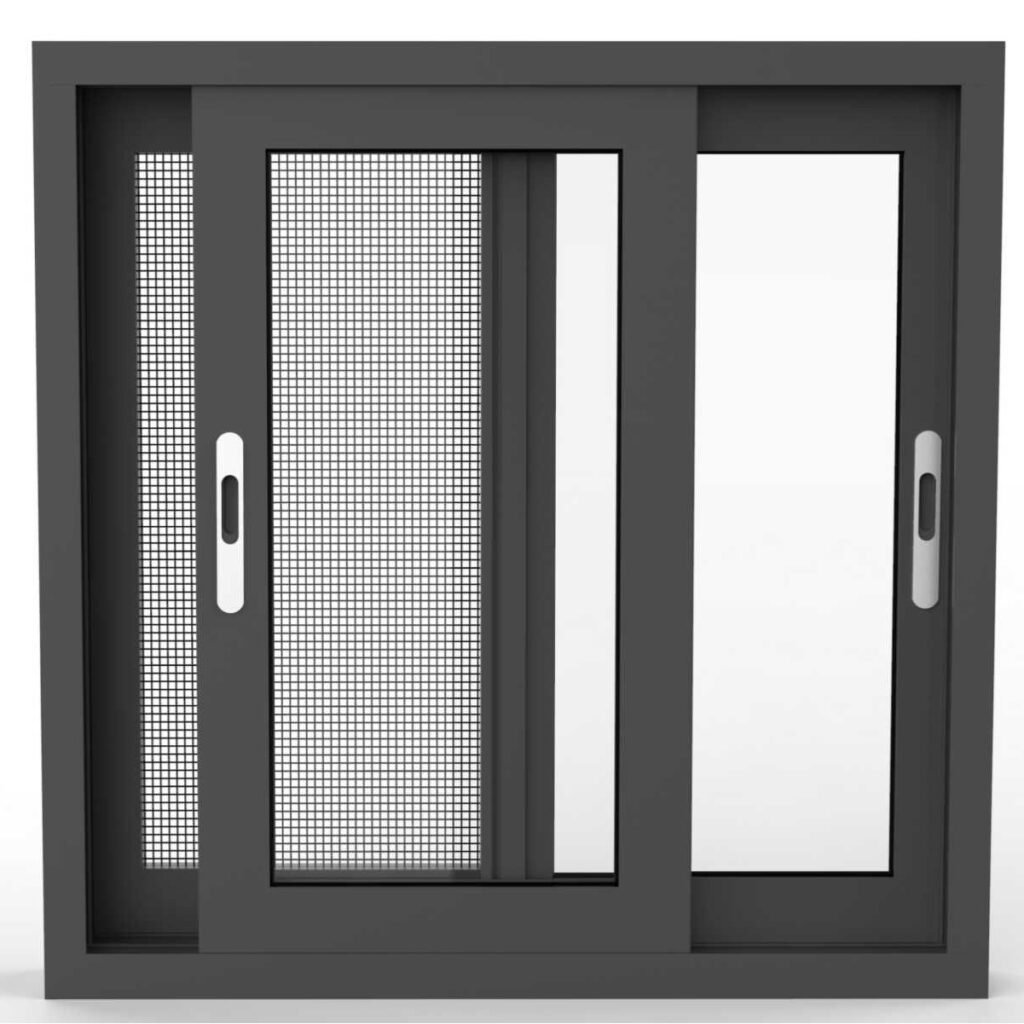
Aluminum Sliding Windows
Horizontal-track windows that glide open without swing clearance — ideal for balconies, floor-to-ceiling openings, and projects where every centimeter of usable space matters. Available in 2, 3 and 4-panel configurations.
6063-T6
Aluminum Grade
1.6-2.0mm
Min. Wall Thickness
45d
Avg. Delivery
0%
Defect Rate
Sliding Window
01 / OVERVIEW
What is a Sliding Window?
Sliding windows typically provide a smaller unobstructed opening than fully opened casement sashes because some panels overlap.
However, the actual clear opening depends on the number of tracks, sliding and fixed sash arrangements, and the overall window design.
For projects with specific ventilation or access requirements, we confirm the clear opening dimensions in the approved shop drawings.
More Configurations
02 / SERIES
Sliding window series.
From compact 2-panel units to full lift-and-slide walls, we configure sliding systems around your opening size and load requirements.
Sliding Window Specification
03 / SPECIFICATION
Sliding Window Tracks, Drainage and Glass
A complete aluminum sliding window system combines tracks, drainage channels, glass, rollers, locking hardware and weather seals. These components should be coordinated with opening dimensions, climate and installation conditions.
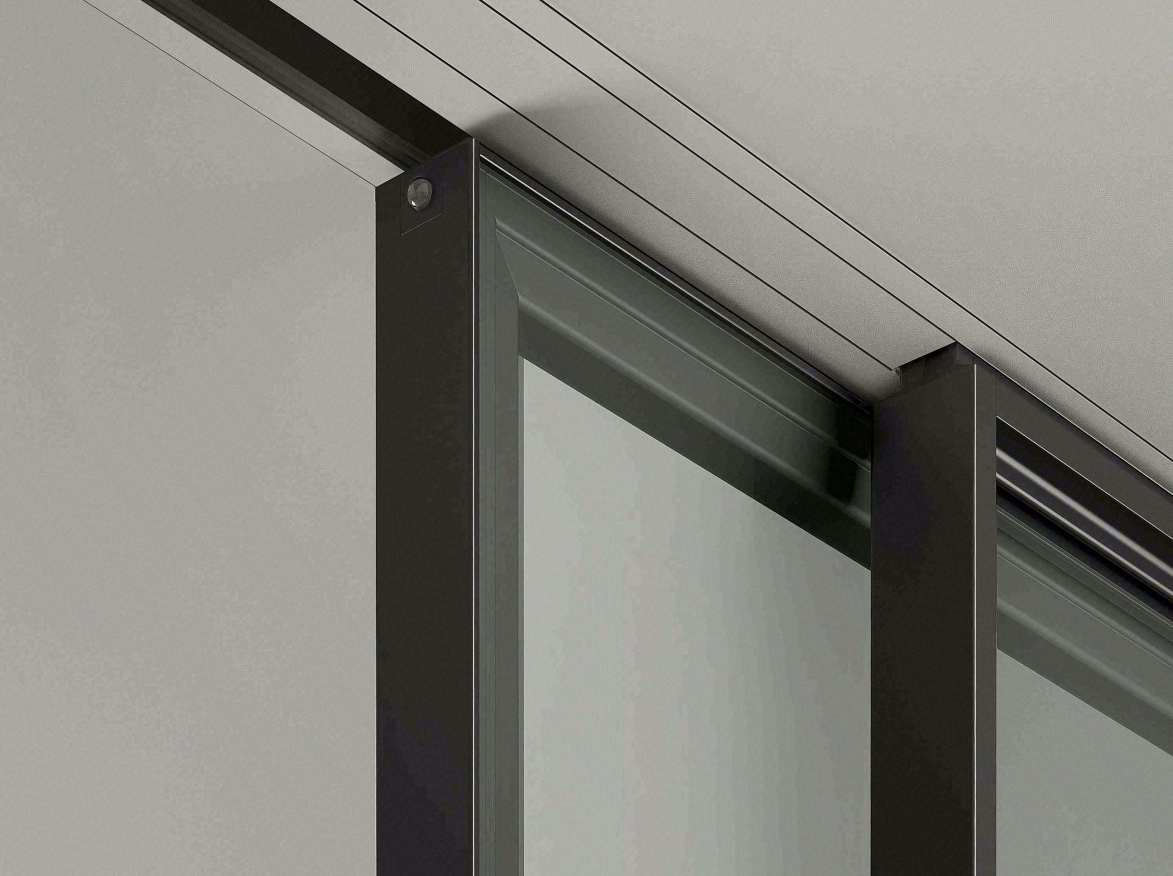
Sliding Window Track Configurations
Two-track systems are commonly used for compact sliding arrangements. Three-track and four-track systems may accommodate additional moving sashes and different opening layouts.
Track count is not the same as panel count. Clear opening dimensions depend on moving and fixed sash arrangements, sliding direction and frame design.
Sliding Window Drainage & Weep Holes
Sliding window tracks require a designed drainage path to manage incidental rainwater. Depending on the system, water is directed through sill channels and drainage outlets to the exterior.
Effective drainage also depends on sill detailing, flashing, perimeter sealing and wall interfaces. Drainage openings must remain clear during installation and maintenance.
Sliding Window Glass & Weather Sealing
Glass options may include single glazing, insulating glass units, Low-E coatings and safety glass, depending on the selected aluminum window system.
Glass thickness and panel weight must match the sash structure and roller capacity. Gaskets, weatherstripping and frame interfaces also influence overall window performance.
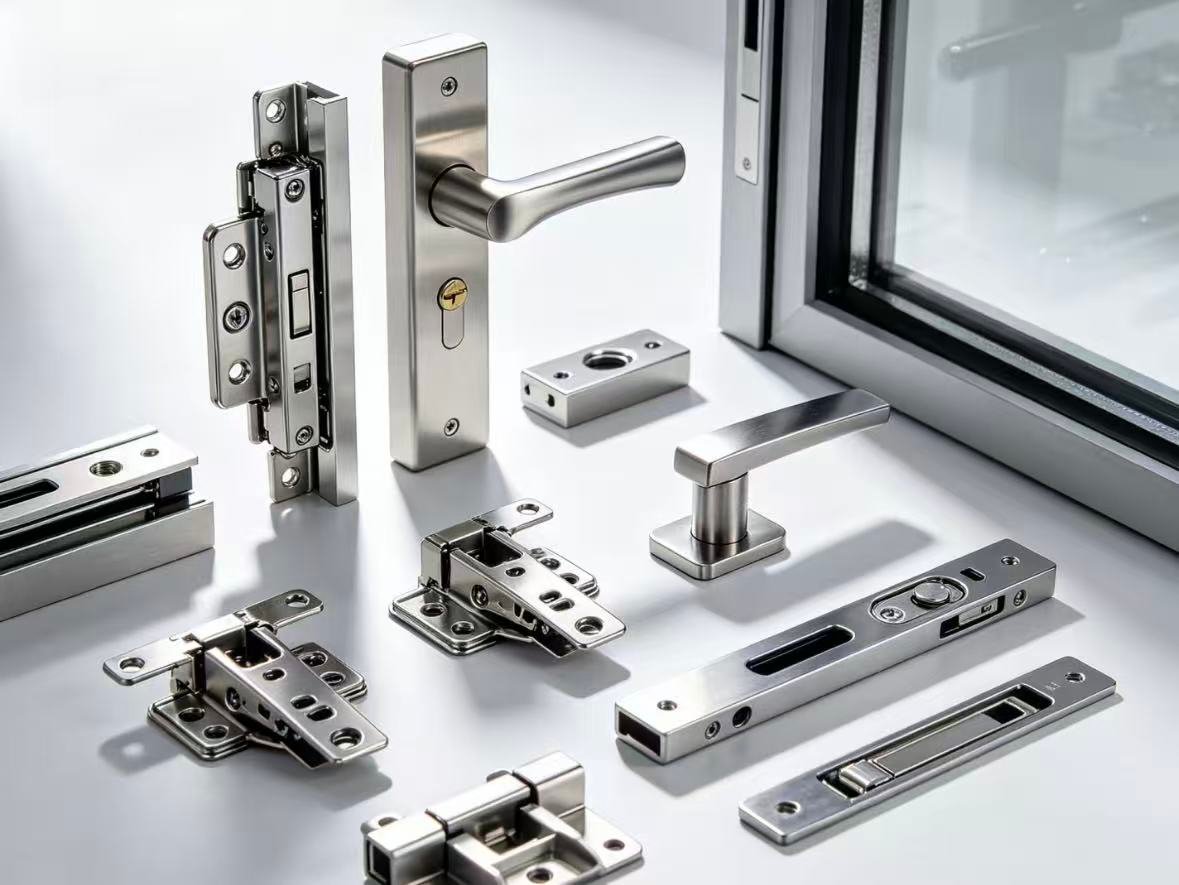
Sliding Window Rollers, Locks & Hardware
Smooth sliding operation depends on compatible rollers, guide tracks, correct sash alignment and suitable load capacity for each moving panel.
Handles, locks, anti-lift provisions and weatherstripping should be coordinated with the selected system. Hardware models and replacement availability should be confirmed before production.
Before Production & Installation
Confirm the window schedule, site opening dimensions, sliding direction, track layout, glass specifications, sash weight, roller and locking hardware, drainage outlet locations, sill and flashing details, frame fixing points and waterproofing interfaces. Final specifications should follow approved shop drawings, site conditions and applicable product documentation.

Aluminum Sliding Windows FAQ
What are the advantages of aluminum sliding windows?
+
No swing clearance needed, smooth roller operation even at large sizes, slim sightlines for more glass area, and secure hook-lock hardware — all in a frame resistant to coastal and high-heat corrosion.
What are the drawbacks compared to casement windows?
+
Sliding windows typically provide a smaller unobstructed opening than fully opened casement sashes because some panels overlap. However, the actual clear opening depends on the number of tracks, sliding and fixed sash arrangements, and the overall window design. For projects with specific ventilation requirements, we confirm the clear opening dimensions in approved drawings.
Are sliding windows as airtight as casement windows?
+
Casement windows compress a seal shut, generally providing tighter air sealing. Sliding systems use weatherstripping and compatible frame details to control air infiltration. Actual performance depends on the selected window system, configuration and installation.
What is the difference between 2-track and 3-track sliding windows?
+
A 2-track window has two parallel sliding channels, while a 3-track system provides three. The available sash arrangements, clear opening and frame depth depend on the selected product system. We confirm the configuration through the approved drawings.
How does a sliding window drainage system work?
+
A sliding window drainage system directs incidental water from the sill or track channels toward designed exterior outlets, often through weep holes. Drainage performance also depends on the sill slope, flashing, seals and installation details. Drain openings should not be blocked during installation or cleaning.
Can sliding windows use double glazing, Low-E or laminated glass?
+
Yes, where supported by the selected aluminum sliding system. The glass composition, overall thickness, panel weight and safety requirements must be compatible with the profile and hardware. Final specifications are confirmed before production.
How do you select rollers and locks for large sliding windows?
+
Roller capacity and locking hardware are selected according to sash weight, window dimensions, opening configuration and system compatibility. For larger units, we review the applicable hardware specifications and approved drawings before confirming the final solution.
How much do aluminum sliding windows cost?
+
Pricing depends on panel count, size, glass makeup and hardware brand. Send your window schedule and we'll prepare an itemized quotation based on the project specifications.
What's the largest sliding window size you can produce?
+
Standard panel options include sizes up to 1200mm × 2400mm, depending on the selected system. Larger openings may require reinforced framing, different sliding systems and heavy-duty rollers. Final dimensions are subject to glass weight, structural requirements and technical approval.
Let’s Discuss, Your Project.
Tell us about your project requirements and we’ll connect you with the right team. We typically respond within 24 hours on business days.
Start a Conversation
Fill in your details and we’ll be in touch shortly.
