Blog

Woodwork Wardrobe: Design Styles, Materials & Custom Guide for Villa and Hotel Projects

In the pursuit of personalized spaces and premium living, mass-produced furniture often falls short of capturing the true essence of a home.

As modern minimalism and light luxury styles continue to dominate global design trends, high-end custom furniture has become the absolute core of creating an ideal living space.However, the custom furniture market can be highly complex.

Bridging the gap between a stunning design blueprint and the final product involves navigating materials, hardware, and craftsmanship. Here is how to choose bespoke luxury furniture like a professional designer.

Walk into any high-end villa in Malaysia, a boutique hotel suite in Dubai, or a premium serviced apartment in Sydney, and you will almost certainly find a woodwork wardrobe as the centrepiece of the bedroom. Not a plain white cabinet, not a mirrored unit — a wardrobe where wood grain, whether deep walnut, pale white oak, or cool grey oak, defines the entire atmosphere of the room.

This is not a coincidence. Over the past several years, woodwork wardrobes have moved from a premium option to the default specification in quality residential and hospitality projects globally. Design movements including Japandi, Wabi-sabi, and Biophilic Design have accelerated the shift toward natural materials, and the global custom furniture market reflects this — wood grain wardrobes now represent the largest single category within fitted bedroom storage across Southeast Asia, the Middle East, and Australia.

But understanding what makes a woodwork wardrobe worth specifying — and what separates a high-performing product from one that looks right on the showroom floor and disappoints on the project site — requires more than looking at design photos.

This guide covers everything a property developer, villa owner, hotel procurement manager, or interior designer needs to know: materials, design styles, layout options, interior configuration, sizing, hardware, and the specific considerations that matter when sourcing woodwork wardrobes for large-scale projects across international borders.
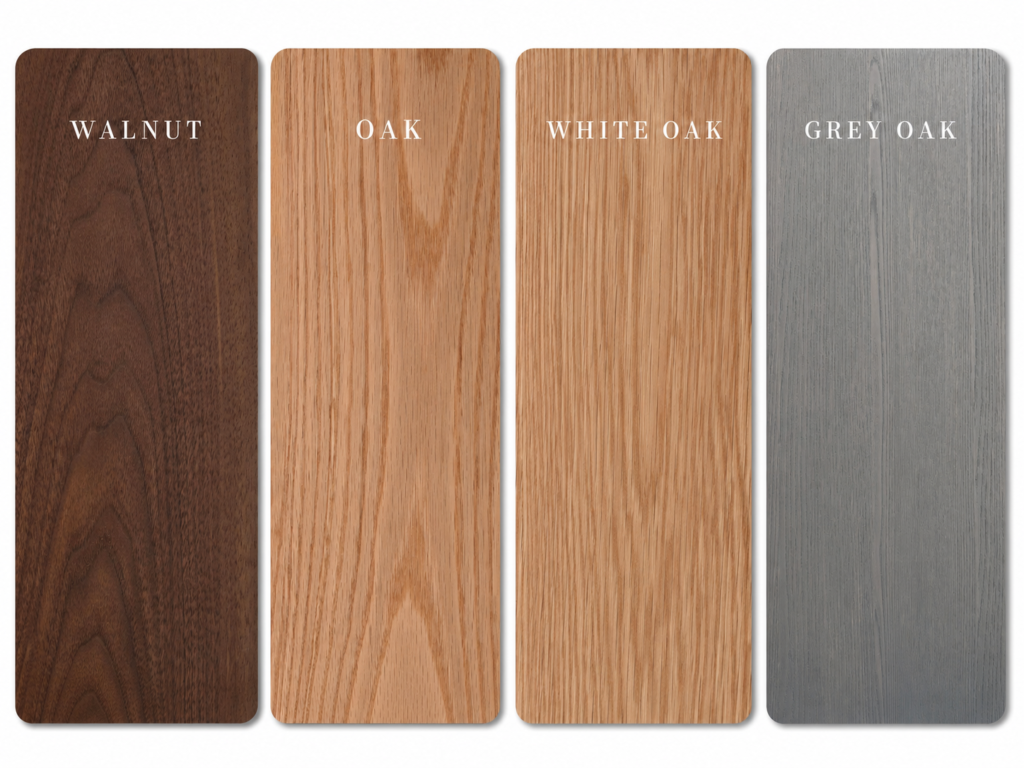
What Is a Woodwork Wardrobe?

woodwork wardrobe wood grain finishes

The Art of Woodwork Wardrobes

Defining the structural foundation of premium interior storage.

Material

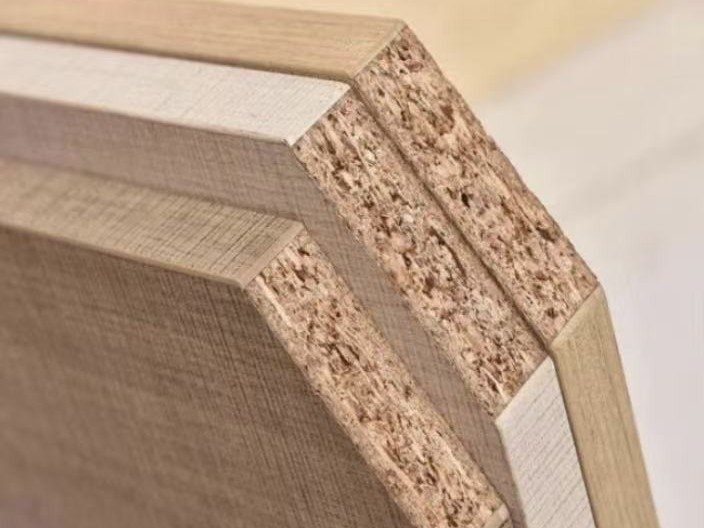
Built from high-grade wood substrates (solid wood, plywood, MDF) with decorative surfaces that define character.

Craft

Precision in joinery, edge banding, and hardware integration distinguishes hand-crafted quality from mass production.

Design

Grain direction and panel proportions are integrated into the room's total spatial language, not added as an afterthought.

Why Woodwork Wardrobes Lead High-End Projects

Unlike mirrored or high-gloss lacquer finishes that deteriorate over time, genuine woodwork wardrobes age gracefully, maintaining their aesthetic value over hotel asset cycles. The natural texture enhances property photography, boosting both review scores and real estate value, while aligning with the global shift toward biophilic design and Japandi aesthetics.

Woodwork Wardrobe Materials: What Is the Cabinet Actually Made From?

Understanding the material composition of a woodwork wardrobe is essential for making the right purchasing decision, particularly for projects in climates with high humidity, wide temperature variation, or frequent use patterns.
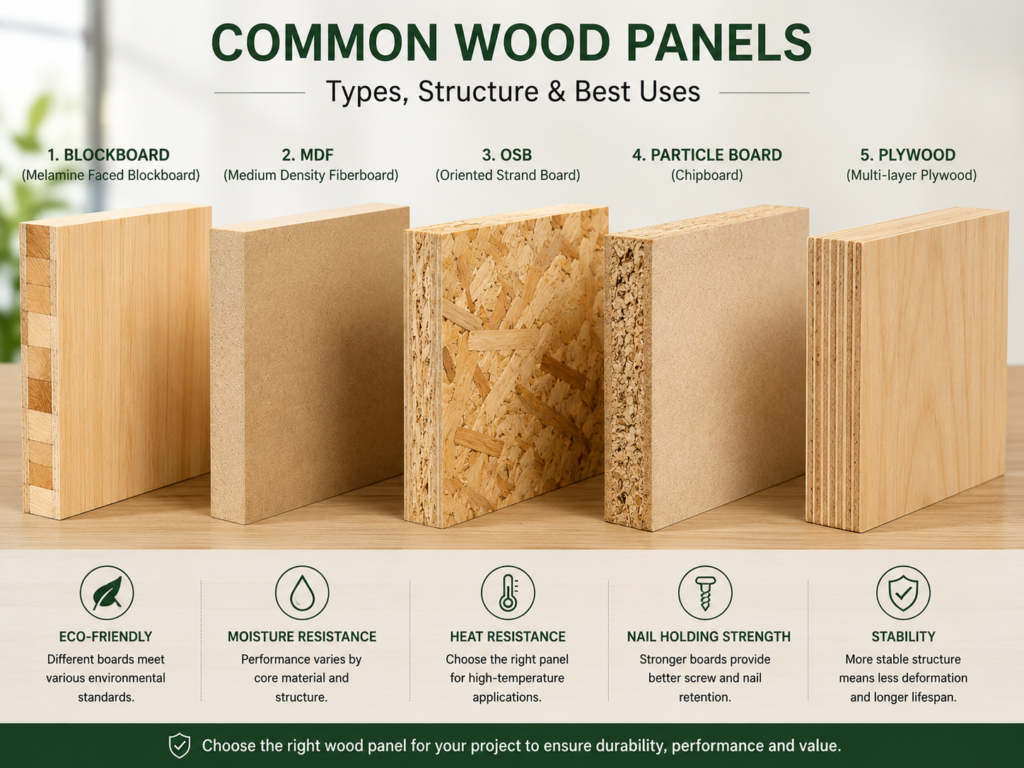
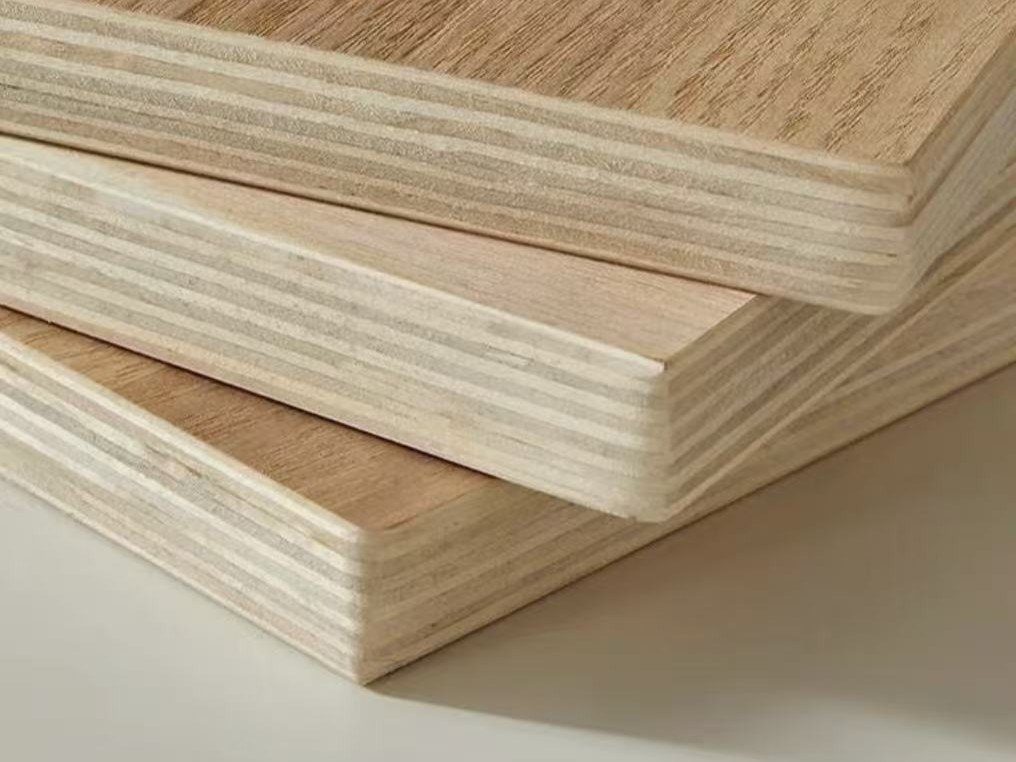
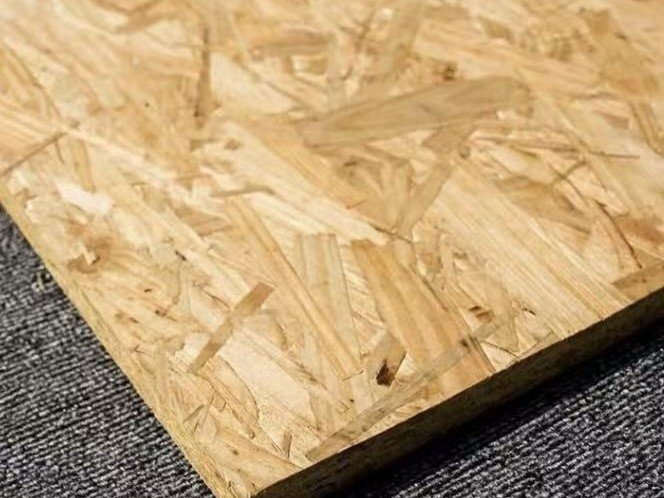
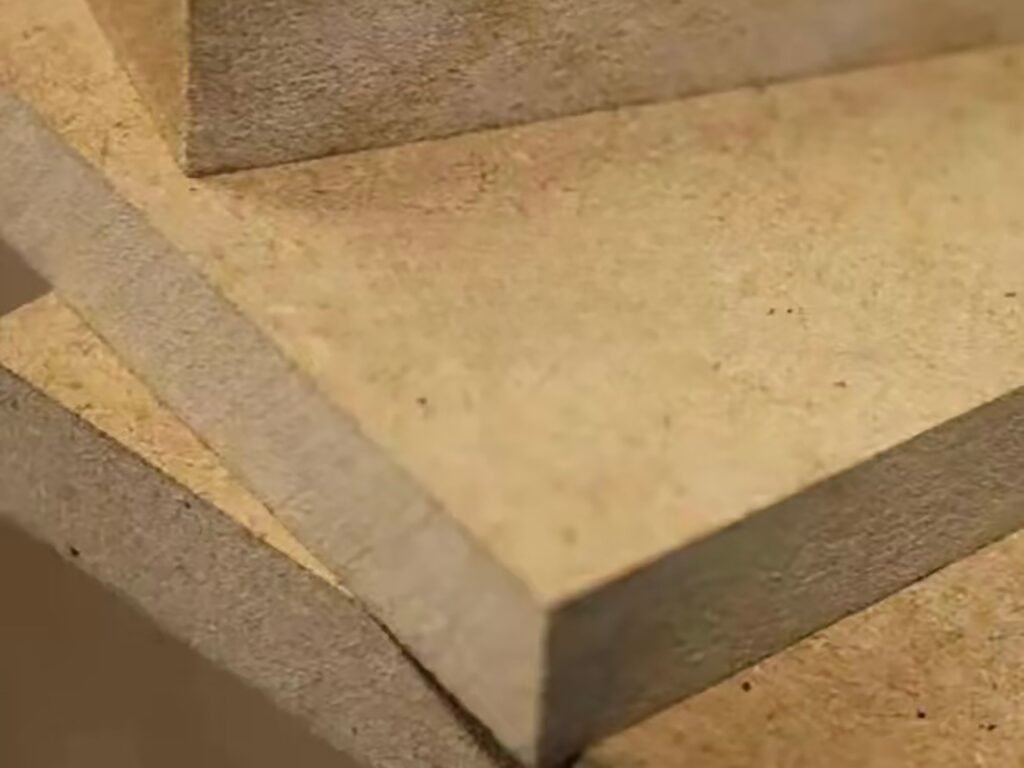
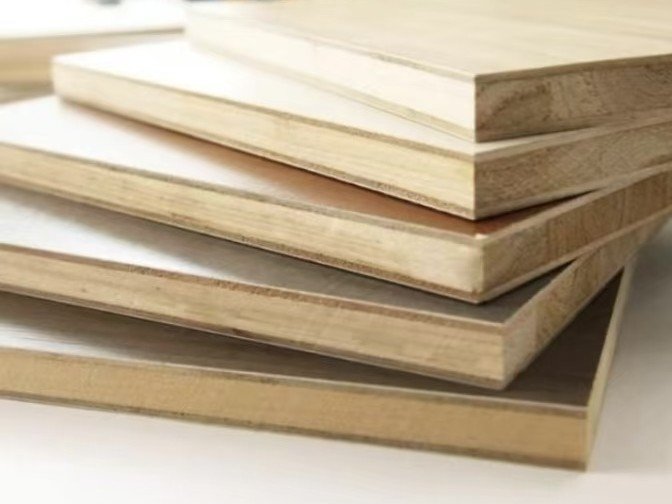
Comparison chart of common wood panels
Material Moisture Res. Stability Best Application
Solid WoodPoorPoorBespoke Villas
PlywoodModerateExcellentBoutique Hotels
MDF + VeneerPoorModerateFitted Residential
MDF + PVCModerateModerateServiced Apts

learn more

Why Large Projects Choose Engineered Board

While solid wood is the traditional ideal, it is rarely the optimal specification for hotel or villa projects at scale. Two primary factors drive this shift: dimensional instability and batch inconsistency.

"Solid wood expands and contracts with environmental changes, requiring ongoing maintenance that is incompatible with hotel operations or investment properties."

In climates like Malaysia, Indonesia, or coastal UAE, solid wood doors often bind during wet seasons. Furthermore, achieving visual consistency across large batches—such as furnishing 80 hotel rooms—is extremely difficult and costly with natural timber.

The Engineered Solution

High-grade plywood or MDF substrates provide the dimensional stability and predictable quality that large-scale projects demand.

Modern surface treatments, such as thermal transfer wood grain, real wood veneer, or UV-coated film, allow these boards to replicate the depth, knot variation, and color graduation of real timber. To the average hotel guest, a premium engineered wardrobe is visually indistinguishable from solid timber.

Walnut

Warm deep brown. Ideal for modern luxury projects in the Middle East.

White Oak

Pale warm beige. Perfect for Japandi and Scandinavian aesthetics.

Grey Oak

Cool medium grey. Suits industrial and modern minimalist designs.

Natural Oak

Neutral warm tan. A staple for contemporary rural and natural styles.

Surface Treatment Options

Volume Production

Thermal Transfer Wood Grain

Utilizes heat and pressure to apply high-resolution patterns. Quality is determined by the number of layers; premium versions replicate grain depth and knot variation with remarkable accuracy.

Premium Authentic

Real Wood Veneer

A thin slice of actual timber applied to the board face. This is the top-tier option for boutique projects requiring genuine natural variation and tactile authenticity.

High-Traffic Durable

UV High-Gloss Coating

A hardened, reflective surface offering superior scratch resistance and ease of cleaning. Ideal for high-traffic environments where durability is the primary specification.

Minimalist Aesthetic

Matte Paint Finish

Focuses on color and texture rather than naturalism. Widely used in Japandi and Scandi-influenced designs to achieve contemporary, clean-lined warmth.

Woodwork Wardrobe Design Styles

Contemporary Standard

Modern Minimalist

Defined by handleless, flat-panel faces and precise lines. Grain direction (vertical for height, horizontal for width) is used to manipulate spatial perception. Ideal for both boutique hotels and ultra-premium residences.

High-End Suite

Modern Luxury

Layers walnut bases with metallic profiles, smoked glass, and bronze hardware. The tension between warm wood and cool metal creates visual energy. Common in five-star hotel suites and master bedrooms.

Natural Aesthetic

Scandinavian & Japandi

Pale wood tones (White Oak, Ash, Birch) emphasize material honesty. Hardware is either concealed or minimal. This style is increasingly popular in Australian residential and boutique projects across Asia.

Cultural Heritage

Modern Chinese

Features deep walnut tones, symmetrical geometry, and intricate lattice (grille) panels. The proportioning of solid-to-open space is the critical measure of success for this design-intensive style.

Traditional Luxury

Classical & American Traditional

Characterized by raised panels and deep moulding profiles. Quality is determined by the depth and precision of panel relief. Remains a staple for traditional hospitality and villa projects.


Woodwork Wardrobe Layout Options

Built-in and Fitted Wardrobes

Fitted wardrobes leverage the room's architecture to maximize storage volume and create a flush, seamless look. A standard depth of 580–620mm is essential for proper garment hanging.

Hotel Standard

900–1200mm wide configurations incorporating safes, luggage storage, and concealed ironing facilities.

Design Integration

Recessed installations ensure the wardrobe face remains flush with the surrounding wall, eliminating visual gaps.

Walk-in Wardrobes

The premium tier of storage. Proper layout is critical for usability and traffic flow.

LayoutMin. Floor AreaCapacity
Linear1.2m × 1.5mModerate
L-shape2.4m × 1.8mHigh
U-shape2.4m × 1.8mMaximum
Lighting Spec: For optimal color evaluation, specify 300–500 lux with a Color Rendering Index (Ra) of 90+ to eliminate shadow and color distortion.

Door Systems

Sliding Systems

Saves floor space. Prefer top-hung systems for bedroom applications to avoid floor tracks. Ensure noise levels are rated below 45dB for hotel suites.

Hinged Systems

Offers maximum interior access. Soft-close hinges (slowing in the final 15–20°) are non-negotiable indicators of a quality specification.


Interior Configuration: What Goes Inside a Woodwork Wardrobe

Standard Interior Zone Reference

ZoneMin. HeightFunction
Long Hanging1400mmCoats, formal wear
Short Hanging800–1000mmShirts, jackets
Drawer Stack100–150mm/eaAccessories, undergarments
Shoe Rack150–200mm/lvlFootwear storage

Hotel Configuration by Star Rating

RatingWidthCore Requirements
3-Star900mmBasic hanging & shelving
4-Star1000–1200mmSafe, ironing board, luggage
5-Star1200mm+Light sensor, mirror, full-suite

Villa Master Suite Zones

Professional villa configurations emphasize distinct user zones to optimize storage efficiency.

Female Zone

Emphasizes long hanging space, integrated jewellery trays, dedicated bag shelves, and full-length mirrors.

Male Zone

Prioritizes wider rail spacing for suits, tie/belt pull-outs, and optimized shirt-folding height.


WPC Door Frames: Why Frame Material Matters as Much as the Door

The Case for WPC Door Frames

Pairing a WPC door slab with a timber or MDF frame is a common procurement error. WPC door frames ensure the entire system maintains consistent dimensional stability and moisture resistance, preventing the common "binding and swelling" failures associated with hybrid installations.

Frame Material Comparison

Material Moisture Res. Dim. Stability Best Application
WPCExcellentVery goodAll interior (wet & dry)
Solid WoodPoorPoorDry premium rooms
AluminumExcellentExcellentCommercial spaces
MDFPoorModerateBudget dry areas

Installation Specification

1. Opening Allowance

Ensure the rough opening is 20–30mm larger than the external frame dimensions for leveling and expansion tolerance.

2. Waterproof Sealing

Use neutral silicone sealant at the frame-to-floor junction; avoid acid-cure silicone to prevent substrate reactions.

3. Perimeter Filling

Utilize expanding foam for frame-to-wall voids, finished with silicone rather than cement-based fillers to accommodate building settlement.

Woodwork Wardrobe Sizing: Standard and Custom Dimensions

Reference Dimensions

SpecificationStandard RangeCustom Range
Overall Height2000–2200mm2400–3000mm
Overall Depth550–620mm450–700mm
Single Door Width450–600mm300–900mm
Shelf Spacing300–400mmAdjustable
Drawer Height100–200mmAdjustable

Market Height Norms

MarketWardrobe HeightCeiling Height
MY / SG2400mm2700–3000mm
UAE / Saudi2400–2700mm3000mm+
Australia2100–2400mm2700mm
Europe2000–2200mm2500mm

Required Documentation for Custom Orders

  • Room Net Dimensions: Include location of beams, columns, doors, and windows affecting the footprint.
  • Clear Vertical Height: Specific measurements at the installation site (accounting for local drops).
  • Floor Finish: Material type and thickness impact on bottom clearance requirements.
  • Clearance Specs: Door swing direction and available operational space.
  • Design Intent: Style references and drawings supporting the dimensional requirements.

Hardware Selection for Woodwork Wardrobes
Essential Hardware Systems

Hinge Systems

Quality signal: Smooth operation and silent closing. Specification standard: European brands (Hettich, Blum, Grass). Key metrics include 50,000+ cycles and tool-free 3D adjustment.

Sliding Rail Systems

Top-hung systems are preferred for hotel rooms to ensure a clear floor track. Essential: <45 dB noise rating and 100,000+ cycle capacity.

Door Opening Mechanisms

MechanismAesthetic Context
Visible HandleModern Luxury / Classical
Aluminium ProfileScandinavian / Minimalist
Push-to-OpenPure Minimalist

Functional Interior Accessories

Distinguish storage utility by configuring zones based on user application:

  • Residential: Pull-out trouser racks, tie/belt organizers, velvet-lined jewellery trays, and motion-sensor LED lighting.
  • Hotel: Mid-height recessed safe, dedicated ironing board compartment, fixed luggage racks (suitcase height), and 8–12+ high-quality clothes hangers.

Hardware Selection for Woodwork Wardrobes

01
Material Quality Documentation
  • Formaldehyde Emission: E0 or E1 certification from an accredited lab (Non-negotiable).
  • Abrasion Resistance: AC3 class or higher required for high-traffic hotel environments.
  • Edge Banding: Min 1mm PVC thickness; laser bonding mandatory to eliminate visible glue lines.
02
Structured Sample Process
  • Stage 1: Physical color sample (100mm x 100mm) approval in writing.
  • Stage 2: Single-unit production sample to confirm hardware and interior fit.
  • Stage 3: Delta E ≤ 1.5 color consistency agreement for mass production.
  • Stage 4: 100% pre-shipment visual inspection with documented photos.

Buying Woodwork Wardrobes for Cross-Border Projects

01
Material Quality Documentation
  • Formaldehyde Emission: Accredited third-party laboratory test certificate confirming E0 or E1 classification. E0 is recommended for bedrooms in hotel/villa projects; this is non-negotiable in markets like MY, AU, EU, and GCC.
  • Abrasion Resistance: Surface abrasion resistance certificate (AC3 class or above recommended for hotel-grade surfaces).
  • Edge Banding: Minimum 1mm thickness PVC, applied via hot-melt adhesive. Laser bonding is preferred for an invisible glue line and superior moisture resistance.
02
Sample and Batch Control Process
  • Stage One (Colour): Request 100mm × 100mm physical samples of every specified wood grain/finish. Written approval required prior to production.
  • Stage Two (Production Sample): Request one complete wardrobe unit (mock-up) to verify dimensions, hardware, interior fit, and packaging standards.
  • Stage Three (Colour Tolerance): Confirm supplier agreement to Delta E ≤ 1.5. Values exceeding this result in visible variation between adjacent units.
  • Stage Four (Pre-shipment Inspection): 100% visual inspection of finished units + functional testing (hinges, drawers, sliders) on a 10% sample basis before container loading.
03
Logistics and Installation Considerations
Packing & Protection: Panels must be flat-packed with protective foam/cardboard between surfaces. Each package must include a numbered parts list and a visual installation guide. For inexperienced local teams, verify the availability of video guides or technical representatives.

Moisture Control: Silica gel desiccant packs are mandatory in each package and throughout the container, particularly for equatorial shipping routes.
04
Supplier Evaluation Criteria
  • Manufacturing Status: Verify direct factory ownership via registration documents and/or video tours/3rd-party audits.
  • Project References: Request verifiable proof (photos, names, contacts) of previous hotel/villa projects of comparable scale.
  • Batch Capability: Confirm capacity to handle your specific batch size (e.g., 200+ unit runs) to avoid mid-production delays.
  • After-Sales Support: Request a written policy detailing lead times for replacement parts, shipping responsibility for defects, and claim documentation requirements.

FAQS

What is the difference between a woodwork wardrobe and a standard flat-pack wardrobe?

A woodwork wardrobe is a custom-configured, factory-built product with a wood or wood-grain finish, quality hardware, and interior configuration designed for the specific room and user. A flat-pack wardrobe is a standardized product assembled by the end user from pre-cut parts. The differences in material quality, finish depth, hardware specification, and structural rigidity are significant — and immediately apparent in daily use.

Through a structured process: approved physical colour samples, same-batch production for all units in a single hotel project, a confirmed Delta E ≤ 1.5 colour tolerance agreement, and a pre-shipment inspection that includes visual comparison of units across the production run. Projects that skip these steps consistently experience visible colour variation between rooms.

Engineered board wardrobes — plywood or MDF substrate with quality wood-grain surface treatment — are suitable for tropical climates when specified and manufactured correctly. Key requirements: moisture-resistant substrate grade (use plywood rather than particleboard in high-humidity environments), full edge banding with no exposed substrate at panel edges, and back panels that are moisture-sealed. Solid wood wardrobes are not recommended for tropical climates without active humidity control.

A functional U-shape walk-in wardrobe requires a minimum net floor area of 2400mm wide by 1800mm deep, which allows approximately 550mm storage depth on three sides and a 900mm central aisle. An L-shape layout requires approximately 1200mm along each wall. A linear single-wall layout functions in a space as narrow as 1200mm wide with 1500mm of clear depth.

Lead times depend on project scale, specification complexity, and supplier production capacity. For a standard hotel project of 80 to 120 rooms, production lead times from approved sample to goods ready for shipment are typically 35 to 50 days. Larger projects or those with complex specifications require longer production windows. Shipping time to Southeast Asia or the Middle East from southern China adds approximately 7 to 14 days by sea.

Lead times depend on project scale, specification complexity, and supplier production capacity. For a standard hotel project of 80 to 120 rooms, production lead times from approved sample to goods ready for shipment are typically 35 to 50 days. Larger projects or those with complex specifications require longer production windows. Shipping time to Southeast Asia or the Middle East from southern China adds approximately 7 to 14 days by sea.

Conclusion:

Explore our Wardrobe and Walk-in Closet collection to see woodwork wardrobe options for villa and hotel projects, or contact our team for a custom specification and project quote.
Related reading:
Hotel Fit-out Projects: Wardrobe and FF&E Case Studies
Villa Fit-out Projects: Full-House Interior Solutions

Related Blog

Top window and door brands comparison chart

Window Brands: How to Actually Evaluate One, Not Just Rank Them

In the pursuit of personalized spaces and premium living, mass-produced furniture often falls short of capturing the true essence of a home. As modern minimalism and light luxury styles continue to dominate global design trends, high-end custom furniture has become the absolute core of creating an ideal living space.However, the custom furniture market can be

Read More »
Scroll to Top