
Common Glass Types for Wardrobe & Cabinet Doors

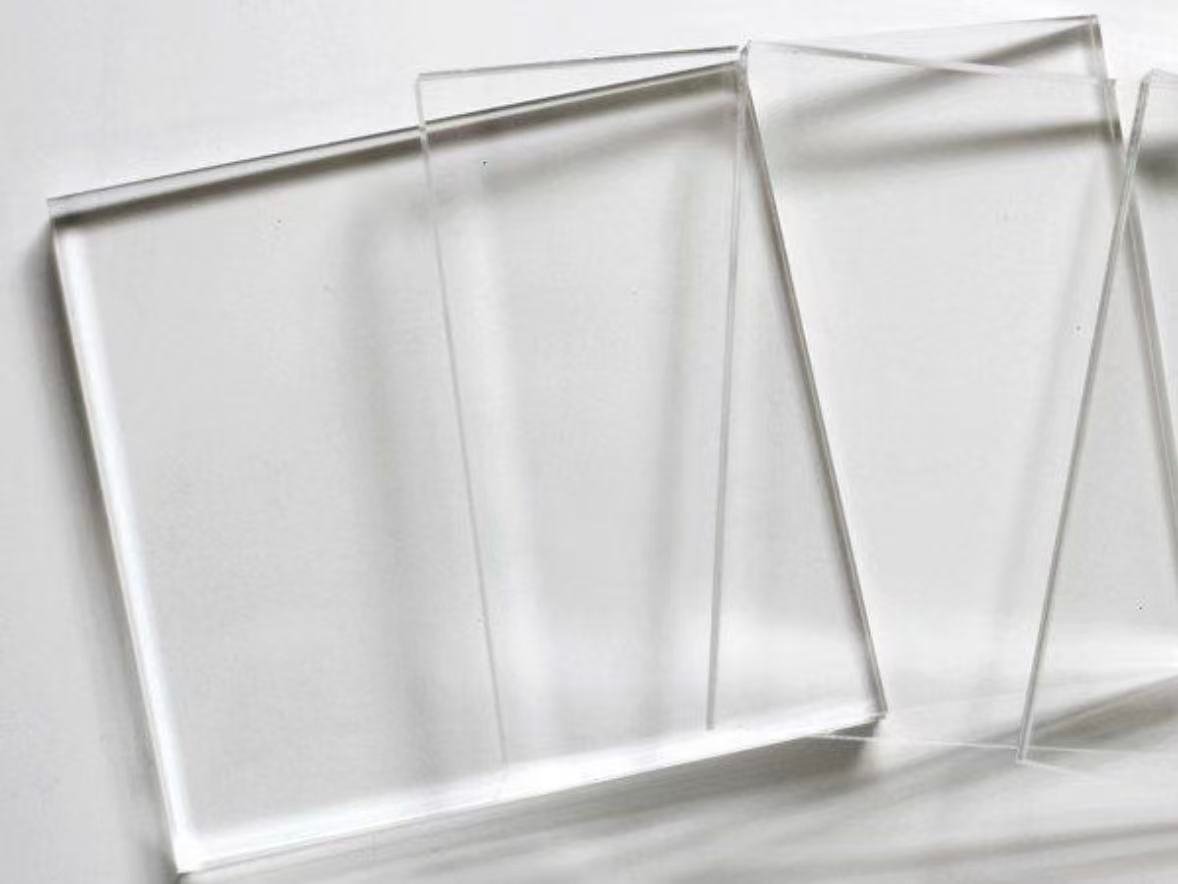
Clear glass panels for wardrobe cabinet doors
01 · Glass Type

Clear Glass — Maximum Visibility

Clear glass provides the highest level of transparency and is suitable when the wardrobe or cabinet interior is intended to remain visible. It works especially well with organized display storage and integrated lighting.

Advantages
  • Maximum visibility
  • Makes wardrobes feel lighter and more open
  • Works well with internal LED lighting
  • Easy to combine with black, champagne or bronze aluminum frames
  • Suitable for both wardrobe and cabinet doors
Limitations
  • Clothing and storage must remain visually organized
  • Fingerprints and dust are more visible
  • Provides almost no privacy
Best For Walk-In Wardrobes · Display Cabinets · Modern Kitchens · Luxury Dressing Rooms
Manufacturer Note: For larger clear-glass wardrobe doors, door size, frame rigidity and hardware capacity should be checked together before production.
02 · Glass Type

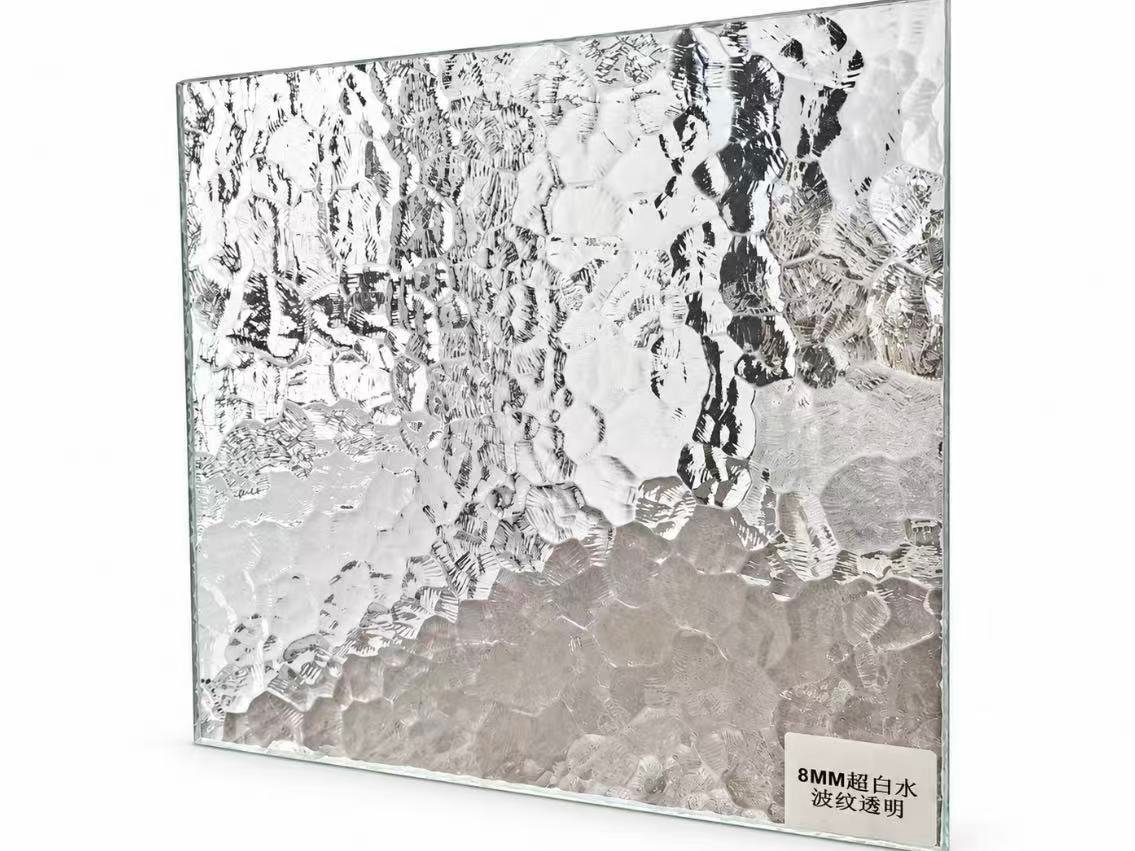
Fluted Glass — Texture With Partial Privacy

Fluted or reeded glass uses a patterned surface to distort the view through the panel while still allowing light to pass through. Privacy varies depending on the depth and spacing of the texture.

Advantages
  • More privacy than clear glass
  • Still allows light transmission
  • Strong decorative character
  • Vertical lines can visually increase perceived height
  • Works well with modern aluminum frames
Limitations
  • Interior items remain partly visible
  • Strong patterns may compete with other interior finishes
  • Pattern direction must stay consistent across multiple doors
Best For Bedroom Wardrobes · Decorative Cabinets · Villa Interiors · Interior Doors
Manufacturer Note: In multi-door wardrobes, the direction and spacing of the fluted pattern should be coordinated across adjacent panels to avoid visible inconsistency.
Fluted glass panel for decorative wardrobe doors
Frosted glass panels for private storage doors
03 · Glass Type

Frosted Glass — Higher Privacy

Frosted glass reduces direct visibility by diffusing light across a matte surface. It is useful where privacy is more important than displaying the wardrobe interior.

Advantages
  • High privacy
  • Soft, diffused light
  • Reduces visual clutter
  • Neutral appearance
  • Suitable for bedrooms and storage areas
Limitations
  • Less suitable for display-focused wardrobes
  • Rough surfaces may show oils or cleaning marks more easily
  • Surface quality varies by sandblasted, etched or coated finish
Best For Bedrooms · Apartment Wardrobes · Private Storage · Cabinet Doors
04 · Glass Type

Satin / Acid-Etched Glass — A More Refined Matte Finish

Satin acid-etched glass offers a finer, more uniform and silky matte appearance than many conventional frosted finishes. It combines privacy with softer light diffusion and a more refined visual effect.

Advantages
  • Finer matte texture
  • More uniform surface appearance
  • High privacy
  • More refined premium feel
  • Fingerprints may be less noticeable on suitable finishes
  • Soft light diffusion
Limitations
  • Usually costs more than basic frosted finishes
  • Tempering and drilling compatibility should be confirmed
  • Color appearance can change with lighting and substrate
Best For Premium Wardrobes · Villa Dressing Rooms · Decorative Cabinets · Interior Doors
Selection Note: Satin or acid-etched glass should be treated as a refined matte option, not simply as a different name for standard frosted glass. Surface feel, privacy and processing compatibility should be confirmed before production.
Acid etched glass panels for wardrobe doors
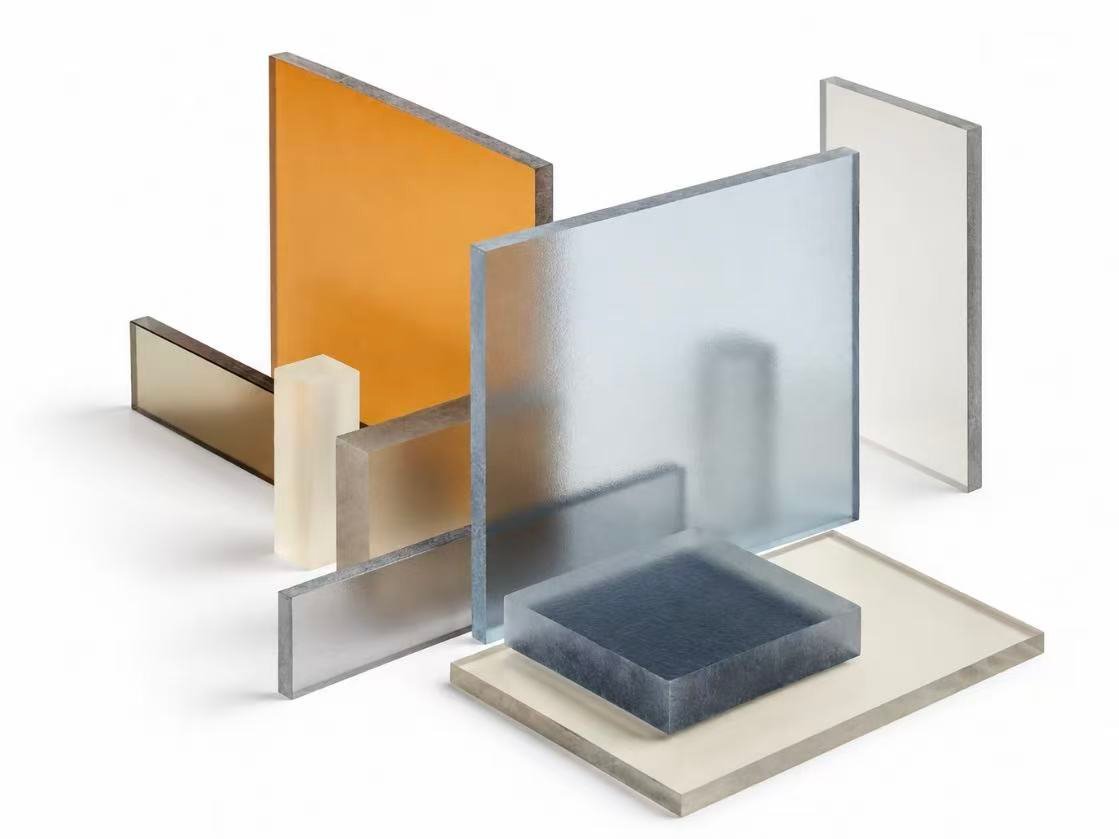
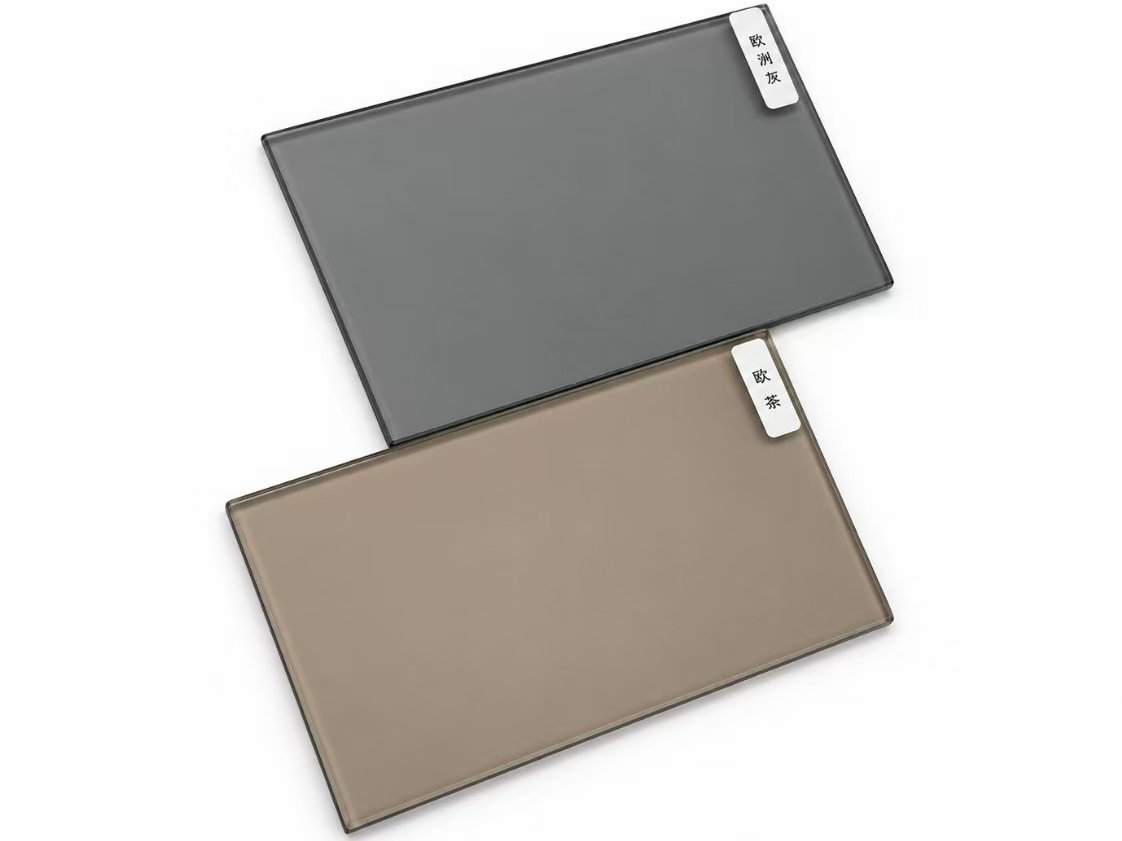
Smoked glass panels for premium wardrobe doors
05 · Glass Type

Smoked & Tinted Glass — Premium Transparency

Smoked or tinted glass retains partial transparency while reducing brightness and direct visibility. Grey, bronze and darker tones are commonly used to create a more refined wardrobe display effect.

Advantages
  • More premium visual effect than clear glass
  • Reduces direct visibility
  • Works especially well with warm internal lighting
  • Coordinates well with dark aluminum frames
  • Suitable for luxury wardrobe display
Limitations
  • Interior lighting has a major effect on appearance
  • Dark glass can make poorly lit wardrobes feel heavier
  • Tint consistency is important across multiple panels
Best For Walk-In Closets · Villa Wardrobes · Master Bedrooms · Premium Display Storage
Manufacturer Note: For repeated doors, glass tint should be controlled within the same approved sample and production batch where possible.
06 · Glass Type

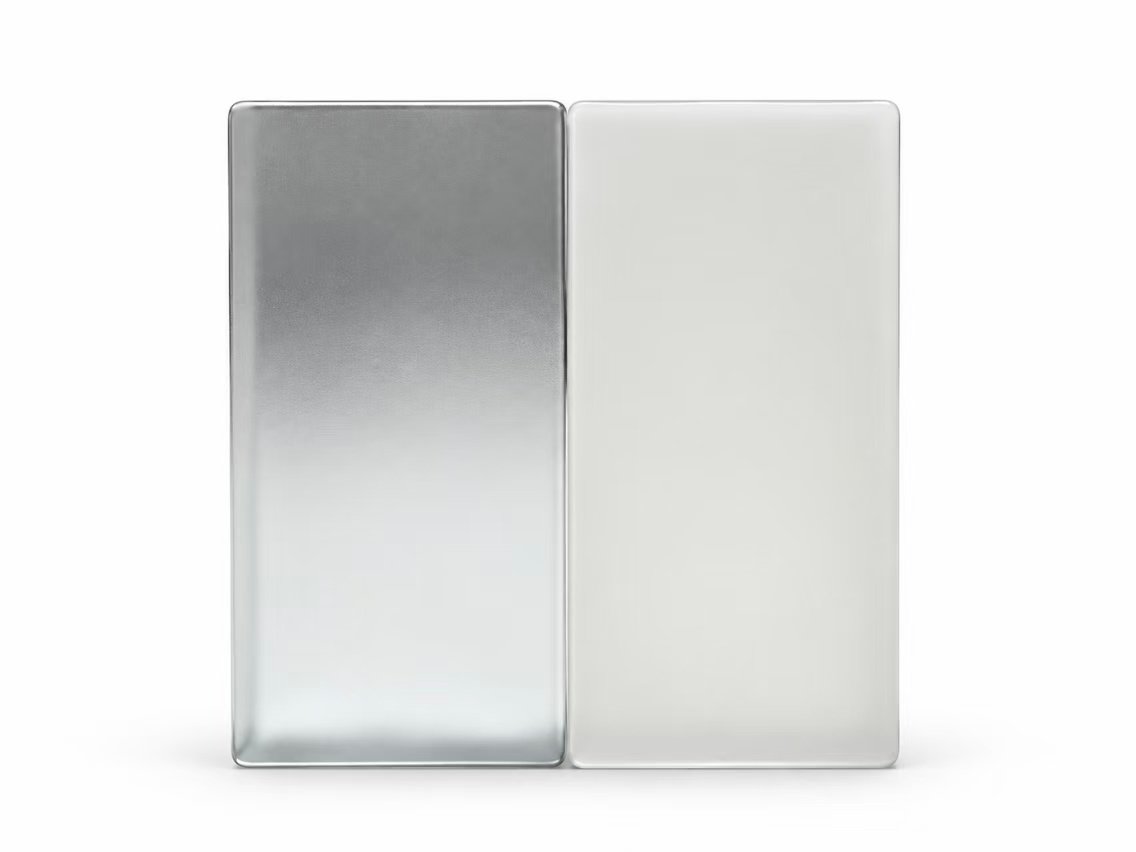
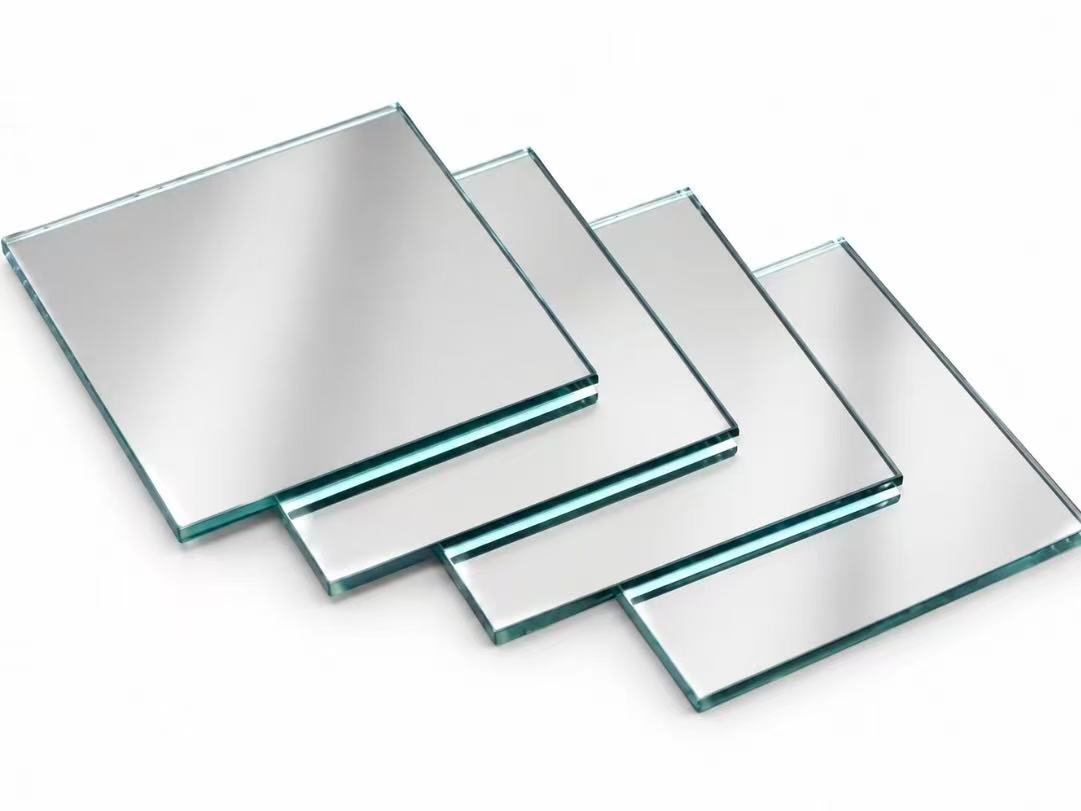
Mirror Glass — Storage + Dressing Function

Mirror glass allows the wardrobe door to function as both a storage enclosure and a full-height dressing mirror, making it particularly useful in bedrooms and compact dressing areas.

Advantages
  • Full visual privacy
  • Adds a practical dressing function
  • Makes bedrooms appear larger
  • Reduces the need for a separate wall mirror
Limitations
  • Fingerprints are more visible
  • Large mirror panels require stable support
  • Safety backing and installation method should be considered
Best For Bedroom Wardrobes · Dressing Rooms · Apartment Bedrooms
Manufacturer Note: For wardrobe applications, mirror size, panel support, safety backing, installation method and the applicable product system should be reviewed together before production.
Mirror glass panels for bedroom wardrobe doors
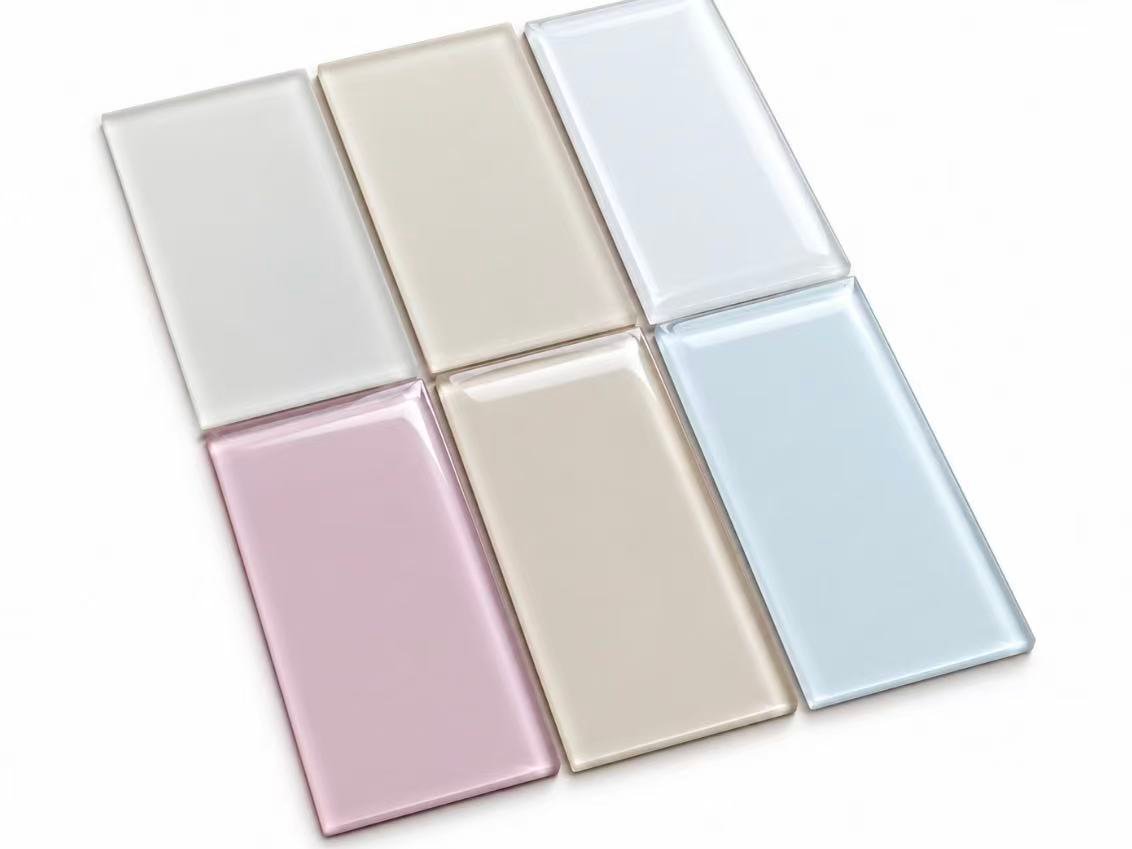
Lacquered glass panels for cabinet door fronts
07 · Glass Type

Back-Painted Glass — Opaque Color & Decorative Finish

Back-painted or lacquered glass creates a completely opaque surface with a clean, glossy color finish. Unlike clear or tinted glass, it is used as a decorative door front rather than a see-through display panel.

Advantages
  • Full privacy
  • Wide decorative color possibilities
  • Smooth glossy finish
  • Easy to coordinate with cabinetry finishes
  • Creates a solid architectural appearance
Limitations
  • No display visibility
  • Rear coating needs proper protection
  • Color consistency should be approved by sample
Best For Kitchen Cabinets · Decorative Wardrobe Panels · Furniture Fronts · Commercial Interiors

Visual Glass Type ≠ Safety Glass Type

Clear, fluted, frosted, satin, tinted and other decorative glass terms mainly describe appearance, transparency and privacy. Tempered or laminated glass describes safety processing. Depending on the product, panel size, door structure and processing route, decorative glass may also need to be tempered or laminated before use in wardrobes, cabinets, doors or other project applications.

Choose by purpose: Clear for display · Fluted for texture · Frosted or satin for privacy · Smoked for a premium display effect · Mirror for bedroom function · Back-painted glass for opaque decorative fronts.

What Glass Should Be Used for Wardrobe Doors?

For wardrobe doors, tempered safety glass is commonly used because it offers greater resistance to impact and safer breakage behavior than ordinary glass. The final specification should also consider door size, frame structure, hardware capacity and opening system.

01

Safety

Tempered or toughened glass is commonly considered for wardrobe doors where impact resistance and safer breakage behavior are important.

02

Thickness

Glass thickness should be selected according to panel size, frame structure, door design and hardware load capacity rather than using one fixed value for every application.

03

Frame

Aluminum-framed and frameless glass doors have different structural requirements. Frame rigidity, edge protection and panel dimensions should be coordinated before production.

04

Hardware

Sliding tracks, hinges and other hardware should be matched to door weight, panel size and opening frequency for stable daily use.

Manufacturer Note: Glass type alone does not determine whether a wardrobe door system is suitable. Safety processing, thickness, frame structure and hardware capacity should be reviewed together before final specification.

How to Choose Glass by Privacy, Style & Application

What You Need Better Direction
Maximum display visibility
Clear Glass
Partial privacy with texture
Fluted Glass
High privacy with soft light
Frosted Glass
Refined matte privacy
Satin / Acid-Etched
Premium darker display effect
Smoked / Tinted
Mirror + wardrobe function
Mirror Glass
Solid decorative color
Back-Painted Glass
Safety processing requirement
Tempered / Laminated

Choosing Glass by Application

01 · Wardrobes

Glass for Wardrobe Doors

Wardrobe glass needs to balance panel size, privacy, display effect, integrated lighting and the opening system. Sliding and hinged doors also place different requirements on frames and hardware.

Selection Focus: Large panels · Privacy · Aluminum frames · Lighting · Sliding / Hinged · Walk-in wardrobes
Recommended: Clear · Fluted · Smoked · Mirror
Explore Glass Wardrobe Systems →
02 · Kitchen Cabinets

Glass for Cabinet Doors

Kitchen cabinet glass is usually used on smaller door panels where display, decorative texture, cleaning and coordination with cabinet finishes are more important than large-panel privacy.

Selection Focus: Display storage · Decorative texture · Cleaning · Smaller panels · Kitchen finish coordination
Recommended: Clear · Fluted · Frosted · Seeded · Back-Painted
Explore Custom Kitchen Cabinets →
03 · Interior Doors

Glass for Interior Doors

Interior glass doors need to balance transparency, privacy, safety and opening-system requirements. Door size and structure become especially important for sliding, swing and pivot systems.

Selection Focus: Privacy · Safety · Door size · Frame system · Sliding / Swing / Pivot
Recommended: Clear Tempered · Frosted · Fluted · Tinted
Explore Interior Door Systems →
04 · Windows

Glass for Window Systems

Window glass is selected less for decorative privacy and more for safety, thermal performance, solar control, acoustics and local climate requirements.

Selection Focus: Safety · Thermal performance · Solar control · Acoustic performance · Climate
Common Systems: Tempered · Laminated · Insulated Glass · Low-E
Explore Window Systems →

Glass Doors: Sliding, Hinged or Framed?

01

Sliding Glass Doors

Sliding glass wardrobe doors save opening space and work well where circulation between the bed and wardrobe is limited.

Best For Apartments · Compact Bedrooms · Built-In Wardrobes
What to Check Track Quality · Panel Size · Alignment · Door Weight
02

Hinged Glass Doors

Hinged glass doors provide full access to the wardrobe interior and allow more flexibility in handles, frames and door finishes.

Best For Built-In Wardrobes · Villa Bedrooms · Dressing Rooms
What to Check Hinge Load · Door Weight · Opening Clearance · Frame Stability
03

Aluminum-Framed Glass Doors

Aluminum frames provide structural support for larger glass panels and create a clean, modern wardrobe appearance.

Best For Large Glass Panels · Walk-In Wardrobes · Modern Villas
What to Check Frame Profile · Glass Thickness · Hardware Compatibility · Panel Size
Explore Hardware Systems →

Frequently Asked Questions

What glass is used for wardrobe doors?

Clear, fluted, frosted, satin, smoked, mirror and other decorative glass types can be used for wardrobe doors depending on the desired visibility, privacy and design effect. Tempered safety glass is commonly considered where impact resistance and safer breakage behavior are important.

Is tempered glass safe for wardrobe doors?

Tempered or toughened glass is commonly used for wardrobe applications because it provides greater impact resistance and safer breakage behavior than ordinary annealed glass. The complete door system should still be checked for panel size, frame structure, edge protection and hardware capacity.

What is the best glass for privacy?

Frosted and satin or acid-etched glass provide higher privacy while still allowing diffused light through the panel. Fluted glass offers partial privacy, while smoked glass reduces direct visibility but keeps more of the wardrobe interior visible.

Is fluted glass good for wardrobes?

Yes. Fluted or reeded glass works well for wardrobes when partial privacy, texture and light transmission are required. For multi-door wardrobes, the direction and spacing of the pattern should be coordinated across adjacent panels.

What is the difference between frosted and smoked glass?

Frosted glass uses a matte surface to diffuse light and reduce visibility, making it better for privacy. Smoked or tinted glass remains partially transparent but darkens the view, creating a more premium display effect while still showing some of the wardrobe interior.

What glass is best for kitchen cabinet doors?

The best choice depends on whether the cabinet is intended for display, privacy or decoration. Clear glass works well for visible display storage, fluted or frosted glass adds texture and privacy, while back-painted glass creates an opaque decorative cabinet front.

Can glass wardrobe doors be sliding or hinged?

Yes. Glass wardrobe doors can use sliding or hinged systems. Sliding doors are useful where opening clearance is limited, while hinged doors provide full access to the wardrobe interior. Door weight, glass size, frame structure, tracks or hinges should be matched as one system.

What thickness of glass should be used for wardrobe doors?

There is no single thickness suitable for every wardrobe door. The specification depends on panel size, glass type, sliding or hinged system, frame structure, hardware capacity and the requirements of the complete door system. These factors should be confirmed before production.

Let’s Discuss, Your Project.

Tell us about your project requirements and we’ll connect you with the right team. We typically respond within 24 hours on business days.

Call / WhatsApp
Offices
Located on Central Avenue, Nanhai District, Foshan City, Guangdong Province

Start a Conversation

Fill in your details and we’ll be in touch shortly.


Scroll to Top