
How We Select Furniture Hardware

Hardware selection starts with the actual cabinet application and structure, rather than choosing a hinge or drawer slide as an isolated product.

Client selecting furniture hardware for custom cabinets
01

Project Application

Confirm whether the hardware is for a kitchen, wardrobe, vanity, storage cabinet or display system.

02

Cabinet Structure

Door, drawer and panel construction determine whether hinges, slides, connectors or another system is required.

03

Size & Installation

Door and drawer dimensions, installation space and cabinet structure are checked before the hardware is confirmed.

04

Hardware Selection

Hinges, drawer slides or hardware systems are selected according to the confirmed structure and required function.
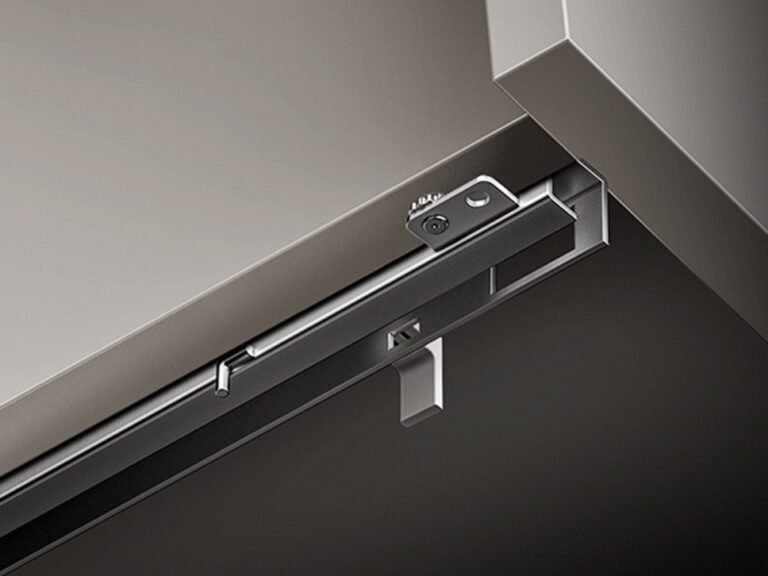
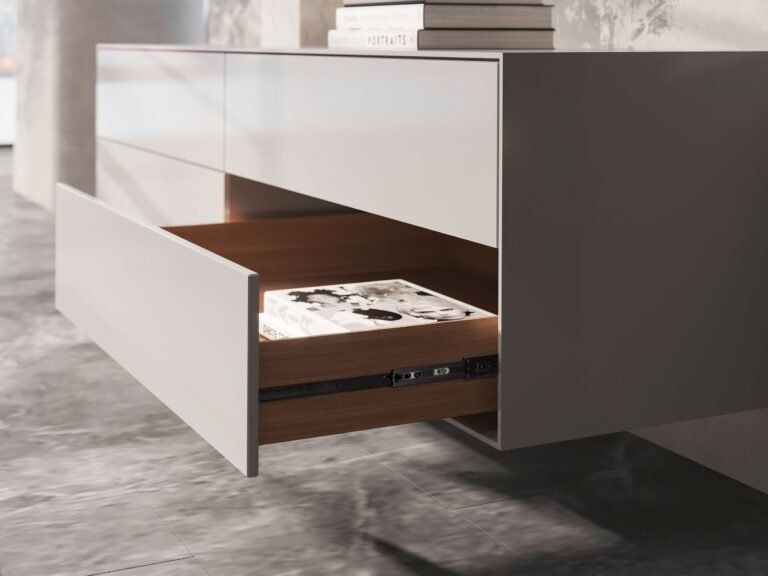
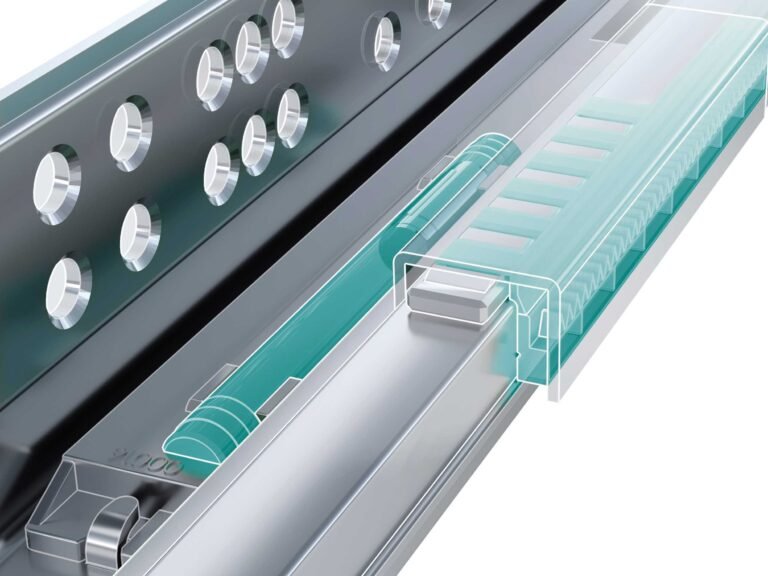
Concealed Undermount Drawer Slides
  • Best For
    Premium kitchens · wardrobes · vanities
  • Choose When
    You want hidden hardware, soft-close operation and a cleaner drawer appearance.
  • Check Before Selection
    Drawer depth · drawer weight · cabinet structure · installation clearance
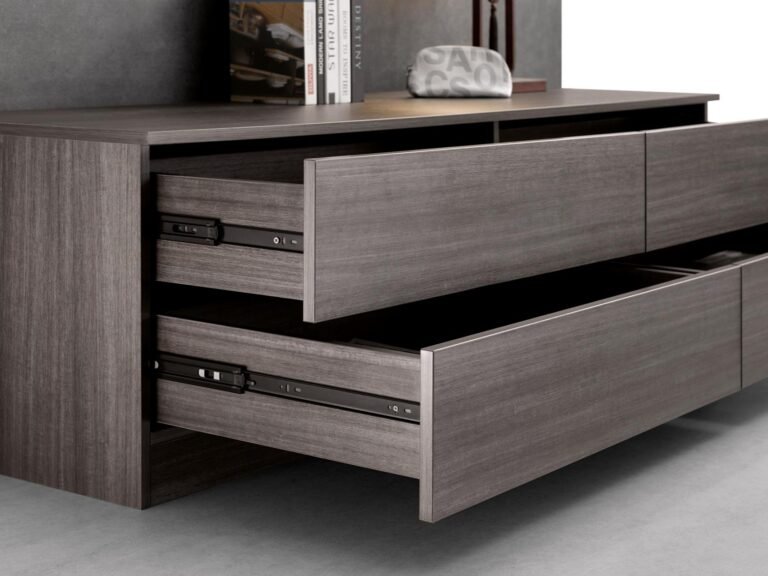
Three-Section Ball Bearing Drawer Slides
  • Best For
    Storage drawers · utility cabinets · deeper drawers
  • Choose When
    Full extension and easy access are more important than concealed hardware.
  • Check Before Selection
    Drawer depth · load requirement · side clearance · opening frequency
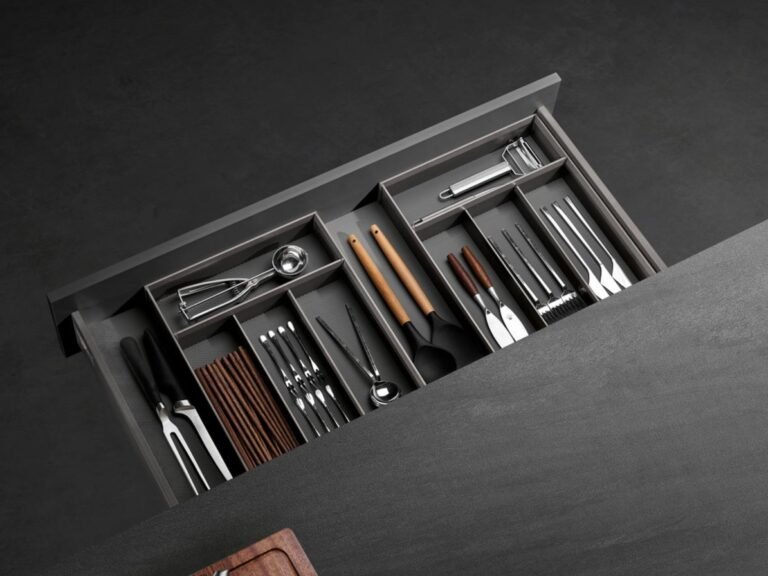
Metal Drawer Box System (Tandem Drawer)
  • Best For
    Kitchen base cabinets · island drawers · large storage drawers
  • Choose When
    You need an integrated drawer side system with consistent appearance across repeated cabinet modules.
  • Check Before Selection
    Drawer size · storage load · internal accessories · cabinet module
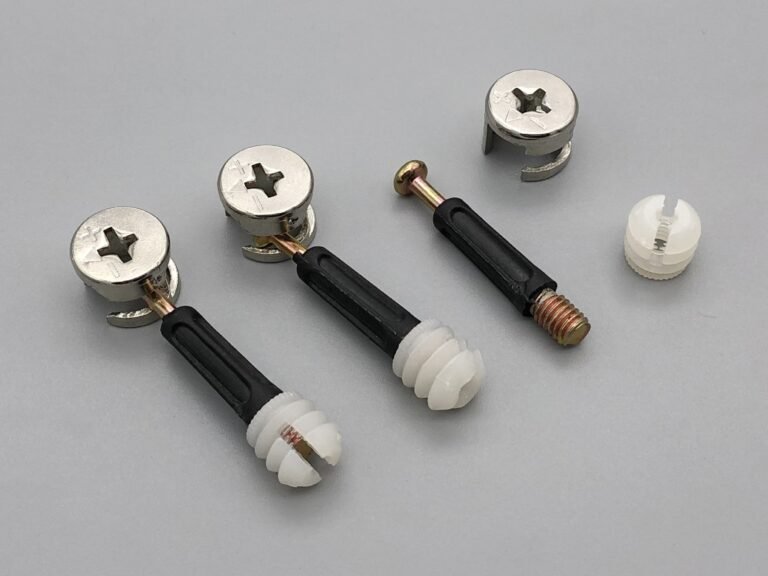
Cabinet Panel Connectors
  • Best For
    Cabinet carcasses · wardrobes · storage systems · modular furniture
  • Choose When
    You need concealed or repeatable panel connection for assembly.
  • Check Before Selection
    Panel material · panel thickness · drilling method · installation sequence
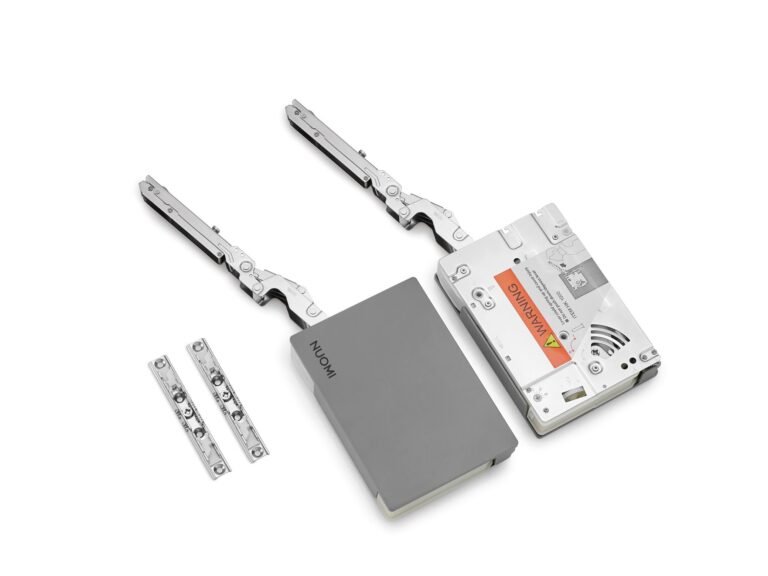
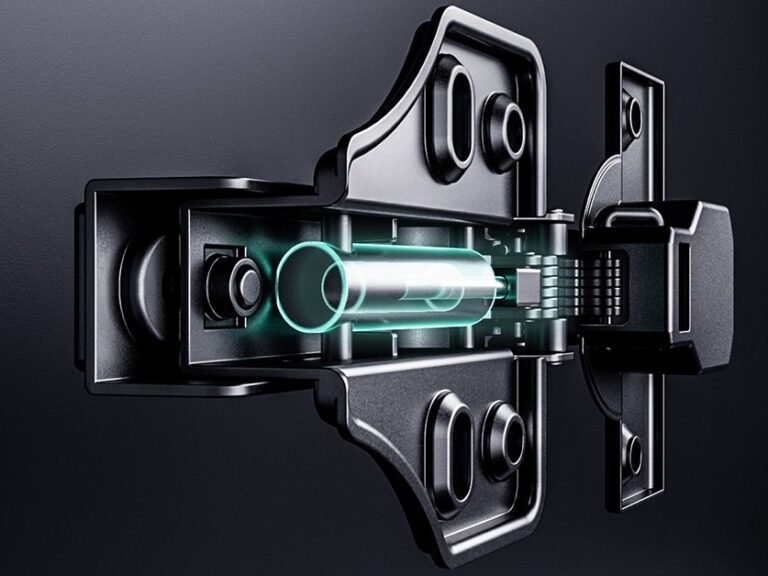
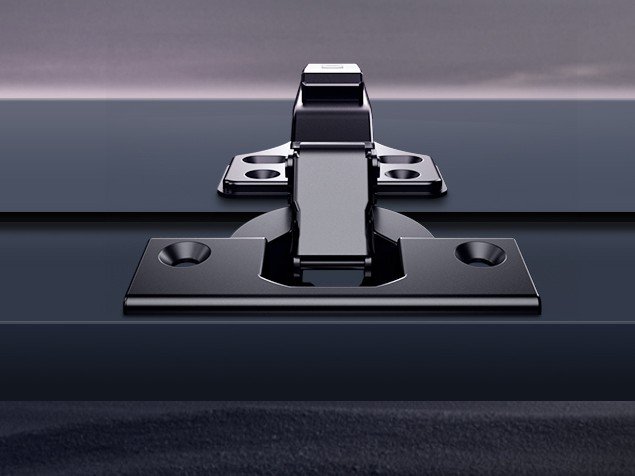
Soft Closing Cabinet Hinges
  • Best For
    Kitchen · wardrobe · vanity · storage cabinet doors
  • Choose When
    You need concealed, adjustable hardware for hinged cabinet doors.
  • Check Before Selection
    Door size · door weight · door thickness · overlay/inset · opening angle · soft-close requirement

Hardware Selection by Application

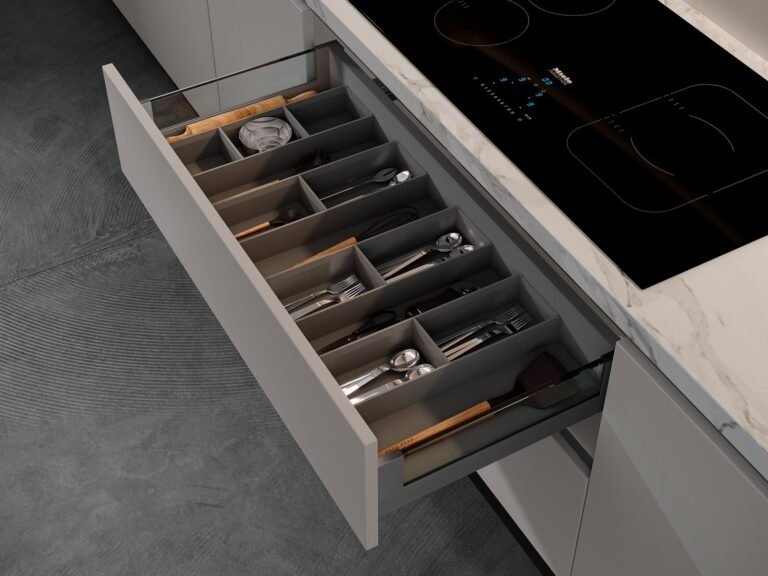
Kitchen cabinet hardware application

Kitchen

Typical Hardware: Soft-close hinges · undermount slides · metal drawer systems

Wardrobe furniture hardware application

Wardrobe

Typical Hardware: Hinges · drawer slides · connectors · selected sliding systems
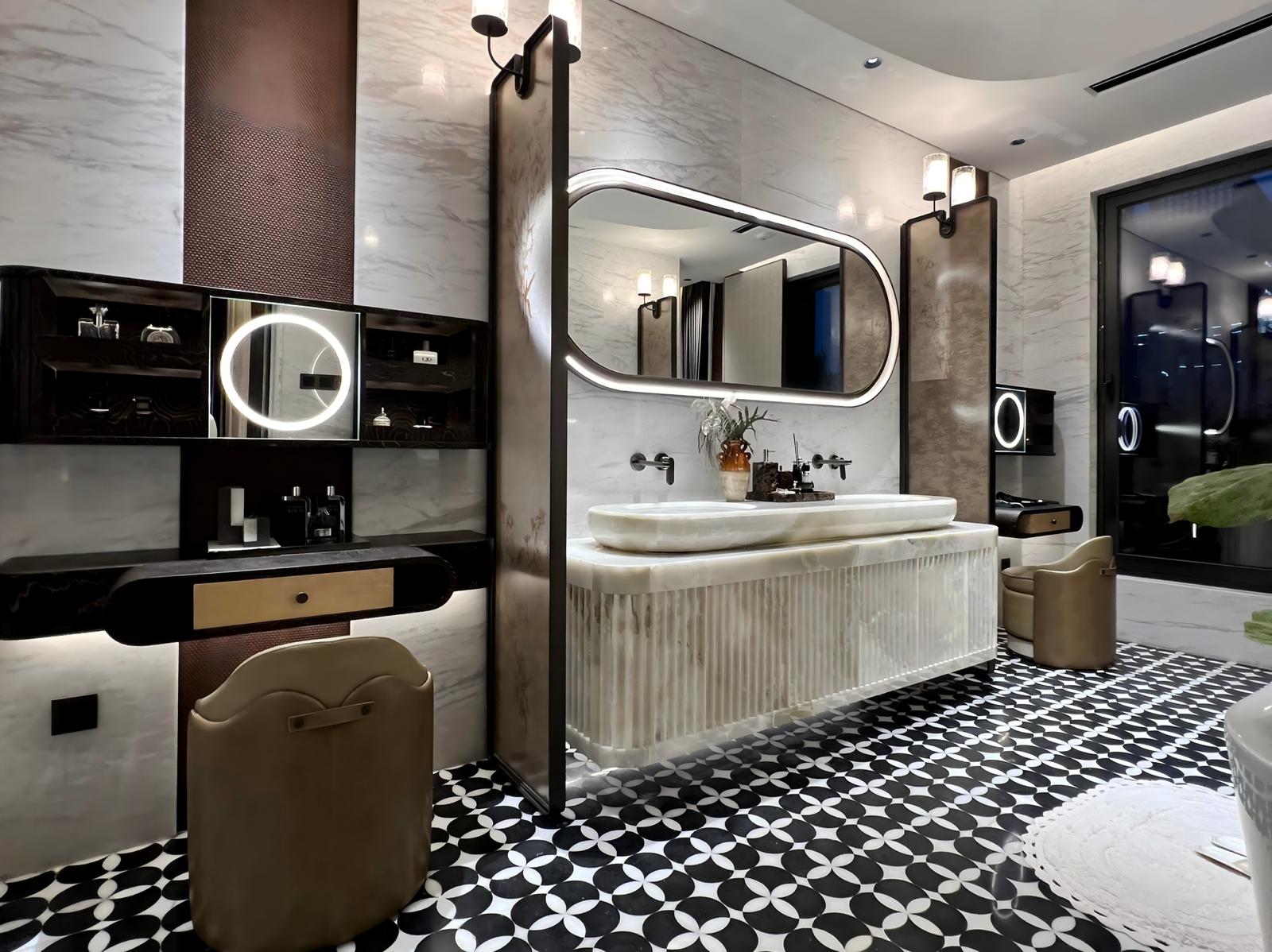
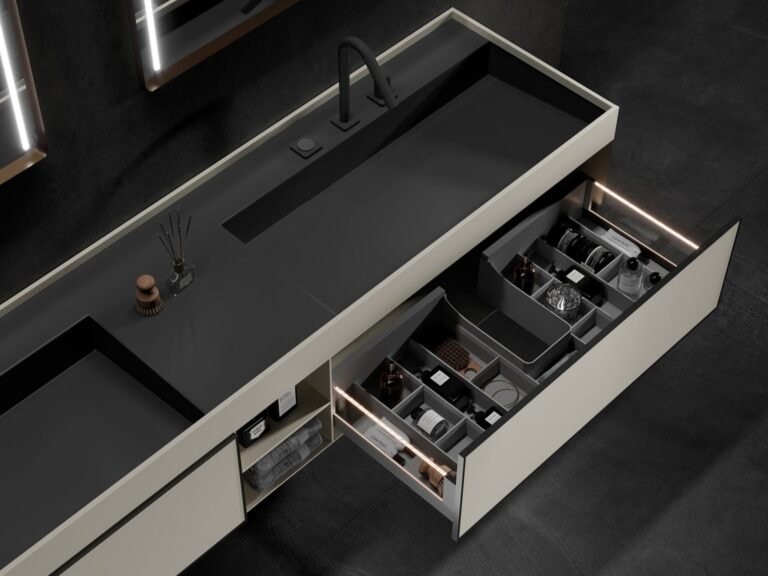
Vanity cabinet hardware application

Vanity

Typical Hardware: Hinges · compact drawer slides · moisture-aware hardware selection
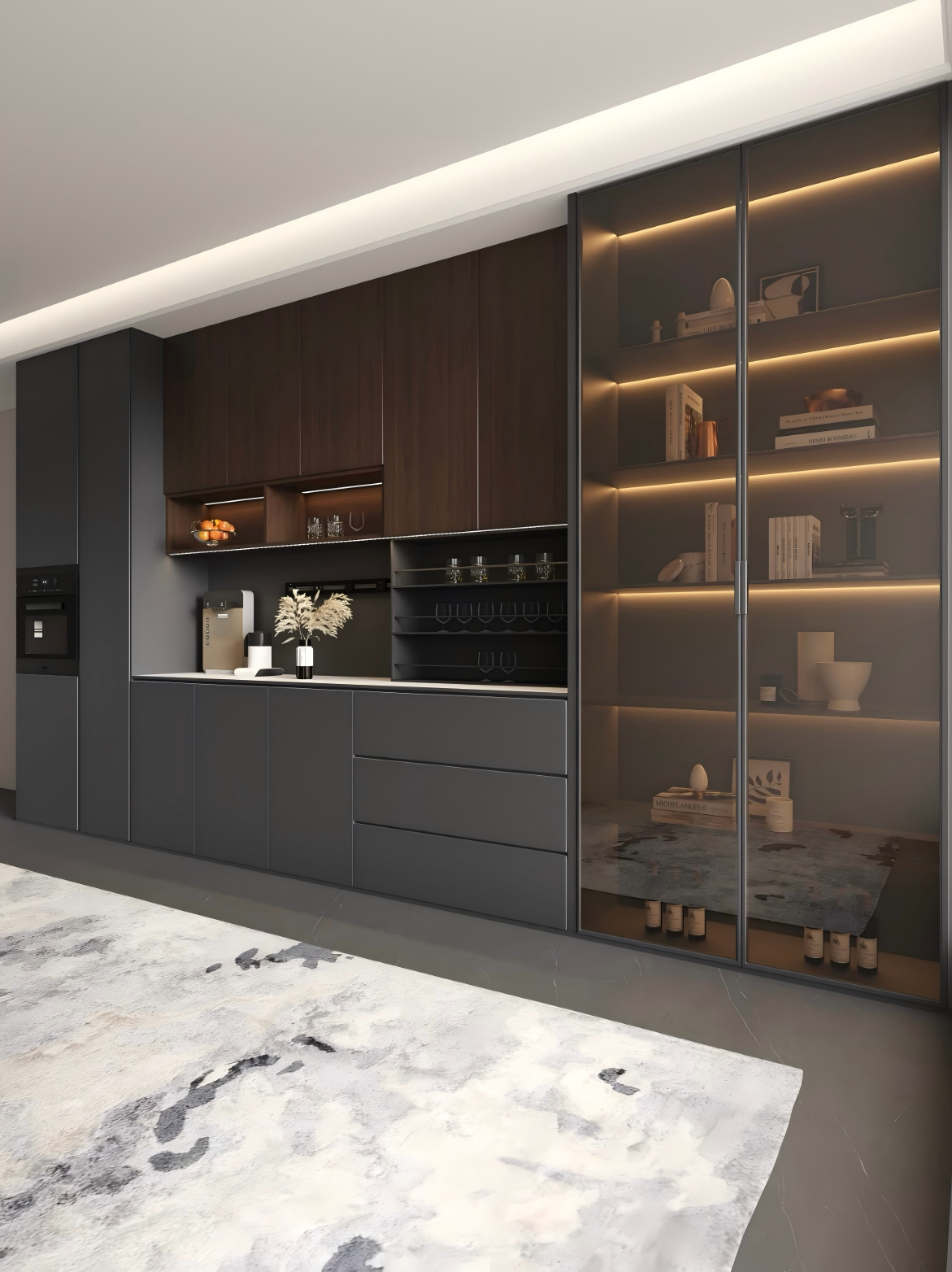
Storage cabinet hardware application

Storage Cabinet

Typical Hardware: Full-extension slides · load-focused hardware · durable hinges

Which Cabinet Hardware Should You Choose?

Hardware
Best For
What to Check
01
Undermount Slide
Drawer size · Load · Installation clearance
02
Ball Bearing Slide
Deep or utility drawers
Extension · Load · Side clearance
03
Metal Drawer Box
Drawer module · Load · Accessories
04
Panel Connector
Panel material · Thickness · Installation method
05
Concealed Hinge
Door size · Weight · Overlay / inset

Cabinet Hardware

How do I choose the right cabinet hardware?

Start with the cabinet application, door or drawer structure, size, weight and required function. These factors help determine whether hinges, drawer slides, connectors or drawer systems are suitable.

What should I consider when choosing drawer slides?

Check drawer size, expected load, extension requirement, installation clearance and how often the drawer will be used. The cabinet structure also affects which slide type can be installed.

How do I choose hinges for cabinet doors?

Consider the door size, weight, thickness, overlay or inset structure, opening angle and whether soft-close operation is required.

What is the difference between undermount and ball-bearing drawer slides?

Undermount slides are concealed beneath the drawer and are often chosen for a cleaner appearance. Ball-bearing slides are side-mounted and are commonly used where full extension, accessibility and practical load requirements are priorities.

Which hardware is suitable for kitchens and wardrobes?

Kitchens commonly use soft-close hinges, undermount slides and metal drawer systems. Wardrobes may use hinges, drawer slides, connectors and selected sliding hardware depending on the cabinet design.

What information do you need to recommend furniture hardware?

Project drawings, cabinet dimensions, door or drawer structure, panel material, expected load and required functions are the most useful starting information for hardware selection.

Scroll to Top