
Carcass / Box
Forms the main cabinet structure and provides load support, hardware fixing and installation stability.
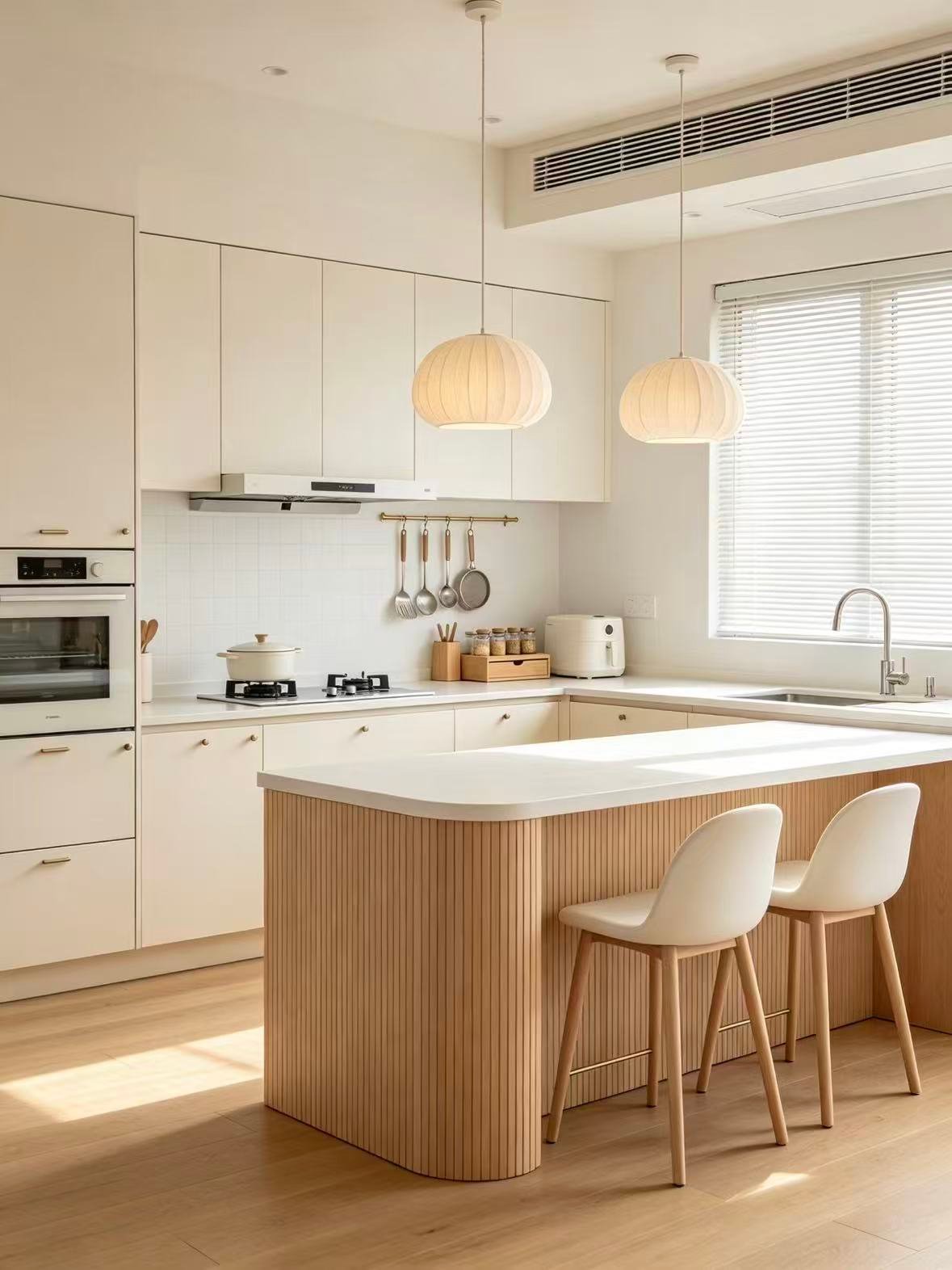
A kitchen cabinet carcass, also called a cabinet box, is the main structural body of the cabinet behind the doors, drawers and decorative fronts.
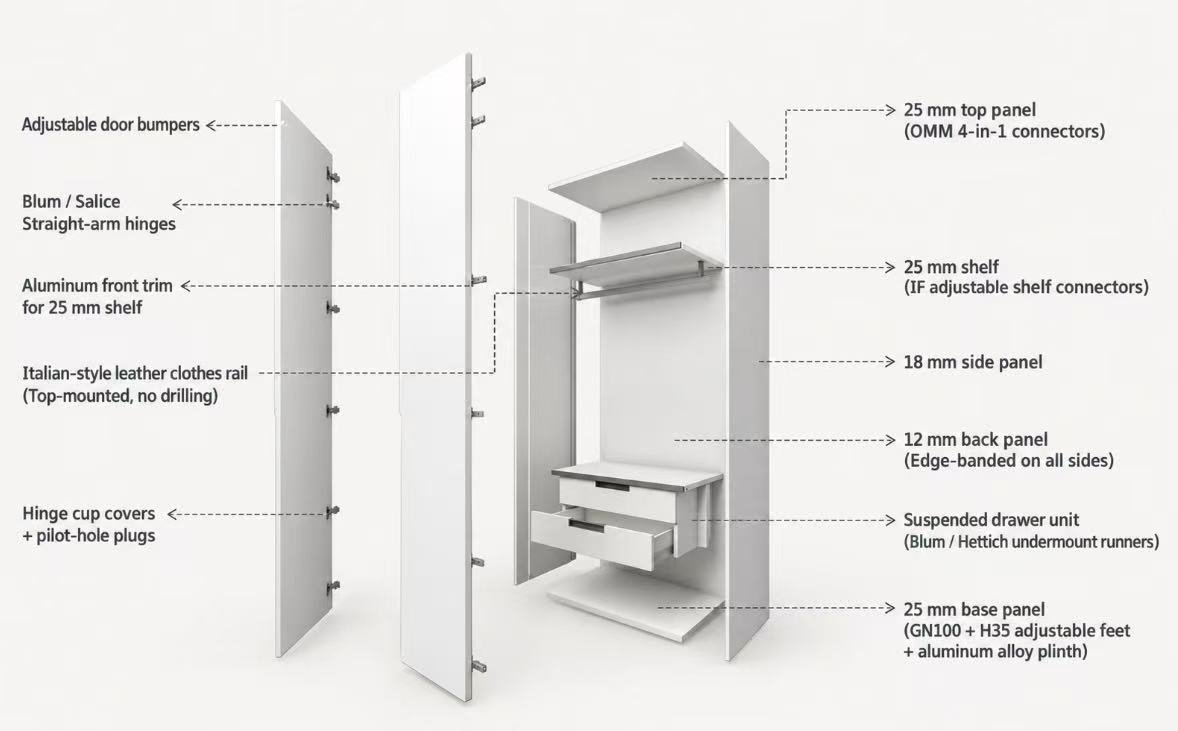
The carcass is typically made up of side panels, a bottom panel, top rails or stretchers, a back panel, shelves and the toe-kick or plinth structure.
The carcass supports shelves, hinges, drawer systems and countertops. Its material, structure, edge protection and assembly accuracy directly affect strength, moisture resistance, installation and long-term use.
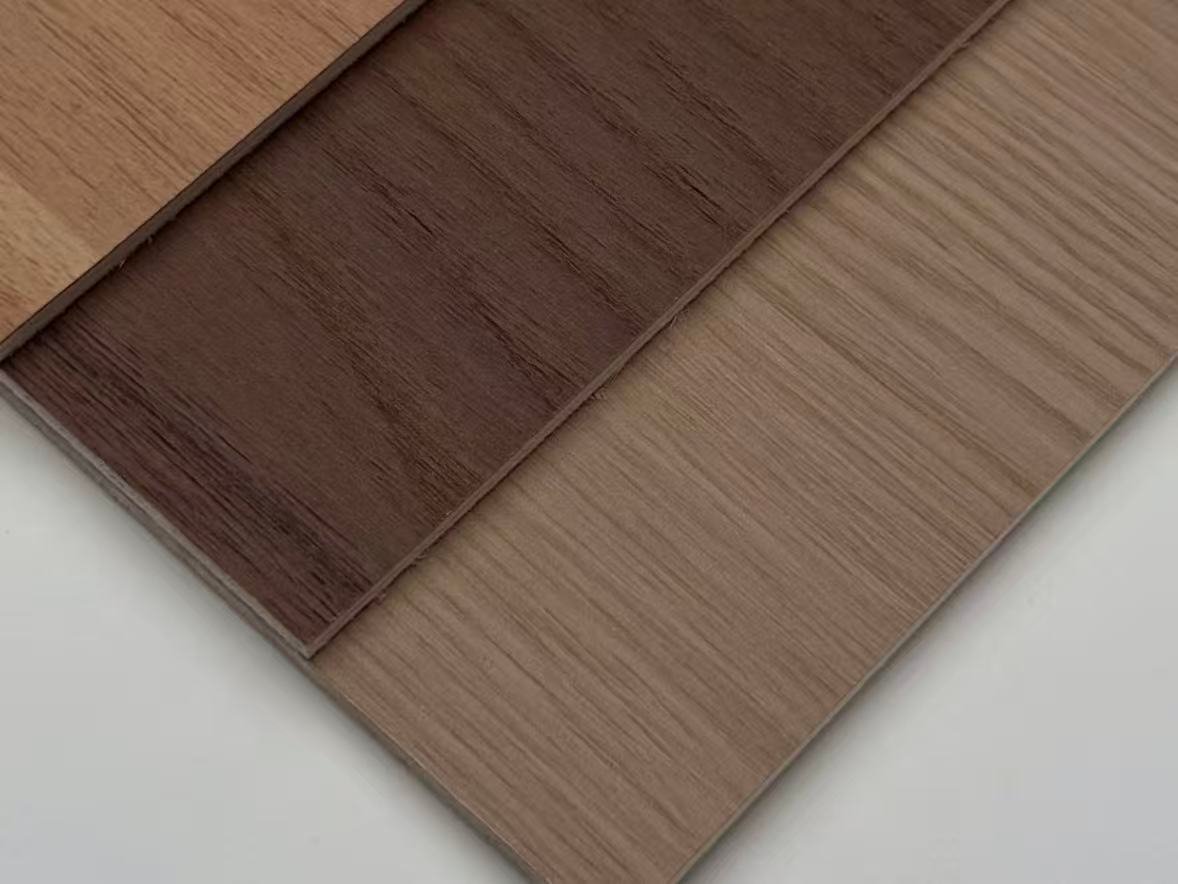
A practical choice for structural and moisture-prone cabinet applications.
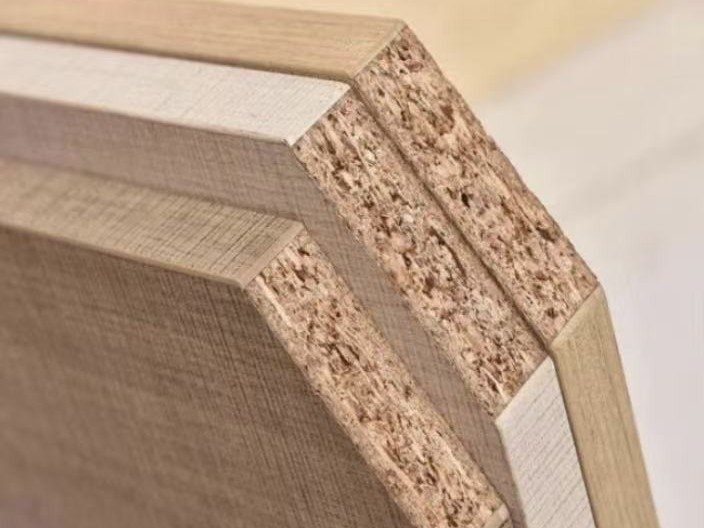
Commonly used for repeated cabinet bodies in controlled, dry interior environments.
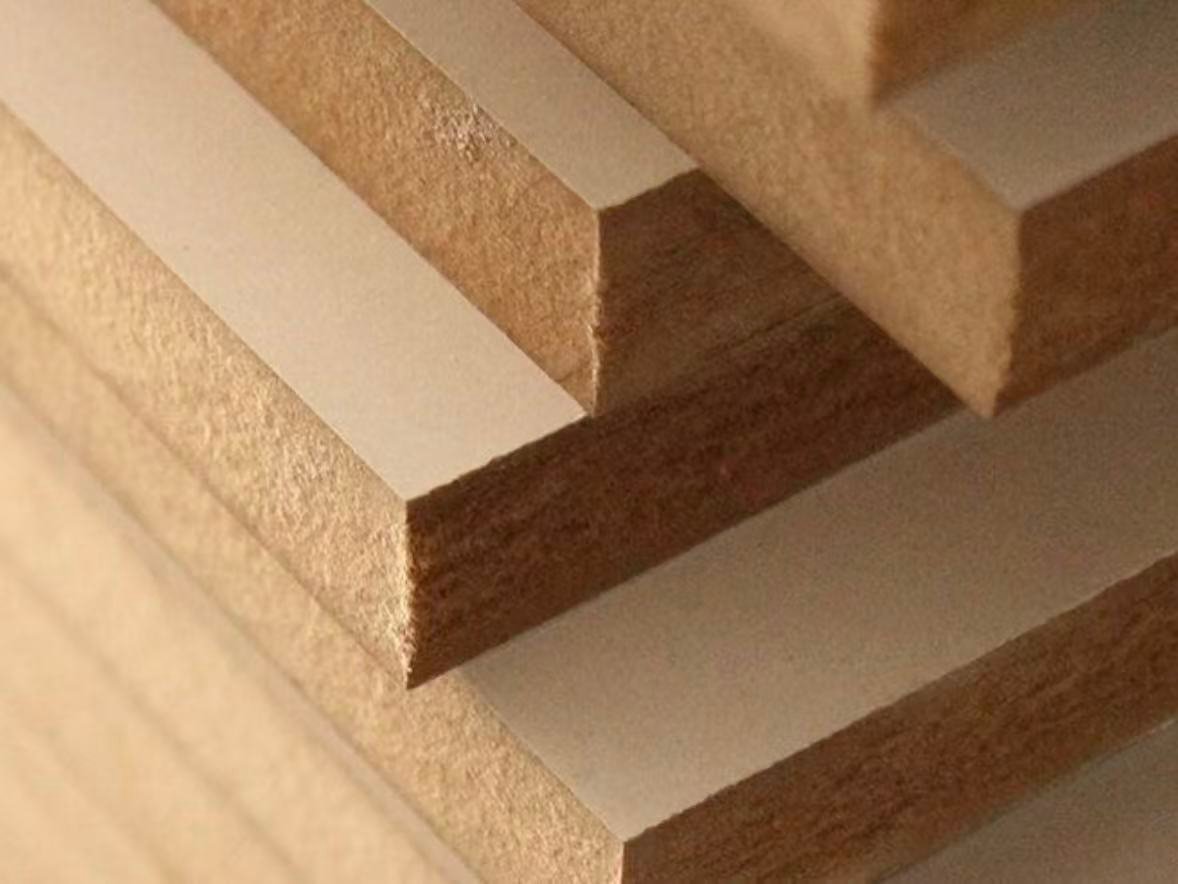
Suitable for specific machined applications or moisture-resistant cabinet requirements.
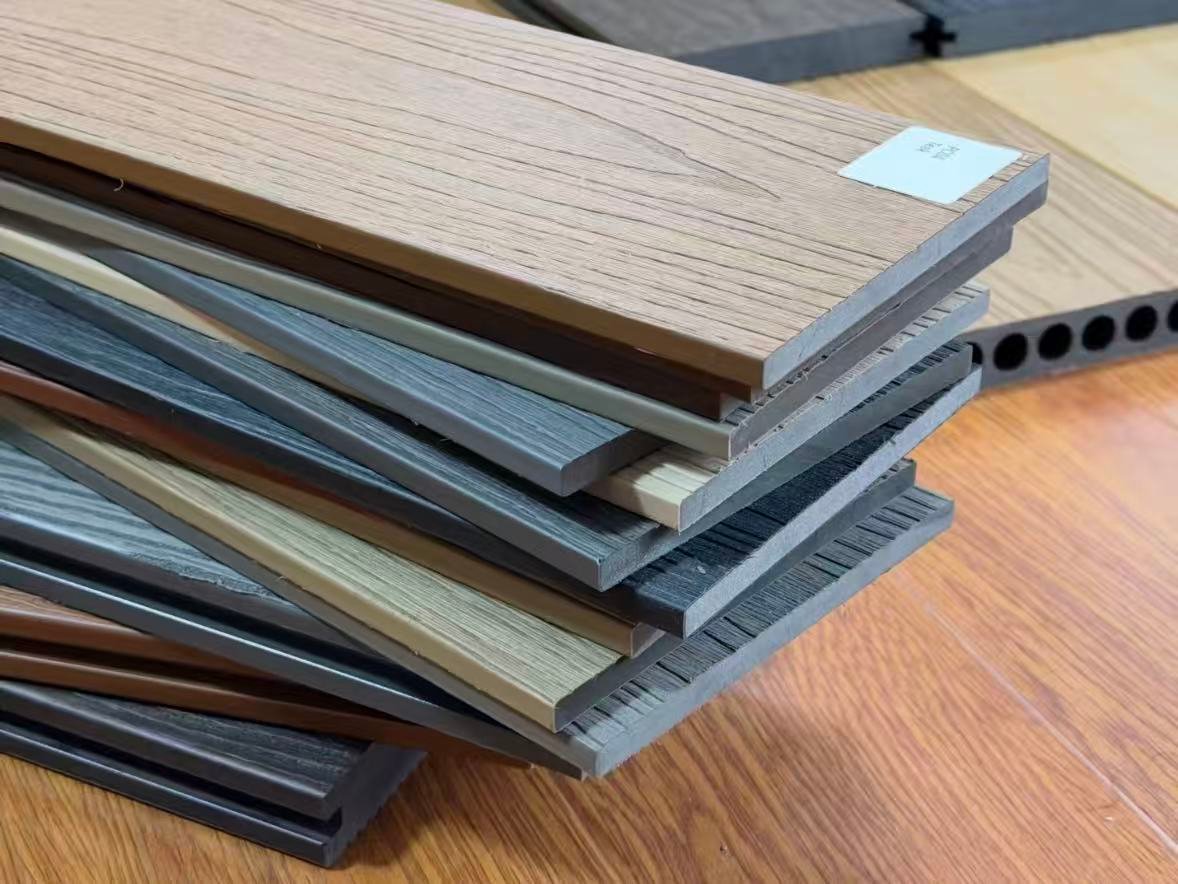
An option for moisture-sensitive cabinet applications when specified for the project.
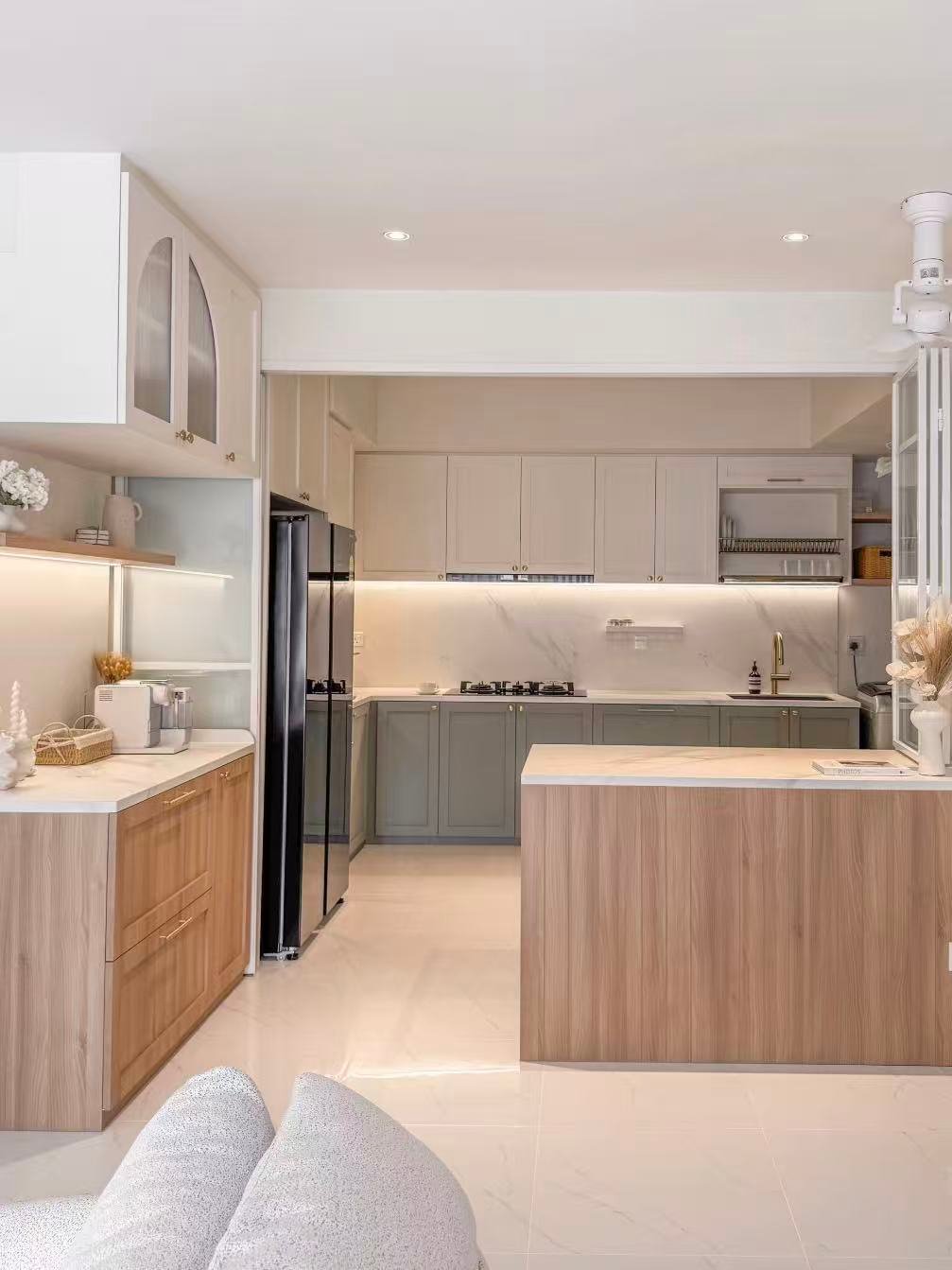
In humid or moisture-prone environments, carcass performance depends not only on the board itself, but also on edge protection, hardware compatibility and how the cabinet is installed.
Moisture resistance is not determined by the board name alone. The complete cabinet system also depends on exposed edges, edge banding, sink cut-outs, drilling points, back-panel construction, floor contact and installation conditions.
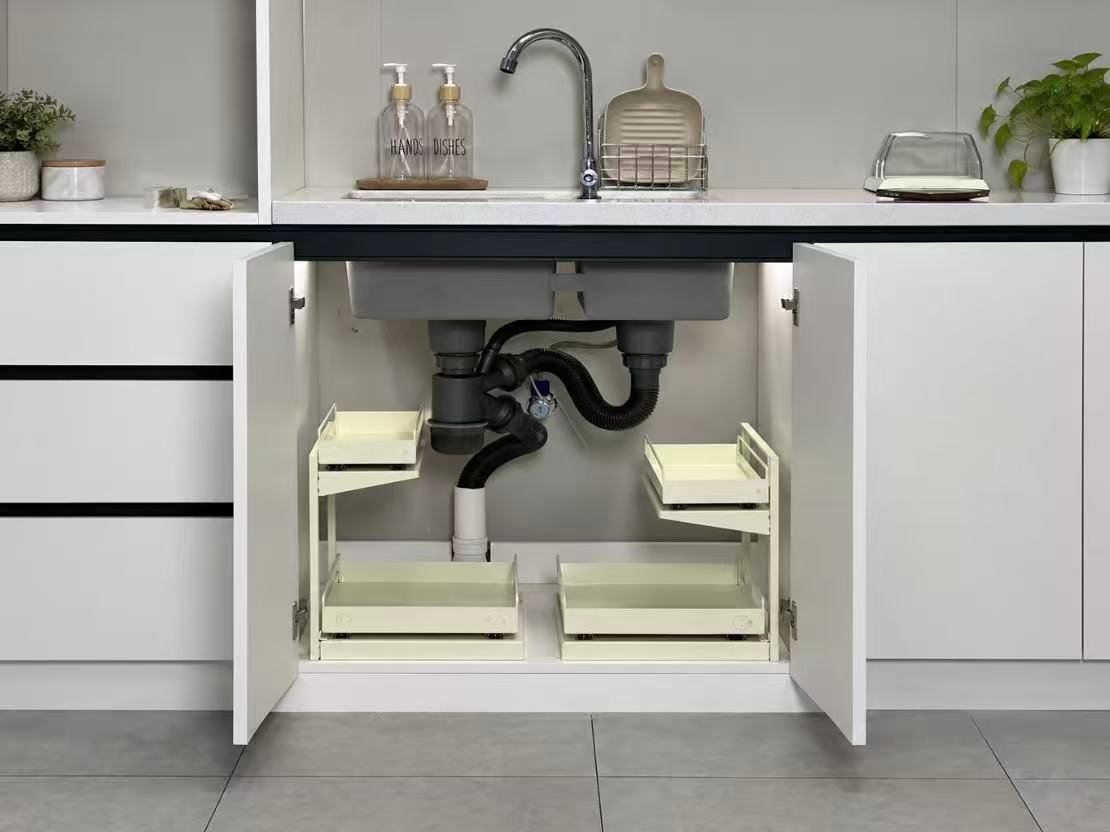
The sink base cabinet is usually one of the highest-risk areas for moisture exposure. Small plumbing leaks, condensation around pipes, wet cleaning products and water entering through sink or countertop cut-outs can expose the carcass repeatedly over time.
The vulnerable points are often not the large panel surfaces, but the cut edges around plumbing openings, bottom panels, joints and fixing points. Once water reaches an unprotected core, swelling or loss of structural stability can occur.
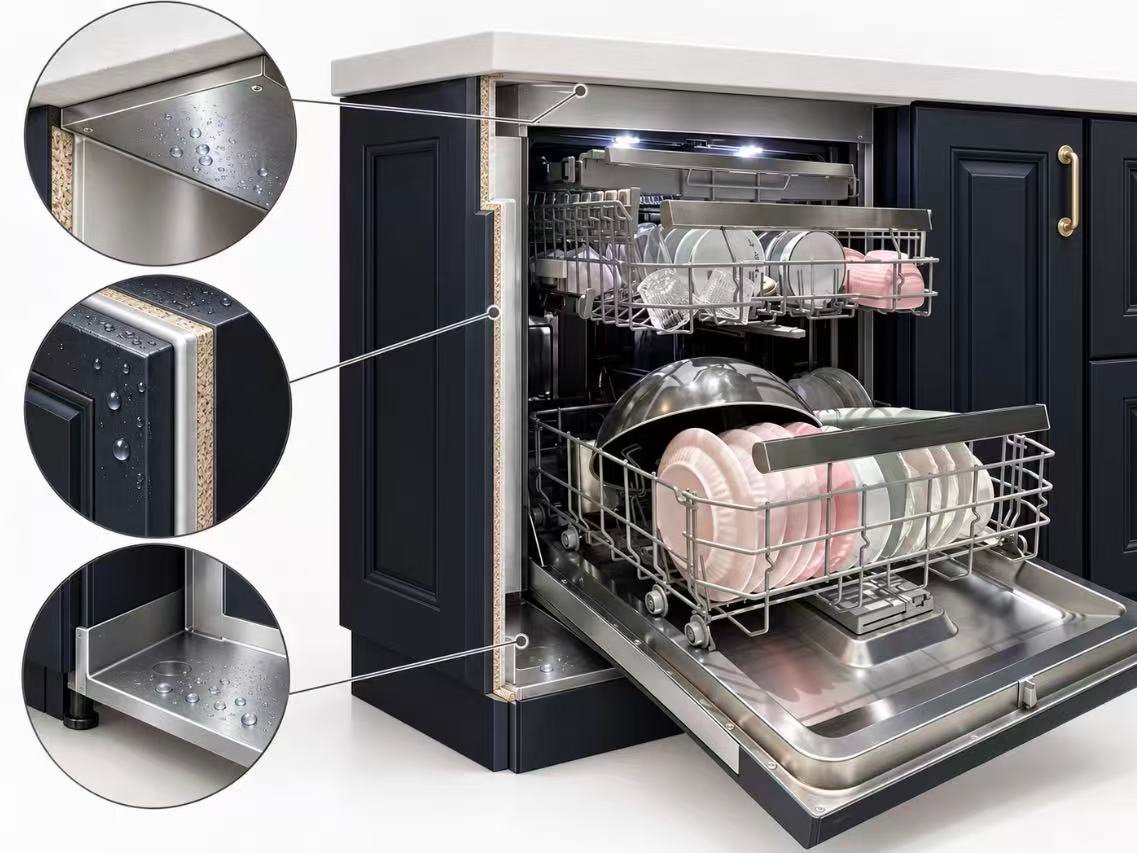
Cabinets beside a dishwasher face a different moisture pattern. Repeated cycles of heat, steam and condensation can affect adjacent panel edges and the underside of the countertop.
The risk increases when appliance clearances or ventilation are insufficient, so protection needs to consider both direct water exposure and repeated warm moisture around the appliance opening.
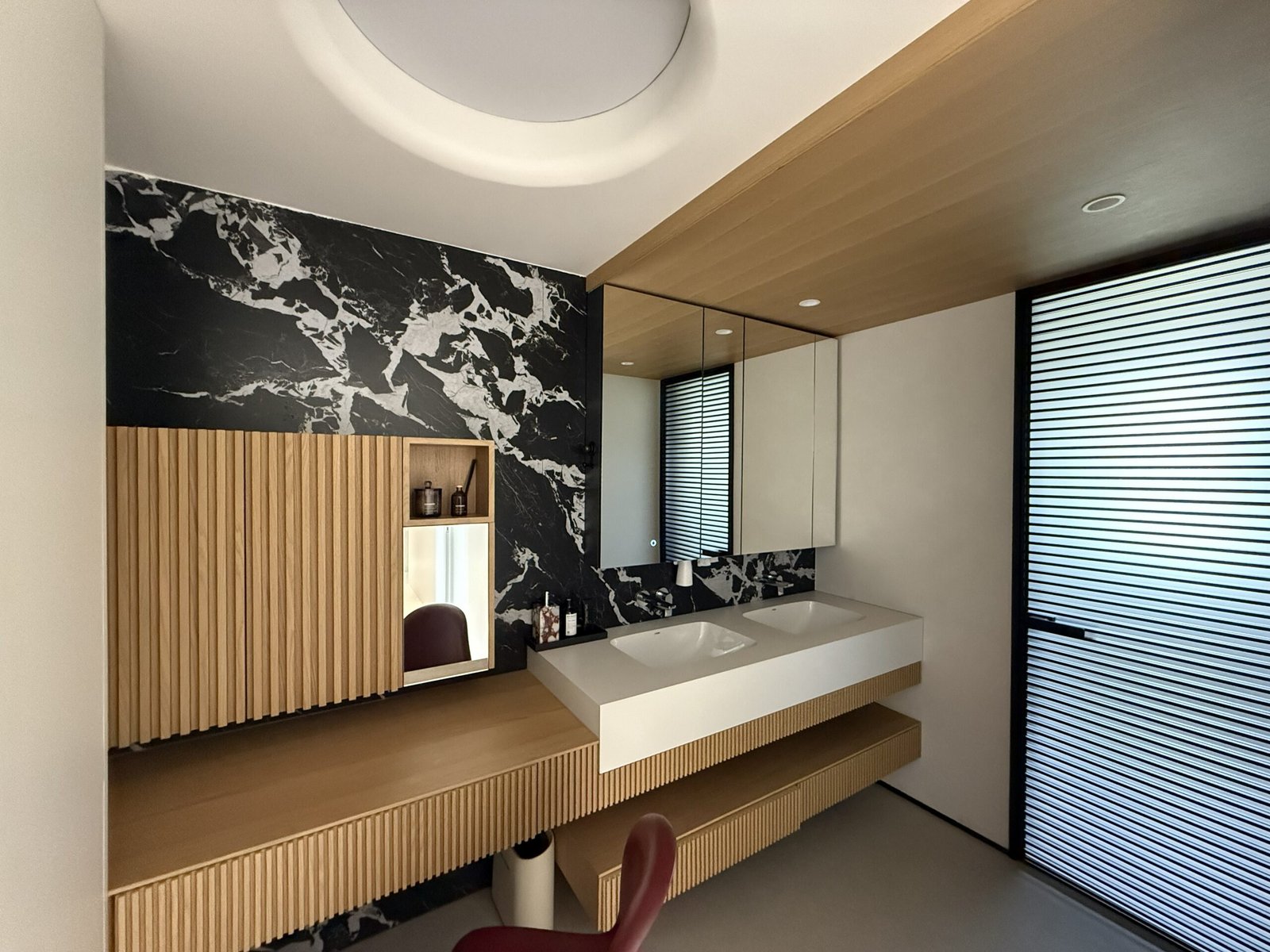
Bathroom vanities may experience less direct leakage than a sink base cabinet, but they remain in a high-humidity environment for longer periods.
Shower steam, wet floors, splashing and limited ventilation can keep moisture levels elevated around the cabinet. Lower panels, exposed edges and areas close to walls or floors deserve particular attention.
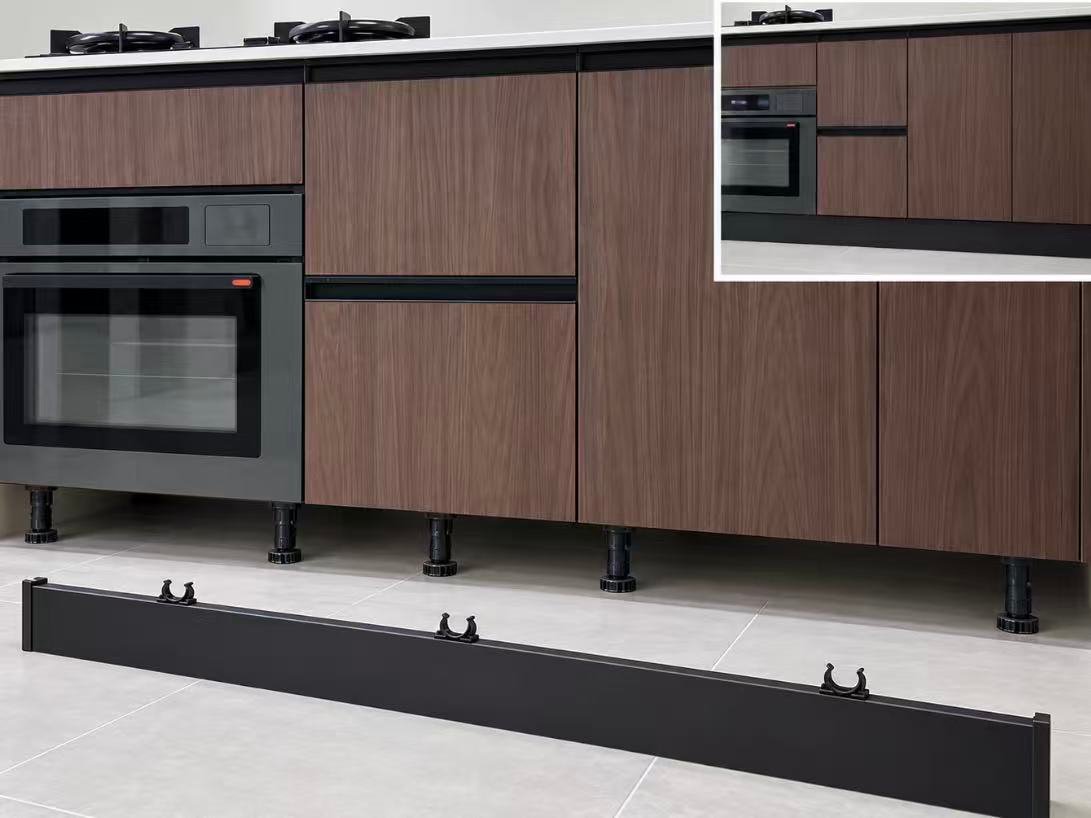
Floor-level cabinet components are vulnerable because moisture does not always come from above. Mopping water, minor flooding, condensation and damp flooring can expose plinths, toe kicks and lower carcass edges from below.
In humid projects, keeping the main cabinet body away from prolonged floor contact can be as important as selecting a moisture-resistant board.
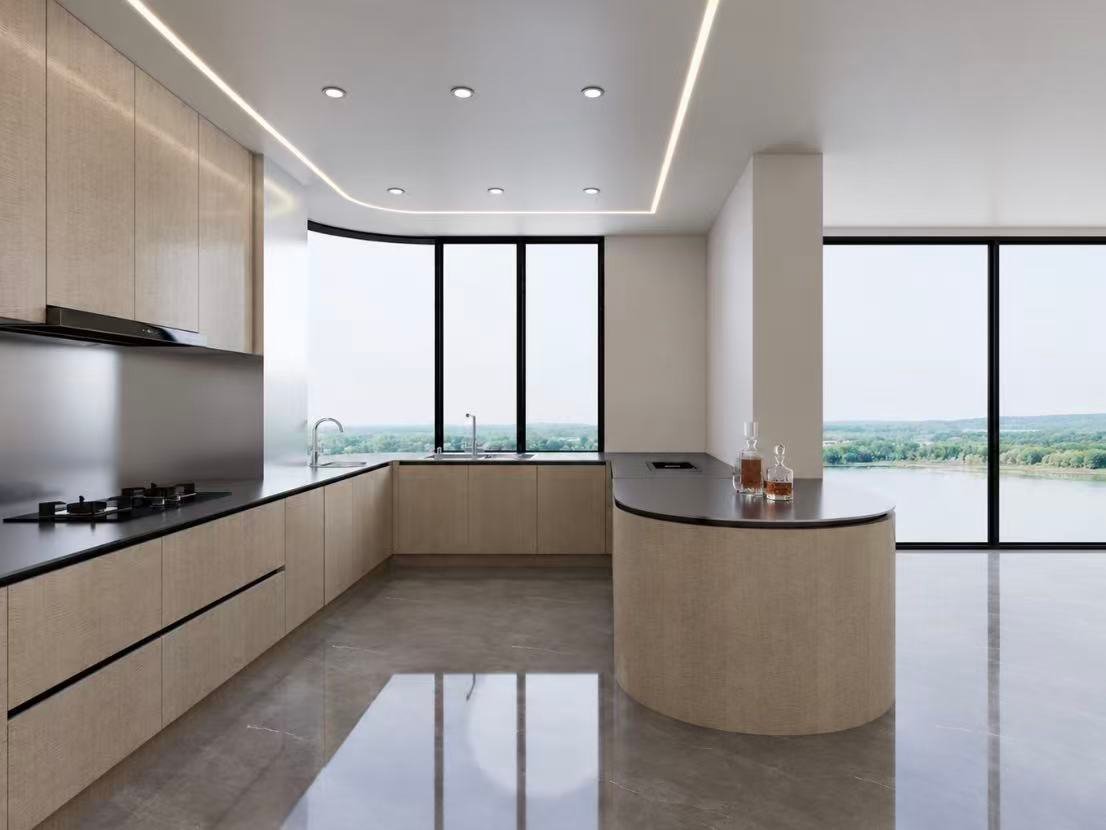
In tropical and coastal projects, moisture exposure is not limited to one cabinet location. High ambient humidity can affect kitchens, wardrobes, bathroom vanities and other built-in cabinetry throughout the project.
Moisture protection therefore becomes a project-level specification. Material selection, edge sealing, hardware, ventilation, storage and installation should all reflect the local environment.
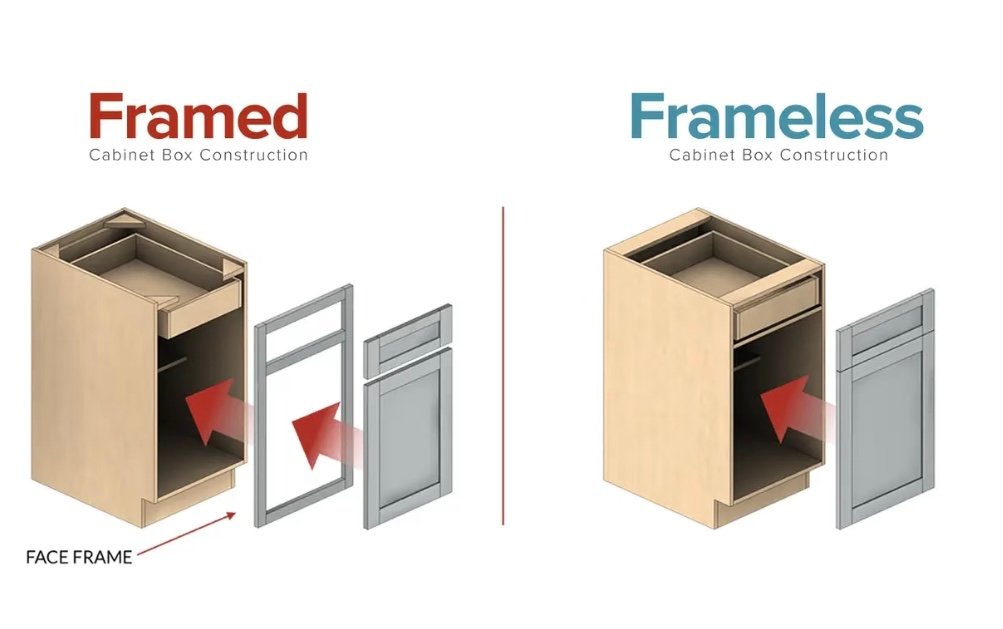
The cabinet box forms the main structure without a separate front frame. Doors and hardware are fixed directly to the carcass.
A front frame is fixed to the cabinet box, changing the opening structure as well as door and hardware positioning.
Frameless or face-frame construction alone does not determine cabinet quality. Manufacturing accuracy, structural details and assembly consistency have a greater influence on long-term carcass performance.
Matched to cabinet dimensions, load and hardware requirements.
Affects rigidity, cabinet squareness and installation stability.
Protects exposed panel edges and improves long-term durability.
Keeps hinges, slides and structural connectors correctly aligned.
Fixing position and substrate strength affect hardware stability.
Length, thickness and support determine resistance to sagging.
Accurate assembly keeps doors, drawers and installation aligned.