Why Aluminium Is the Default Material for Both Regions
Timber warps, swells, and rots under sustained humidity or repeated thermal cycling — a poor fit for either climate. uPVC performs reasonably in moderate heat but softens and loses dimensional stability at the surface temperatures common on sun-facing Gulf facades. Aluminium doesn’t rot, doesn’t support mold growth the way timber can in humid climates, and has the structural strength to frame the large glazed openings both villa and hospitality projects increasingly specify. That’s why it’s the default — but “aluminium” alone is not a complete specification; the profile engineering underneath determines whether it performs for 5 years or 25.
The Thermal Break Detail That Actually Matters
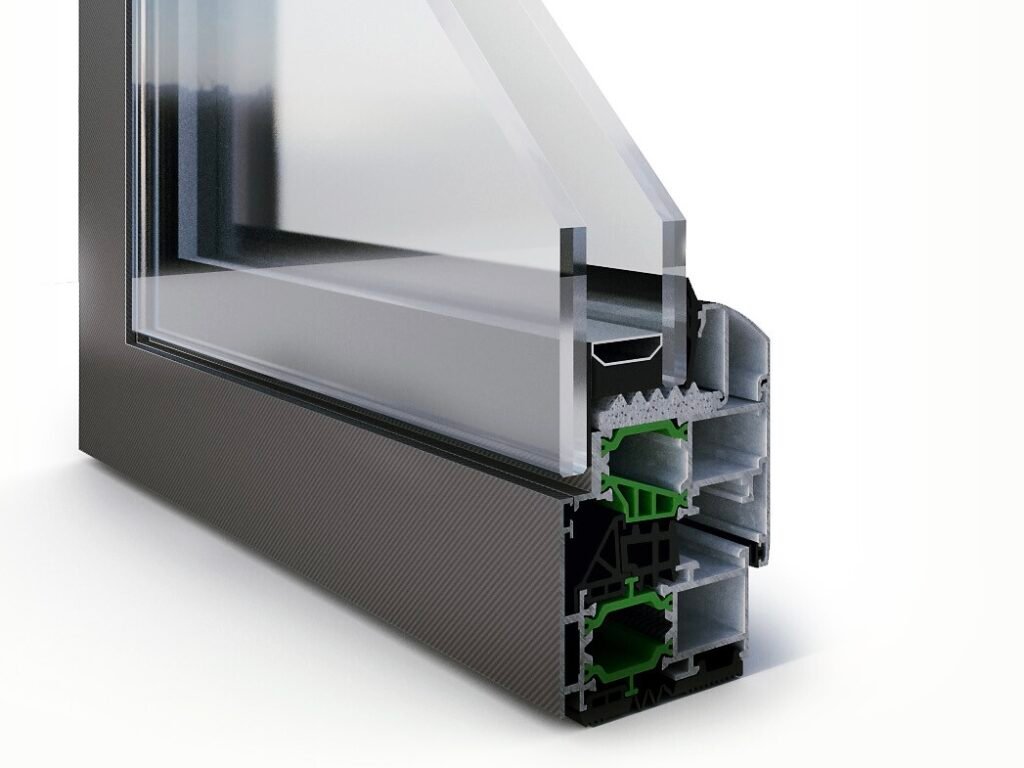
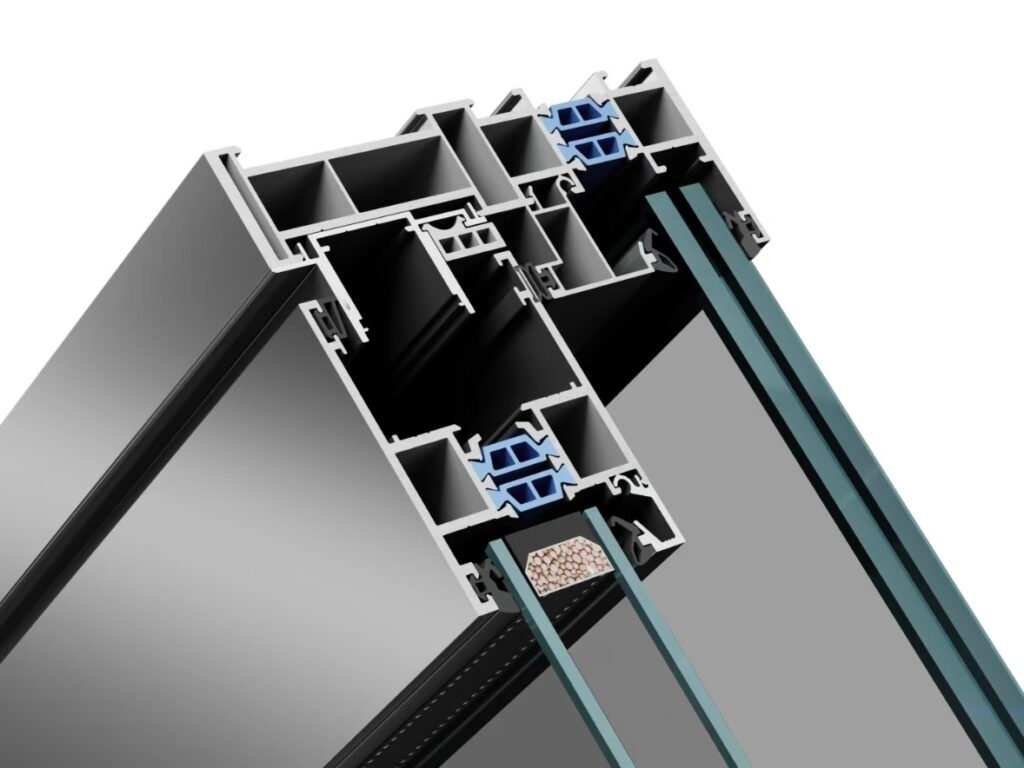
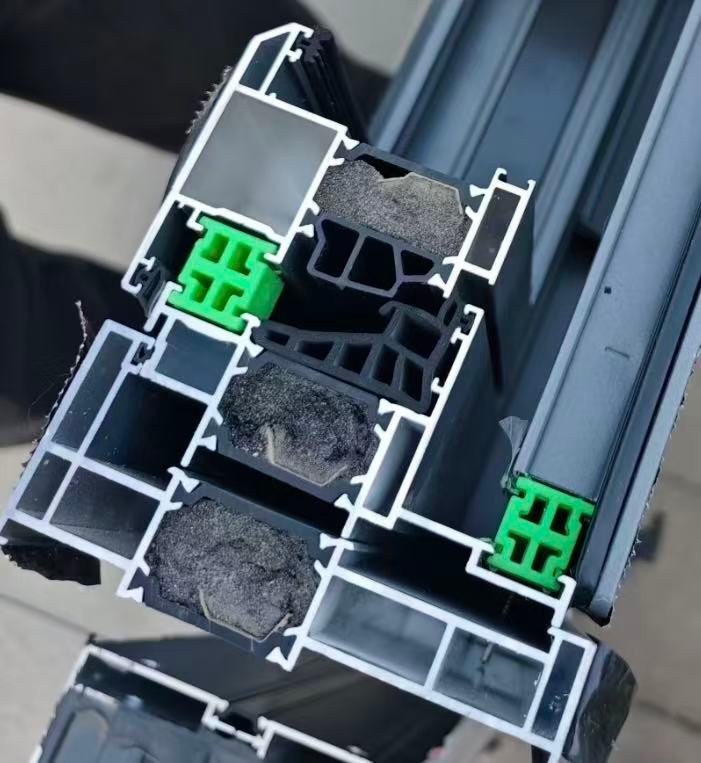
Standard, non-thermally-broken aluminium is a highly efficient heat conductor — under direct Gulf sun, frame surface temperatures commonly exceed 70°C, and that heat transfers almost directly into the interior, forcing air conditioning to compensate continuously. A thermal break — a polyamide (PA66) insulating strip set into the aluminium profile — interrupts that conductive path.
Thermal break vs. standard aluminium performance| Spec factor | Standard aluminium | Thermally broken |
|---|
| U-value (heat transfer) | ~0.8 W/m²K or higher | As low as 0.28 W/m²K |
| PA66 strip width | — | Typically 24–34 mm |
| Cooling load impact | Baseline | 15–25% reduction in high-heat regions |
| Condensation risk | Higher — frame acts as cold bridge | Substantially reduced |
For Gulf villa and hotel projects specifically, this is the single line item that most affects long-term operating cost — a lower U-value directly reduces the air conditioning load that dominates building energy bills in the region. For Southeast Asian projects, the thermal break matters less for heat rejection and more for reducing interior condensation where air-conditioned interiors meet high ambient humidity at the frame.
Corrosion Resistance for Coastal & Humid Climates
Salt-laden air — common to Gulf coastal cities and virtually all Southeast Asian coastal developments — accelerates aluminium surface corrosion far faster than inland, dry-climate exposure. Industry data attributes close to 40% of window and door system replacements in coastal regions within 10–15 years to corrosion-related failure rather than mechanical wear.
- Salt spray resistance — coastal-grade powder coating or anodizing should be tested to at least 1,000–2,000 hours under ASTM B117 or ISO 9227 salt spray standards before specification is confirmed.
- Marine-grade hardware — stainless steel fasteners and hinges rated for coastal exposure, not standard-grade hardware finished to look similar.
- Anodizing thickness — where anodizing is specified over powder coating, controlled anodizing thickness is what determines long-term surface stability, not the visual finish alone.
Same requirement, different trigger — a Jeddah project needs this spec because of airborne salt from the Red Sea combined with intense heat; a Bali or Danang project needs the same spec because of constant humidity and monsoon rain. The corrosion protection requirement is identical even though the climate driving it is completely different.
Gulf-Specific: Sandstorm & Dust Sealing
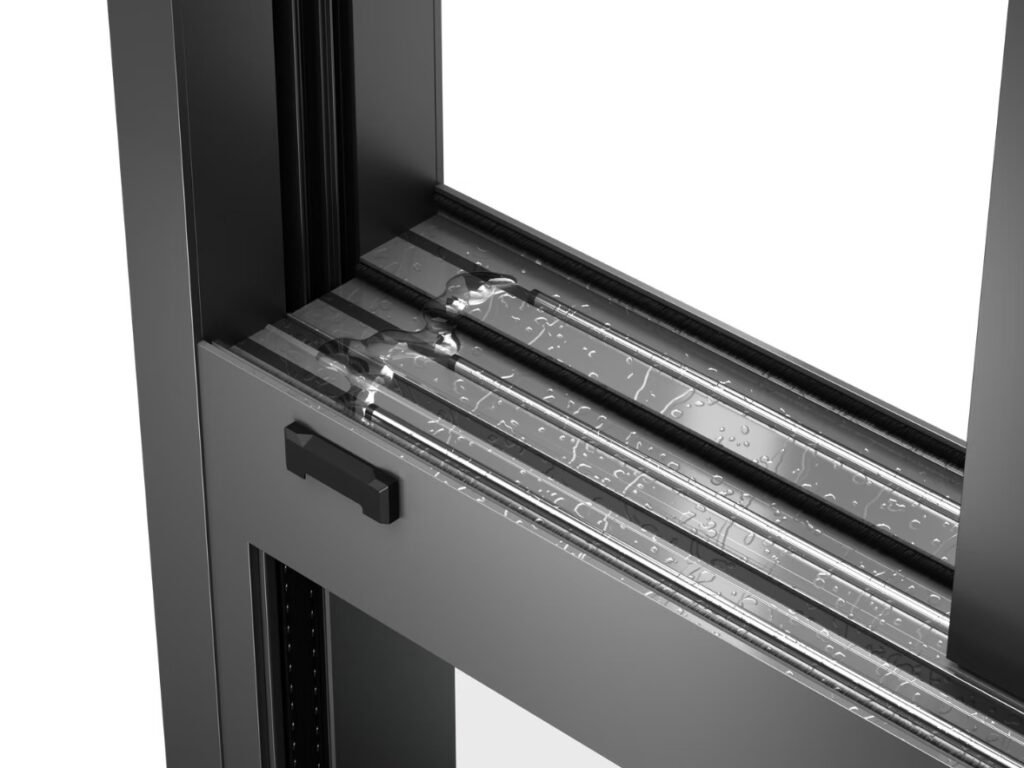
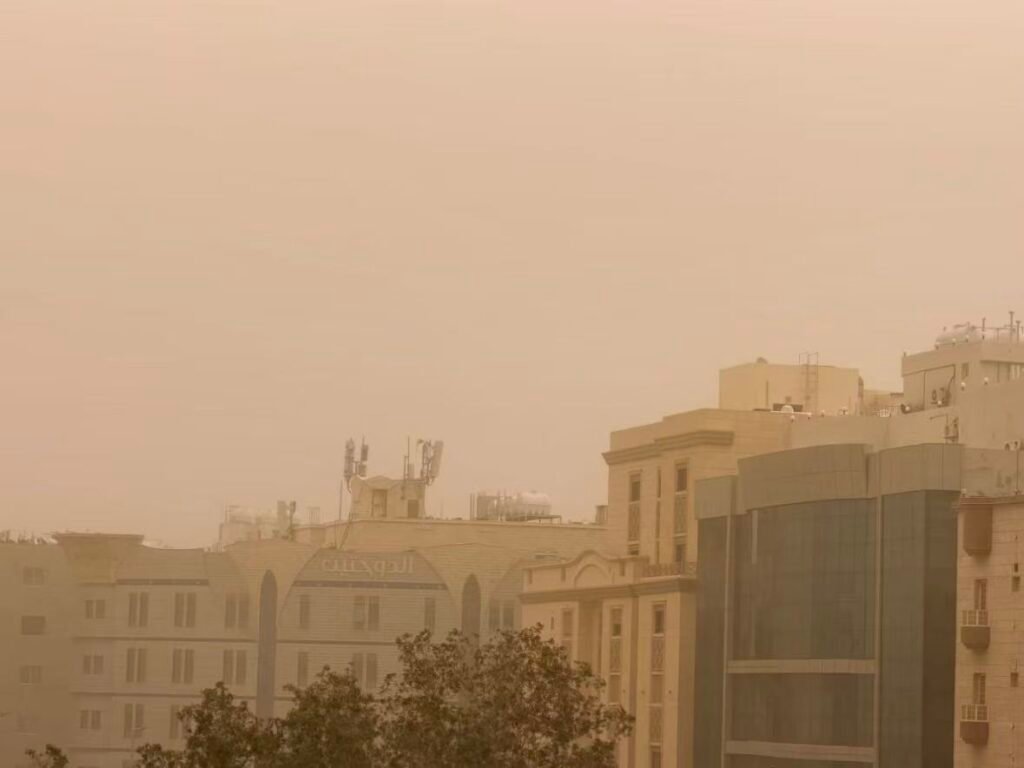
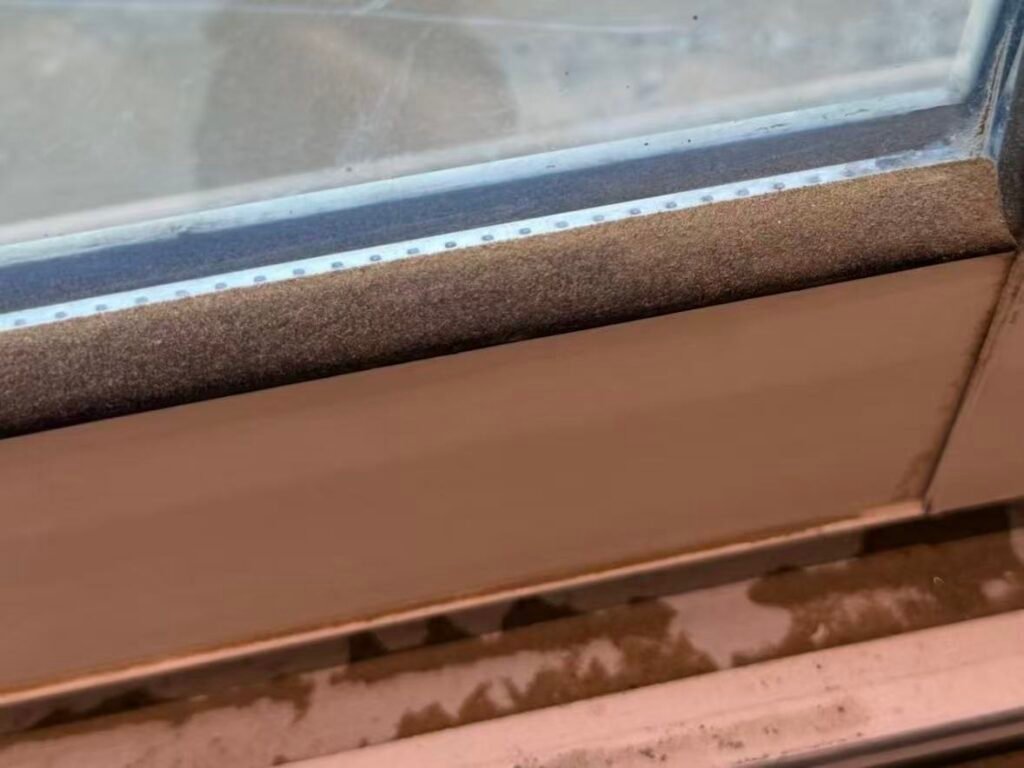
Frequent sandstorms (locally referred to in parts of the Gulf as Khamsin winds) drive fine, abrasive particles into window and door tracks, accelerating hardware wear and clogging drainage channels over time. Gulf-specific specification should include sealed, anti-dust track systems and drainage channels designed to resist blockage — a detail that has no equivalent requirement in a Southeast Asian spec, where the comparable challenge is heavy monsoon rain volume rather than airborne sand.
Southeast Asia-Specific: Monsoon Drainage & Humidity
Where Gulf specification manages sand and extreme dry heat, Southeast Asian specification needs to manage sustained humidity and high-volume seasonal rainfall:
- Drainage capacity — sill and track drainage sized for sustained monsoon rainfall volumes, not just incidental water shedding.
- Gasket material — EPDM gaskets suited to constant humidity exposure without degrading or supporting mold growth at the seal line.
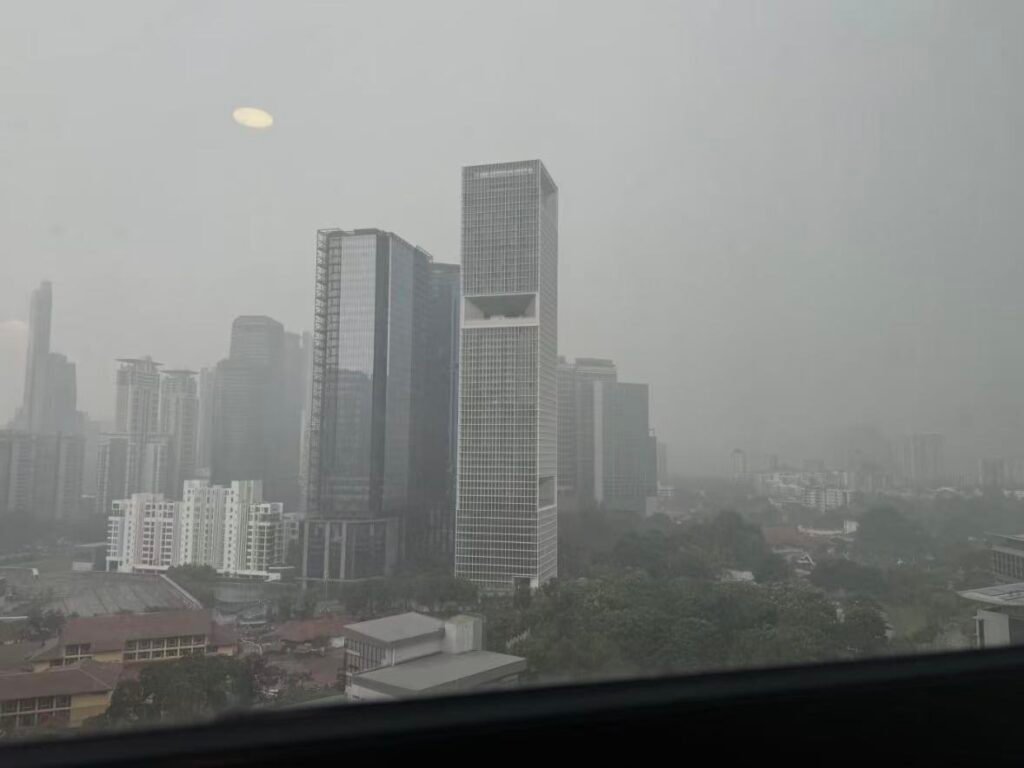
- Condensation management — the gap between hot, humid exterior air and cooled interior air makes condensation control at the frame a more constant concern than in the Gulf’s dry heat.
Thermal Expansion & Structural Movement
Extreme heat causes aluminium to expand measurably across large door and window spans, and reinforced concrete structures — the dominant construction method for villas across both regions — introduce their own movement and tolerance variation. Large glazed openings need sliding anchors and flexible connection details that absorb this expansion and structural movement without transferring stress into the frame or compromising the seal. This detail matters more as opening size increases, and it applies in both regions, though Gulf summer temperature swings tend to make the expansion range wider.
Sourcing a Climate-Matched Spec Across a Multi-Country Project
The most common mistake on a portfolio spanning both regions isn’t choosing the wrong aluminium grade — it’s applying one region’s spec sheet to the other because it’s easier to standardize on paper. A Gulf-specification sandstorm seal adds cost with no benefit in a Southeast Asian project, and a Southeast Asia-specification drainage detail undersizes what a Gulf flash-flood event occasionally demands.
At BoyceCasa, window and door specifications are adjusted by project region — thermal break sizing, coastal corrosion protection, and drainage detail confirmed against the actual climate conditions of Riyadh, Jeddah, Jakarta, or Ho Chi Minh City rather than a single standardized spec applied everywhere. This regional adjustment extends across our window and interior doors lines, so a multi-country portfolio gets a spec matched to each site rather than a one-size-fits-all import.
FAQS
Explore our Kitchen Cabinets and Wardrobe collections to see factory-direct cabinetry for villa and hotel projects, or contact our team for a project-specific consultation and quote.
Related reading:
Standard Door Width, Frame Size & Rough Opening Guide
Standard Door Sizes in mm: Width, Height & Dimensions Guide
Door Rough Opening Size: The Complete Chart & Sourcing Guide
Windows and Doors: A Complete Buying & Sourcing Guide
Doors and Windows Purchasing Guide