
In the pursuit of personalized spaces and premium living, mass-produced furniture often falls short of capturing the true essence of a home.
As modern minimalism and light luxury styles continue to dominate global design trends, high-end custom furniture has become the absolute core of creating an ideal living space.However, the custom furniture market can be highly complex.
Bridging the gap between a stunning design blueprint and the final product involves navigating materials, hardware, and craftsmanship. Here is how to choose bespoke luxury furniture like a professional designer.
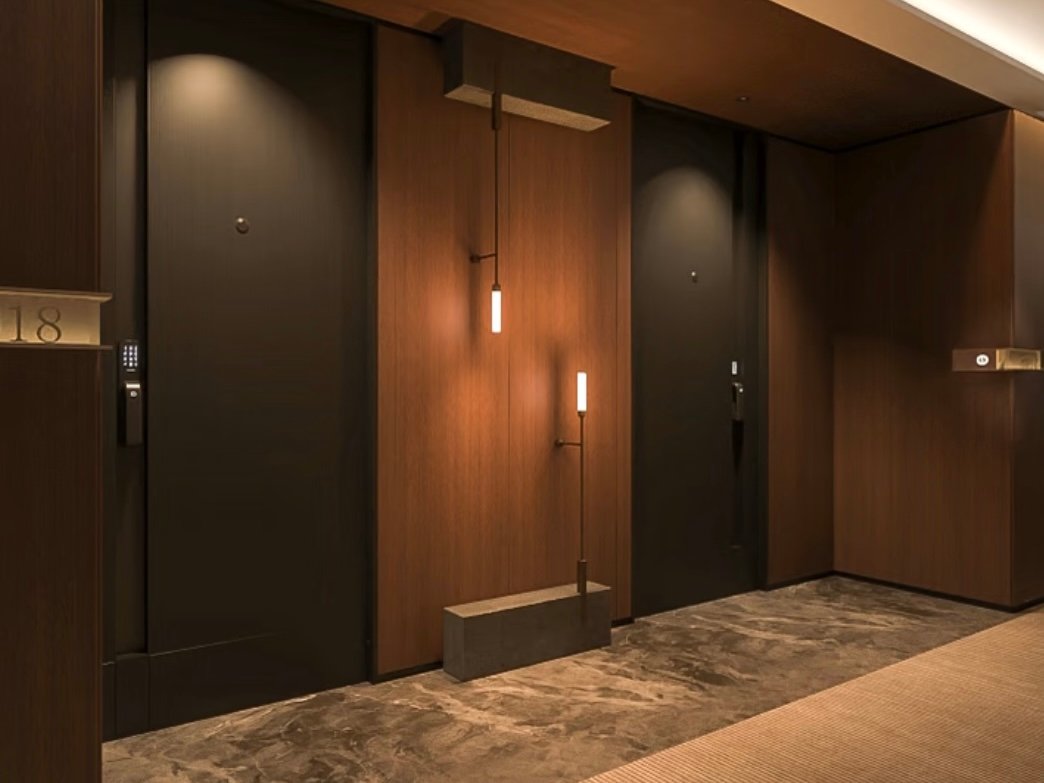
Walk through the corridor of any international hotel — a Marriott in Kuala Lumpur, a Hilton in Dubai, a boutique property in Melbourne — and the doors you pass will almost certainly be flush doors. Step into a contemporary villa in Southeast Asia or a premium serviced apartment development anywhere in the world, and you will find the same specification: smooth, flat-faced doors with no raised panels, no carved moldings, no decorative relief.
Flush doors are everywhere in modern interiors, yet many buyers — including experienced property developers and procurement managers — make decisions about them without a clear understanding of what actually separates one flush door from another. The term appears on every supplier quote, but "flush door" describes a construction principle, not a quality level. A hollow-core flush door used in a storage room and a solid-core fire-rated flush door in a five-star hotel corridor are both flush doors — and they perform completely differently.
This guide answers the question that project buyers most often need answered: what is a flush door, how is it built, what are the meaningful differences between types and specifications, and how do you choose the right one for a villa, hotel, or residential development project?
A flush door is an interior or exterior door with a completely smooth, flat surface on both faces — no raised panels, no recessed grooves, no decorative moldings. It is constructed from a core material sandwiched between two flat facing sheets, typically plywood, MDF, or hardboard, producing a uniform clean surface that suits minimalist and contemporary interior design.
This definition distinguishes flush doors from panel doors (which have raised or recessed rectangular panels on their face), carved doors (which have surface relief or decorative milling), and glazed doors (which incorporate glass panels). The defining characteristic of a flush door is the absence of any surface feature other than the flat plane itself.
Types of Flush Doors: The Core Is What Matters
The surface of a flush door tells you what it looks like. The core tells you how it performs. For project procurement decisions, core type is the most consequential specification choice.Key Advantages of Flush Doors for Project Procurement
Flush Door Applications by Room and Project Type
Standard Dimensions for Flush Doors by Market
Hardware Selection for Flush Doors
Sourcing Flush Doors for International Projects: What to Verify
The manufacturing component is where the most significant cost variation occurs. Material grade, surface treatment, and hardware specification can shift this category substantially. A clear material specification in the contract — referencing specific brands, grades, or certifications — is the most reliable way to ensure that the product you receive matches the product you priced.
FAQS
Conclusion:
According to statistics released by the General Administration of Customs of China, furniture continues to be one of China's major export categories.
Related reading:
— WPC Doors Means: The Complete Material Guide for Interior Door Buyers
— Woodwork Wardrobe: Design Styles, Materials & Custom Guide for Villa and Hotel Projects
— Turnkey Interior Solutions: The Complete Guide for Property Projects