
Blog

White Lacquer Glass Texture Kitchen Cabinets: Design Guide for Villa & Hotel Projects

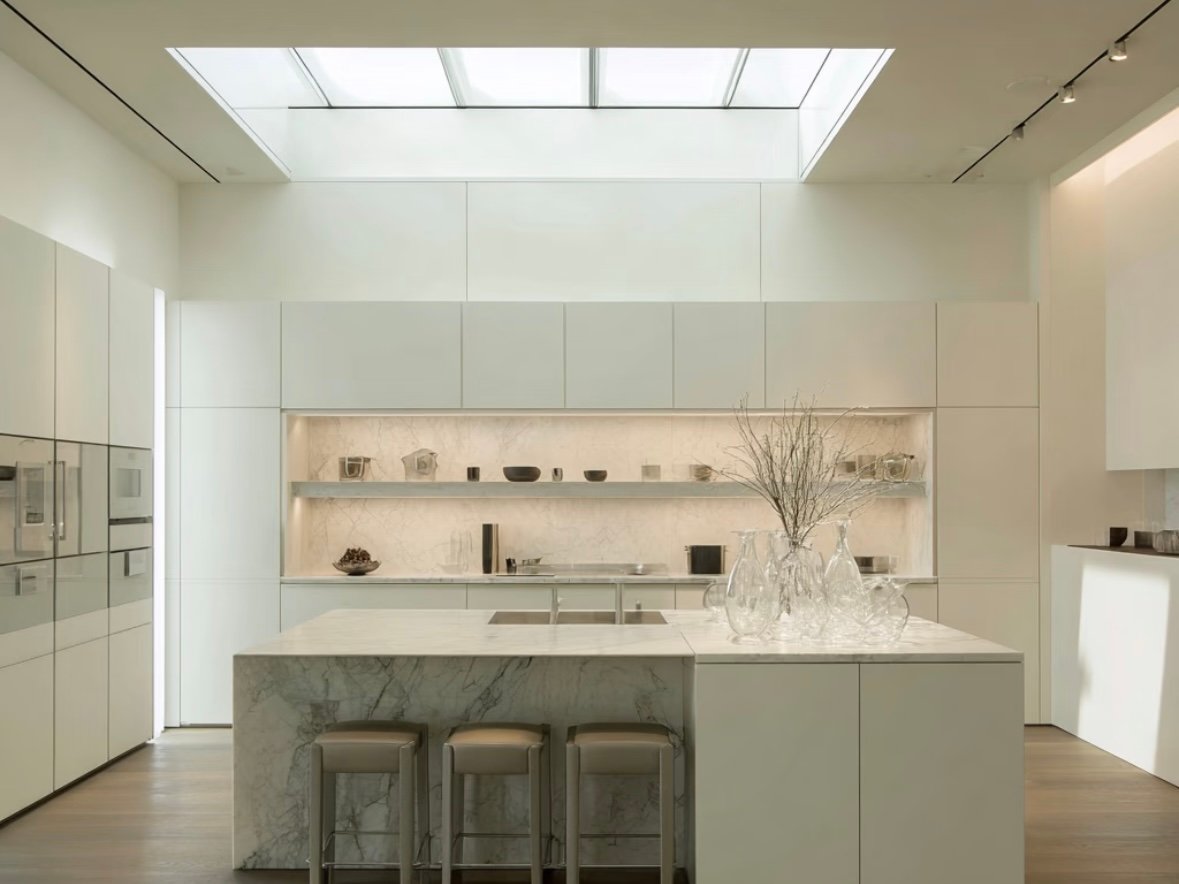
cabinet surface treatment options

In the pursuit of personalized spaces and premium living, mass-produced furniture often falls short of capturing the true essence of a home.

As modern minimalism and light luxury styles continue to dominate global design trends, high-end custom furniture has become the absolute core of creating an ideal living space.However, the custom furniture market can be highly complex.

Bridging the gap between a stunning design blueprint and the final product involves navigating materials, hardware, and craftsmanship. Here is how to choose bespoke luxury furniture like a professional designer.
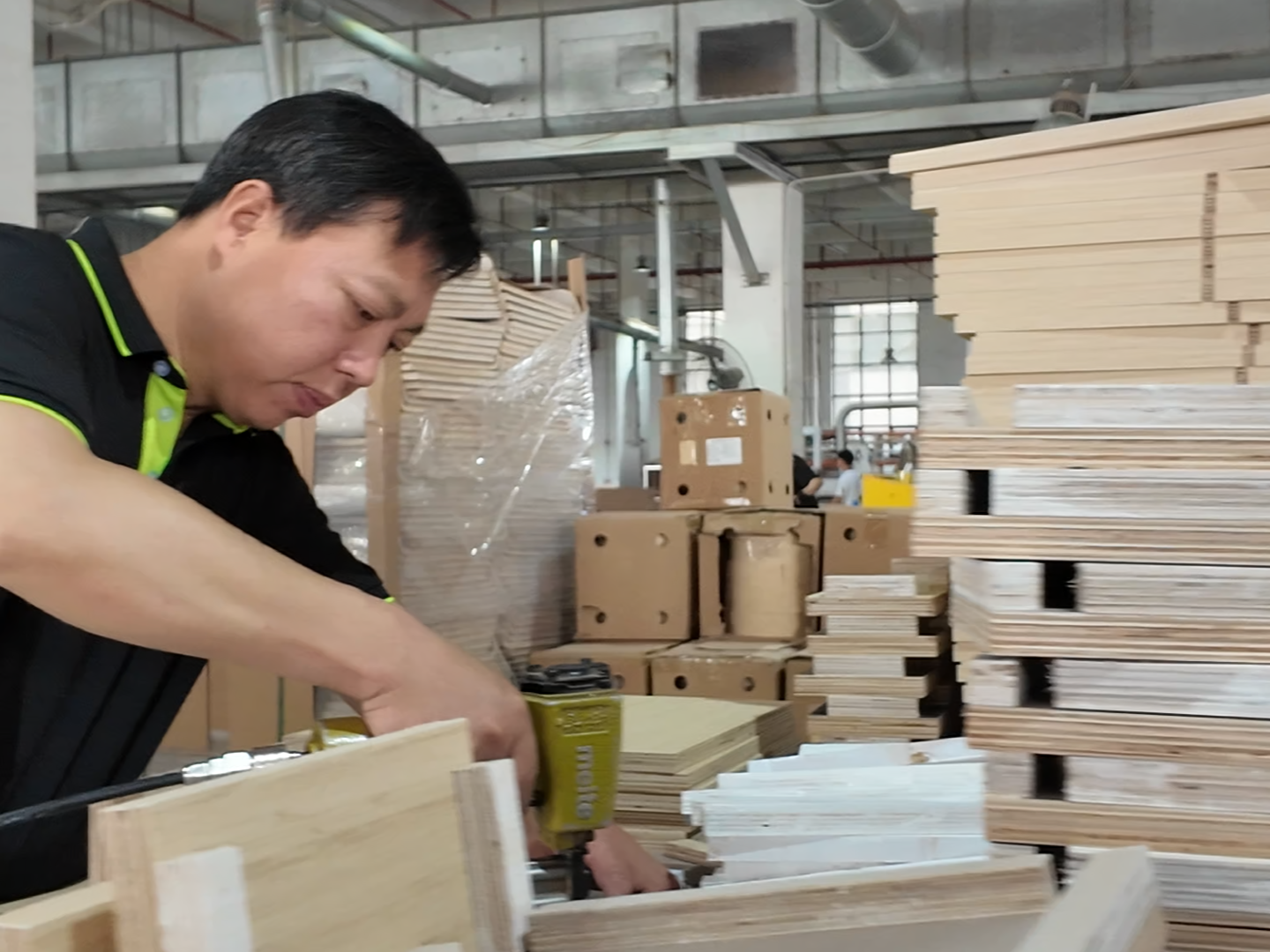
Precision furniture production and assembly process
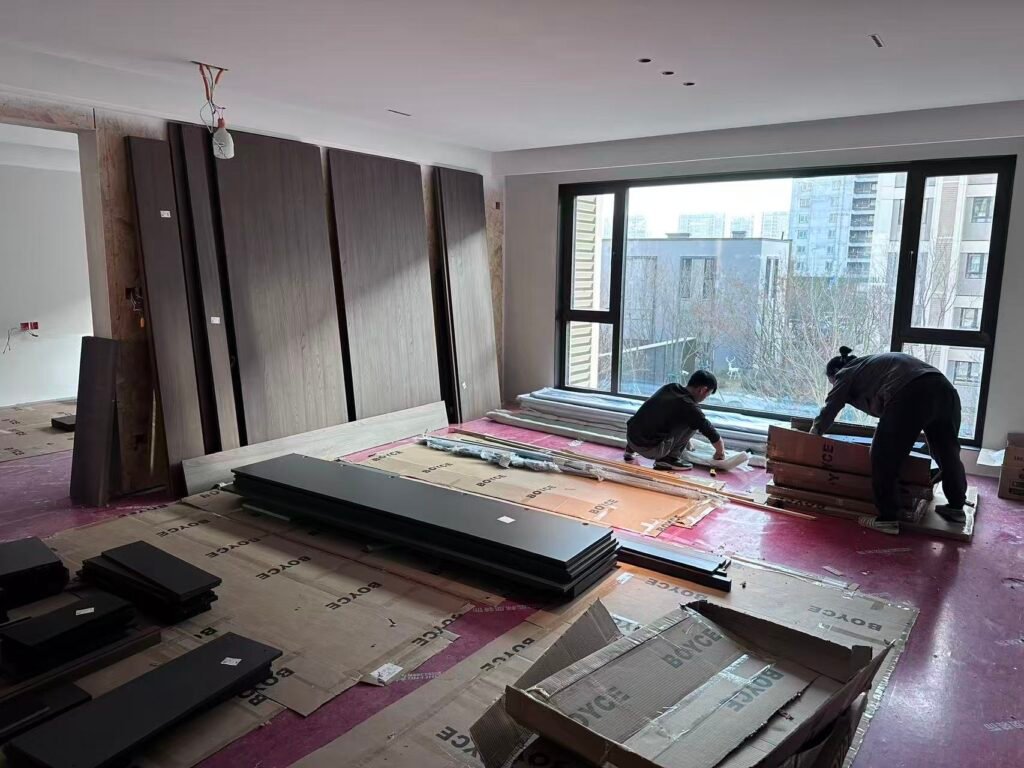
Turnkey Project Installation Site

Step into the kitchen of a well-designed villa or a boutique hotel suite and the first thing you notice is usually the cabinets. Not because they demand attention, but because they set the tone for everything else in the room. In contemporary high-end kitchen design, white lacquer cabinet surfaces paired with glass texture elements — whether real glass inserts, high-gloss acrylic panels, or embossed glass-effect coatings — have become the specification that most consistently delivers the combination of brightness, depth, and material sophistication that premium residential and hospitality projects require.

The appeal is visual, but the decisions that determine whether a white lacquer glass texture kitchen cabinet performs as well in five years as it does on installation day are material and technical. What type of lacquer finish, at what gloss level? What form does the glass texture take, and what does that mean for safety, maintenance, and long-term durability? What substrate should the cabinet body be built from, and does that answer change in a tropical climate?

This guide answers all of these questions, with specific recommendations for the villa, hotel, and residential development project types where these decisions most often need to be made correctly.
What Is White Lacquer Glass Texture for Kitchen Cabinets?

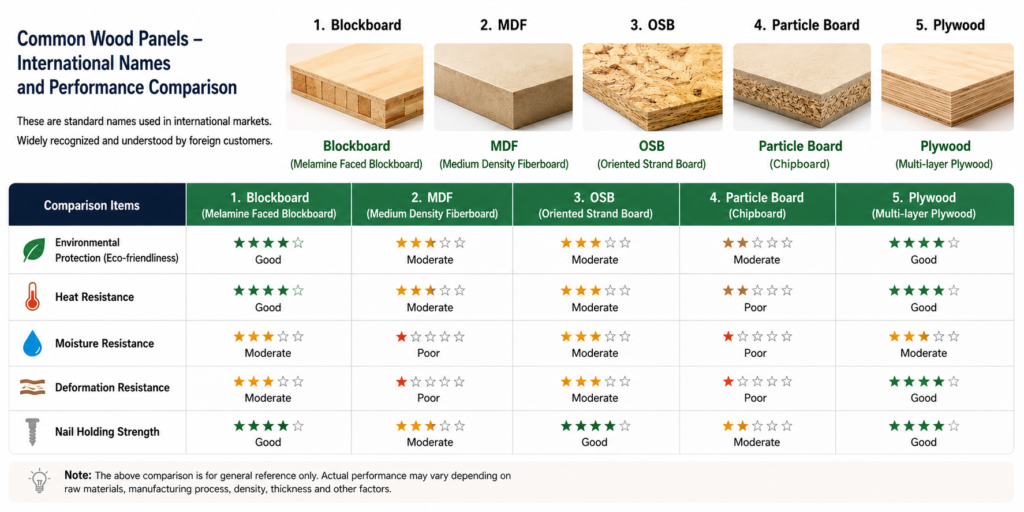
wood panel comparison blockboard mdf osb plywood particle board
The Complete Definition

White lacquer glass texture kitchen cabinets combine two distinct design elements: a white lacquer finish — a spray-applied, oven-cured paint coating that produces a smooth, uniform white surface in matte, satin, or high-gloss variants — with a glass texture effect on the door panel, achieved through real glass inserts, glass-effect acrylic panels, or embossed surface treatments that replicate the visual depth and light-reflective quality of glass within a cabinet door design.

Understanding this combination requires separating the two elements and examining each independently, because the decisions they involve are different in nature.
The lacquer finish is a material and process decision: the type of paint system used, the number of spray coats applied, the oven-cure temperature and duration, the resulting gloss level, and the hardness and chemical resistance of the finished surface. These decisions determine the durability and consistency of the white colour across the cabinet installation.

The glass texture element is a design decision: whether to use real glass panels, a synthetic glass-effect surface, or a textured coating — and within each option, what specific visual effect is desired. These decisions determine the visual character of the door, the safety profile of the installation, and the maintenance requirements over the life of the kitchen.

The Three Ways Glass Texture Is Achieved
Comparing the Three Approaches
DimensionReal Glass InsertAcrylic High-GlossEmbossed Texture Coating
Visual authenticityHighestHighModerate
Safety profileRequires laminated glassExcellent — no breakageExcellent — no breakage
Surface durabilityModerateModerate — scratches showHigh
Transport complexityHigh — requires custom cratingLowLow
CostHighestModerate to highModerate
Batch consistencyModerateHighHigh
Best project scaleBespoke villaBoutique hotel, premium villaResidential development

White Lacquer Finish: Gloss Levels and White Colour Tones

Understanding Gloss Level

Gloss level is measured in GU (Gloss Units) using a 60-degree reflectometer. The GU value describes the percentage of light reflected from the surface at a standard angle and is the only reliable way to specify and verify gloss level consistently across a production run.

Gloss CategoryGU RangeVisual CharacterDesign Context
Ultra matte0 to 5 GUChalk-like, no perceptible reflectionWabi-sabi, Japandi, Nordic
Matte5 to 20 GUSoft, low sheenModern minimalist, residential
Satin or eggshell20 to 50 GUGentle reflection, silk-likeTransitional, serviced apartment
Gloss50 to 80 GUClear reflection, luxury presenceModern luxury, boutique hotel
High gloss80 to 100 GUNear-mirror reflection, maximum impactPremium villa showroom, ultra-luxury hotel

The GU value matters in procurement because the difference between 60 GU and 80 GU is visible at normal viewing distance, and suppliers who specify "high gloss" without a numerical reference can deliver within a range that may not match the design intent. Always confirm the required GU value in writing and verify the delivered product against a calibrated gloss meter before final acceptance.

White Colour Tones and Their Design Implications

White is not a single colour. The range of white tones available in lacquer finishes spans from blue-shifted cool whites through neutral pure whites to warm cream and beige-adjacent whites, and the choice of white tone affects the entire spatial character of the kitchen.

White ToneRAL ReferenceSpatial CharacterBest Pairing
Pure whiteRAL 9010Clean, contemporary, neutralMatte black or chrome hardware, dark floors
Warm whiteRAL 9001Creamy, welcoming, organicBrass hardware, timber worktops
Cool whiteRAL 9016Fresh, Scandinavian, airyChrome hardware, grey stone surfaces
Cream whiteRAL 9003Elegant, classical, refinedGold hardware, marble worktops
Off white / chalkyBespoke mixArtistic, relaxed, JapandiNatural timber, linen textiles
High Gloss vs Matte White: The Project Buyer's Decision

The choice between high-gloss and matte white lacquer is not a question of which is better in absolute terms — it is a question of which serves the specific project context better.

DimensionHigh-Gloss WhiteMatte White
Visual effectBright, expansive, maximum luxuryQuiet, refined, contemporary sophistication
Fingerprint and water mark visibilityHigh — shows immediatelyLow — far more forgiving
Maintenance frequencyHigher — daily wiping recommendedLower — weekly sufficient
Photography performanceExceptional under professional lightingNatural, even under everyday light
Natural light requirementBenefits significantly from good natural lightPerforms equally well across light conditions
Project recommendationPremium villa showcase kitchens, boutique hotel photographic roomsDaily-use kitchens, hotel operations, residential development
Long-term appearanceExcellent if maintained; shows wear if notConsistent across the years with minimal attention

For hotel projects specifically, the operational reality of high-gloss white requires honest consideration. A kitchen that looks spectacular in the hotel photography will require daily staff attention to maintain that appearance. Matte or satin white finishes deliver a sophisticated appearance that is far more forgiving of the inevitable contact marks of hospitality use.

Glass Texture Design Options in Detail

Fully transparent glass panels showcase cabinet interiors and create visual depth. Best suited for upper cabinets in luxury villas and hotels where decorative tableware or glassware becomes part of the kitchen design.

  • ✔ Highest visual authenticity
  • ✔ Creates display opportunities
  • ✔ Ideal for premium villas
  • ✖ Requires organized storage

Allows light into cabinets while concealing contents. A practical solution for everyday kitchens and hotel kitchenettes where appearance matters but storage cannot always remain perfectly organized.

  • ✔ Soft contemporary appearance
  • ✔ Conceals cabinet contents
  • ✔ Premium hotel solution
  • ✔ Multiple opacity options

Decorative textured glass introduces movement and craftsmanship through reeded, fluted, diamond or custom patterns. Frequently specified for luxury villa kitchens with traditional or transitional styling.

  • ✔ Decorative visual effect
  • ✔ Rich light reflection
  • ✔ Traditional & luxury styles
  • ✔ Premium architectural feature

Mirror-like reflective surfaces (90–100 GU) maximize brightness and perceived space. Best for showroom kitchens and premium photography environments where visual impact outweighs long-term wear.

  • ✔ Glass-like reflection
  • ✔ Maximum brightness
  • ✔ Luxury showroom appearance
  • ✖ Scratches become visible over time

Replicates textured glass using embossed coatings instead of real glass. Offers excellent consistency, durability and transport safety for large residential developments.

  • ✔ No breakage risk
  • ✔ Easy transportation
  • ✔ Consistent mass production
  • ✔ Cost-effective alternative

Design Style Applications

Modern Minimalist

+

Flat-panel white lacquer cabinetry creates clean architectural lines by eliminating visual clutter. Frosted glass inserts should be used selectively to introduce depth while preserving spatial simplicity.

  • White Tone: Pure White / Cool White
  • Gloss: Matte or Satin
  • Glass: Frosted Glass
  • Best For: Minimalist Homes

Modern Luxury

+

Warm white lacquer provides the backdrop for marble, brass and decorative lighting. Reeded or patterned glass introduces craftsmanship and visual richness.

  • White Tone: Warm White / Cream White
  • Gloss: High Gloss
  • Glass: Reeded or Patterned
  • Best For: Luxury Villas

Scandinavian & Nordic

+

Designed to maximize natural daylight through matte white finishes, frosted glass inserts and natural timber accents that create warmth without visual heaviness.

  • White Tone: Cool White / Pure White
  • Gloss: Matte
  • Glass: Frosted Glass
  • Best For: Nordic Interiors

Contemporary Transitional

+

Contemporary cabinet profiles combined with clear glass display cabinets create warmth while maintaining clean modern proportions.

  • White Tone: Warm White
  • Gloss: Satin
  • Glass: Clear Glass
  • Best For: Family Kitchens

Project-Specific Recommendations

Luxury Villa Kitchens

Recommended Specification

  • Hardwood plywood substrate (E0 grade)
  • High-gloss or satin white lacquer
  • UV-stable pigments
  • Real laminated glass inserts

Glass Recommendation

Laminated safety glass is preferred because the bonded interlayer keeps fragments together after impact, making upper cabinets safer while maintaining premium clarity.

Hardware

  • Brushed gold or matte black finishes
  • Blum or Hettich soft-close systems
  • Premium tactile operation

Ideal For

Luxury villas in Southeast Asia and the Middle East where humidity, sunlight and long-term durability are critical.

Boutique Hotel Kitchen Suites

Recommended Finish

  • Matte or satin white lacquer
  • Frosted glass inserts
  • Commercial cleaning friendly

Maintenance

Matte finishes hide fingerprints and daily wear far better than high-gloss surfaces, reducing cleaning workload throughout hotel operations.

Quality Control

  • Confirmed RAL colour reference
  • Delta E ≤ 1 batch control
  • Same production lot
  • Spectrophotometer verification

Hardware Standard

Specify soft-close hinges and drawers rated for at least 100,000 operating cycles for long service life.

Residential Development Kitchens

Recommended Specification

  • Moisture-resistant MDF
  • Matte or satin white lacquer
  • Embossed glass texture coating

Advantages

Embossed coatings deliver the appearance of textured glass while eliminating breakage risk, reducing shipping weight and improving production efficiency.

Moisture Strategy

Use HMR MDF for most cabinets while upgrading sink and dishwasher base cabinets to hardwood plywood for additional moisture resistance.

Best For

Large residential developments of 100–500 units where consistent appearance and cost efficiency are equally important.

Material Specifications and Quality Standards

Lacquer Quality Assessment

The quality of a white lacquer finish is determined by the paint system specification, the application process, and the curing conditions. These factors are not visible in the finished product but determine how the surface performs over years of use.

Quality ParameterStandard ProductionPremium Specification
Total film thickness60 to 80 microns120 microns and above
Surface pencil hardness1H2H to 3H
Gloss uniformity (batch)Delta GU above 3Delta GU 1 or below
Colour consistency (batch)Delta E above 2Delta E 1 or below
UV yellowing resistanceNot testedUV-stabilised pigment — documented test
Chemical resistanceStandard cleaner 30 secondsStandard cleaner 24 hours no change
Curing processSingle coat, single bakeMultiple coats with intermediate baking

Glass Insert Specifications

+

Glass Type

Laminated safety glass with a PVB interlayer is recommended for all kitchen cabinet applications. It remains intact after impact, offering greater safety than standard toughened glass.

Recommended Thickness

  • 4 mm — Inserts below 400 mm.
  • 6 mm — Standard cabinet doors.
  • 8 mm — Panels wider than 600 mm.

Frame Sealing

Seal the glass perimeter with quality silicone to prevent moisture penetration, particularly in humid climates.

Maintenance

Removable glass inserts simplify long-term cleaning of upper cabinets exposed to cooking vapour.

White Colour Control

+

Essential Quality Checklist

  • Confirm the exact RAL colour reference.
  • Approve a physical 100 × 100 mm sample.
  • Evaluate under daylight and installed lighting.
  • Specify Delta E ≤ 1.0 in writing.
  • Use one production batch for the entire project.
  • Require spectrophotometer verification before shipment.

Substrate & Formaldehyde Standards

+

Recommended Construction

  • Hardwood plywood for cabinet carcasses.
  • MDF for lacquered door panels.
  • E0 formaldehyde certification.

Why This Combination?

Plywood delivers structural strength and moisture resistance, while MDF provides the exceptionally smooth surface required for premium white lacquer finishes.

Material Specifications and Quality Standards

The hardware selection for a white lacquer kitchen — particularly the visible handle or pull — is the detail that most directly communicates the design direction of the space. White lacquer is neutral enough to work with almost any hardware finish, but certain pairings are more resolved than others.

Hardware FinishVisual Relationship to White LacquerDesign Context
Matte blackStrong contrast, emphatically contemporaryModern minimalist, industrial-influenced
Brushed goldWarm contrast, refined luxuryModern luxury, contemporary classical
Rose goldSoft warm contrast, feminine eleganceBoutique residential, premium apartment
ChromeCool metallic, clean and neutralScandinavian, contemporary transitional
Brushed nickelWarm neutral, versatileTransitional, residential development
Handleless (integrated profile)Maximum minimalism, architecturalPure minimalist, Japandi

Hardware cycle ratings should be specified by project type:
For villa kitchens, hinge and drawer runner systems rated to 80,000 cycles minimum. European-specification systems from Blum and Hettich are the most widely used benchmarks, with soft-close damping on all moving components as the minimum standard.For hotel kitchen suites, 100,000 cycles minimum — corresponding to approximately 15 years of hotel occupancy at typical use rates. In Gulf climate markets, confirm that damper systems are rated for the temperature range that applies in the installation environment.

Maintenance: Keeping White Lacquer Glass Texture Kitchens Looking Their Best

Daily Care for High-Gloss White Surfaces

High-gloss white lacquer is the most demanding kitchen surface to maintain in consistent good condition. The surface shows fingerprints, water marks, and fine contact marks immediately, and the contrast between a clean area and a marked area is very visible on a white high-gloss surface.

Daily wiping with a soft, lint-free microfibre cloth — dry or very lightly dampened — removes fingerprint oils and water marks before they have time to bond to the surface. Cleaning products with abrasive particles or solvents should not be used on lacquer surfaces; a mild soapy solution applied gently and immediately wiped off is adequate for grease marks.

The most common cause of premature high-gloss surface wear in kitchen environments is using rough cleaning materials — the abrasive side of kitchen sponges, scouring pads, or paper towels — on the surface. These create fine scratches that accumulate into a general dullness that is particularly visible on high-gloss white.

Care for Glass Inserts

Clear and frosted glass panels can be cleaned with standard glass cleaning products applied with a microfibre cloth. Streak-free glass cleaner works well and is more effective than soapy water for leaving a clear, even surface.

Patterned or textured glass surfaces require particular attention to the recesses of the texture, where cooking vapour and grease can accumulate over time. A soft brush — a clean paintbrush or a soft toothbrush — is effective for working cleaning product into texture recesses without scratching the glass surface.

Anti-Yellowing and Long-Term Appearance

The primary long-term concern with white lacquer kitchen cabinets is yellowing — the gradual shift of the white surface towards a cream or yellow tone under UV light exposure and at elevated temperatures. Not all white lacquer products yellow at the same rate; the UV-stabilised pigments used in quality lacquer systems significantly slow this process.

When procuring white lacquer cabinets from any supplier, request documentation of the anti-yellowing specification of the paint system — specifically whether UV-stabilised titanium dioxide pigments are used, and whether the product has been tested against an accelerated UV yellowing standard. This documentation is available from quality paint system manufacturers and should be provided as standard with any premium white lacquer specification.


FAQS

What is white lacquer glass texture for kitchen cabinets?

White lacquer glass texture kitchen cabinets combine a white lacquer finish — a spray-applied, oven-cured paint coating in matte, satin, or high-gloss variants — with glass texture elements at the door panel, achieved through real glass inserts, high-gloss acrylic panels, or embossed surface coatings that replicate the visual depth and light-reflective quality of glass. The combination produces kitchens that are simultaneously bright and visually layered, making it the dominant specification for contemporary high-end residential and hospitality kitchen design.

High-gloss lacquer is a spray-applied paint system cured at high temperature over an MDF substrate — it offers a very wide colour range, good edge durability, and gloss levels up to approximately 90 GU. Acrylic high-gloss applies an acrylic sheet to the panel substrate, producing gloss levels of 90 to 100 GU with a reflectivity that approaches a mirror surface. Acrylic appears brighter and more intensely reflective but is more susceptible to surface scratching. Lacquer offers better edge performance and more colour flexibility; acrylic offers higher maximum gloss. For most villa and hotel kitchens, UV-cured high-gloss lacquer is the more practical specification.

White lacquer cabinets made with UV-stabilised pigments — specifically UV-stabilised titanium dioxide — are highly resistant to yellowing and will maintain their white tone for many years under normal interior conditions. Products made with non-UV-stabilised pigments can begin to show noticeable yellowing within two to five years. Always request anti-yellowing test documentation from the supplier before committing to a white lacquer specification, particularly for high-gloss products where yellowing is most visible.

When specified as laminated safety glass — two glass layers bonded with a PVB interlayer — cabinet door glass inserts are safe in kitchen environments. Laminated glass does not shatter into sharp fragments on impact; it cracks but remains held together by the interlayer. For any kitchen glass insert at or below eye level, and for any large-format glass panel regardless of height, laminated safety glass is the appropriate specification.

The best white for a specific kitchen depends on the lighting conditions and the other materials in the space. Pure white (RAL 9010) is the most neutral and works across the widest range of contexts. Warm white (RAL 9001) reads best under warm lighting and pairs naturally with timber and gold hardware. Cool white (RAL 9016) is most effective in spaces with good natural light and benefits Scandinavian and Nordic design approaches. There is no universally best white — the choice should be made by reviewing a physical colour sample under the actual lighting conditions of the intended installation.

White consistency across a large batch requires a structured control process: confirm a specific RAL colour reference number before production, approve a physical colour sample in the specified gloss level, agree a written batch Delta E tolerance of 1.0 or below, ensure all production runs from the same material lot, and require a pre-shipment spectrophotometer colour verification report. Skipping any of these steps introduces colour variation risk that cannot be reliably controlled through inspection alone.

Conclusion:

Related reading:
White Lacquer Glass Texture Kitchen Cabinets: Design Guide for Villa & Hotel Projects
Which Material Is Best for Kitchen Cabinets? Complete Guide for Villa & Hotel Projects
Cabinetry Factory: How to Choose the Right Custom Cabinet Manufacturer for Villa and Hotel Projects
Woodwork Wardrobe: Design Styles, Materials & Custom Guide for Villa and Hotel Projects
Turnkey Interior Solutions: The Complete Guide for Property Projects
What Is a Flush Door? Complete Guide to Types, Materials & Project Applications
Hotel Fit-out Projects: Case Studies and Delivery
Villa Fit-out Projects: Full-House Interior Solutions
Let’s Discuss, Your Project.

Tell us about your project requirements and we’ll connect you with the right team. We typically respond within 24 hours on business days.

Call / WhatsApp
Offices
Located on Central Avenue, Nanhai District, Foshan City, Guangdong Province

Start a Conversation

Fill in your details and we’ll be in touch shortly.


Scroll to Top