Windows do more than let in light and air. In villa, hotel, and commercial projects, window design shapes the entire feel of a facade — and how a room performs day to day.Get it right, and a space feels open, well-lit, and effortless. Get it wrong, and even the best interior design can feel flat or uncomfortable.
the most common window design styles by purpose, the practical factors worth considering before specifying windows for a project, and where custom design typically comes into play.
Quick Answer: What Makes a Good Window Design?
Good window design balances four things: natural light, ventilation, privacy, and architectural style — all shaped by the local climate and building requirements. The right combination depends on the room’s purpose, not just its appearance.The sections below break these down by category, so you can match window styles to specific spaces.
Window Design Ideas by Purpose
Rather than listing window types at random, it helps to group them by what they're actually solving for — light, airflow, shape, privacy, or a specific project setting.
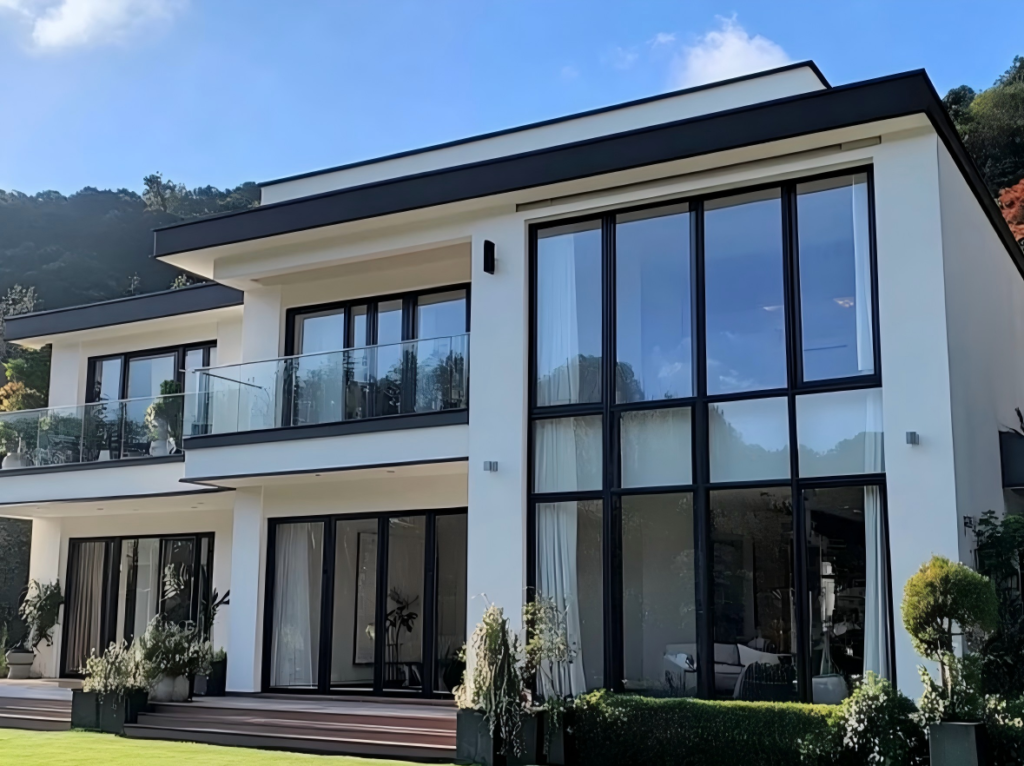
Floor-to-Ceiling Windows Full-height glass panels that flood a room with natural light and blur the line between indoor and outdoor space. A favorite for modern living rooms and villa lobbies.
Picture Windows Large, fixed panes that frame outdoor views like artwork. No moving parts — just maximum glass and minimal frame.
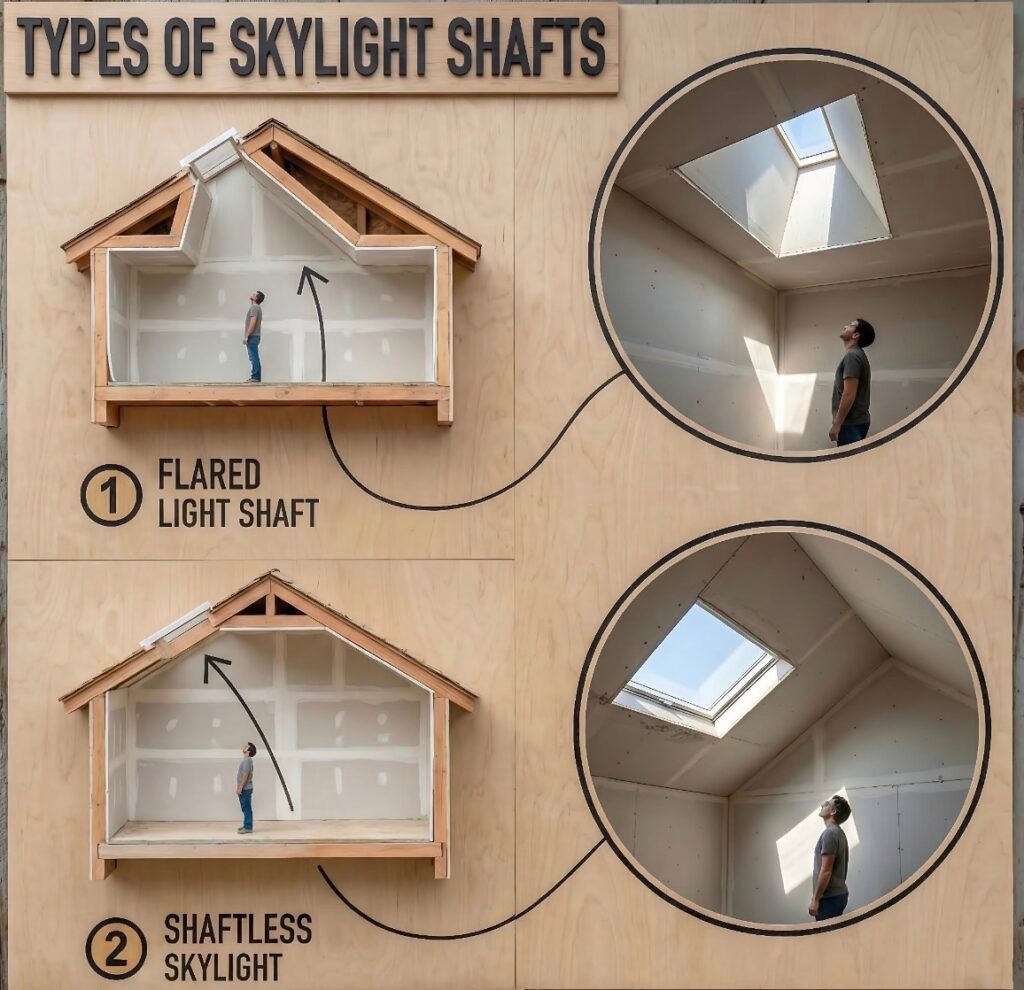
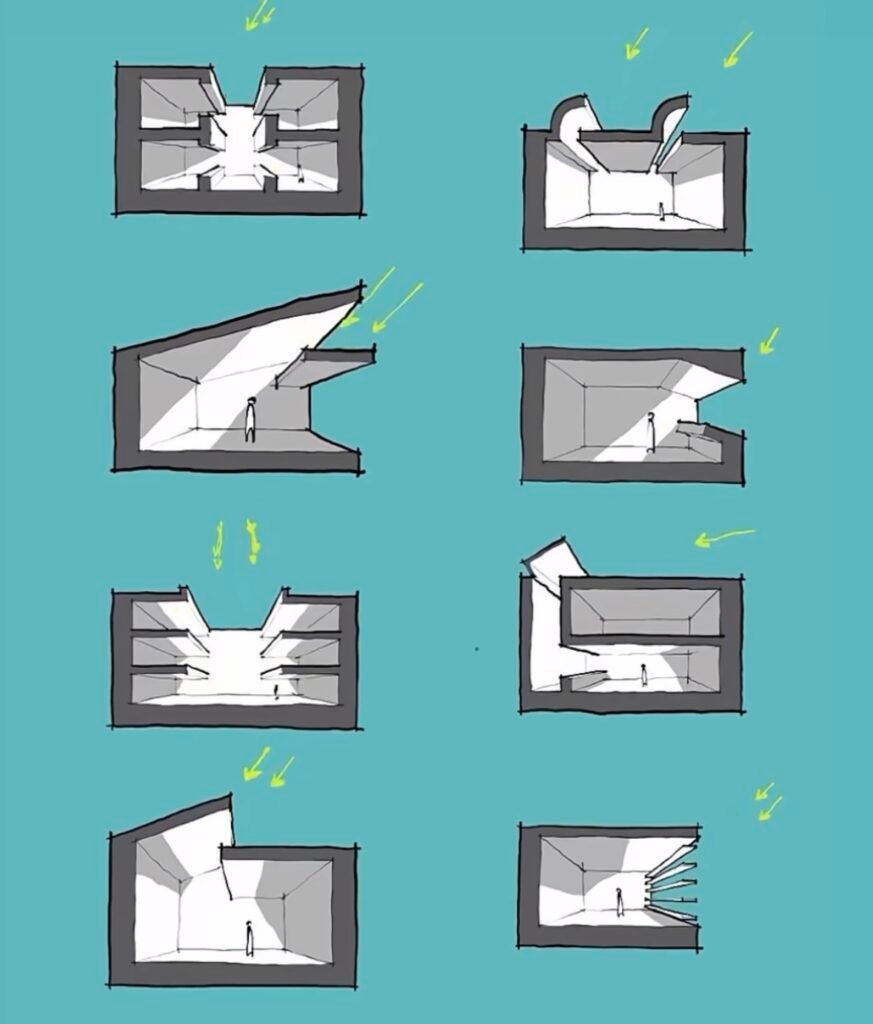
Skylights Roof-mounted glazing that brings daylight into spaces without exterior walls, such as stairwells or interior bathrooms.
Transom Windows Narrow windows placed above doors or other windows, ideal for adding light to high-ceiling entryways without compromising privacy.
Function & Ventilation
Sliding Windows Horizontal operation that saves space — practical for kitchens, balconies, and rooms with limited swing clearance.
Tilt-and-Turn Windows Opens inward for cleaning or tilts for gentle ventilation. A popular safety-conscious choice for family homes and guest rooms.
Awning Windows Hinged at the top and opens outward, allowing ventilation even during light rain — useful in humid or coastal climates.
Louver Windows Adjustable slats that control airflow and light independently, common in tropical climates or spaces needing flexible privacy.
Shape & Architectural Style
Arched Windows A softer, classical silhouette that works well in both traditional and contemporary facades.
Corner Windows Two glass panes meeting at a building’s corner, offering dual-direction views and a distinctly modern look.
Custom-Shaped Windows Round, triangular, or irregular shapes used as design focal points — often reserved for statement rooms or unique architectural features.
Multi-Pane Windows A grid of smaller panes within one frame, giving a classic, structured look that suits both heritage and modern builds.
Glass & Privacy Solutions
Double-Glazed Windows Two glass layers with an insulating air gap — improves thermal performance and reduces outside noise.
Frosted or Tinted Glass Maintains light while obscuring the view, well suited to bathrooms, ground-floor rooms, or street-facing facades.
Glass Partitions Used indoors to divide open-plan spaces without closing them off, keeping light flowing between rooms.
Project-Specific Applications
learn more
Grand Entryway Windows Large windows framing the front door create a strong first impression — a common feature in villa design.
Guest Room Windows Hotel rooms typically balance privacy and light using tinted glass, layered curtains, or recessed window placement.
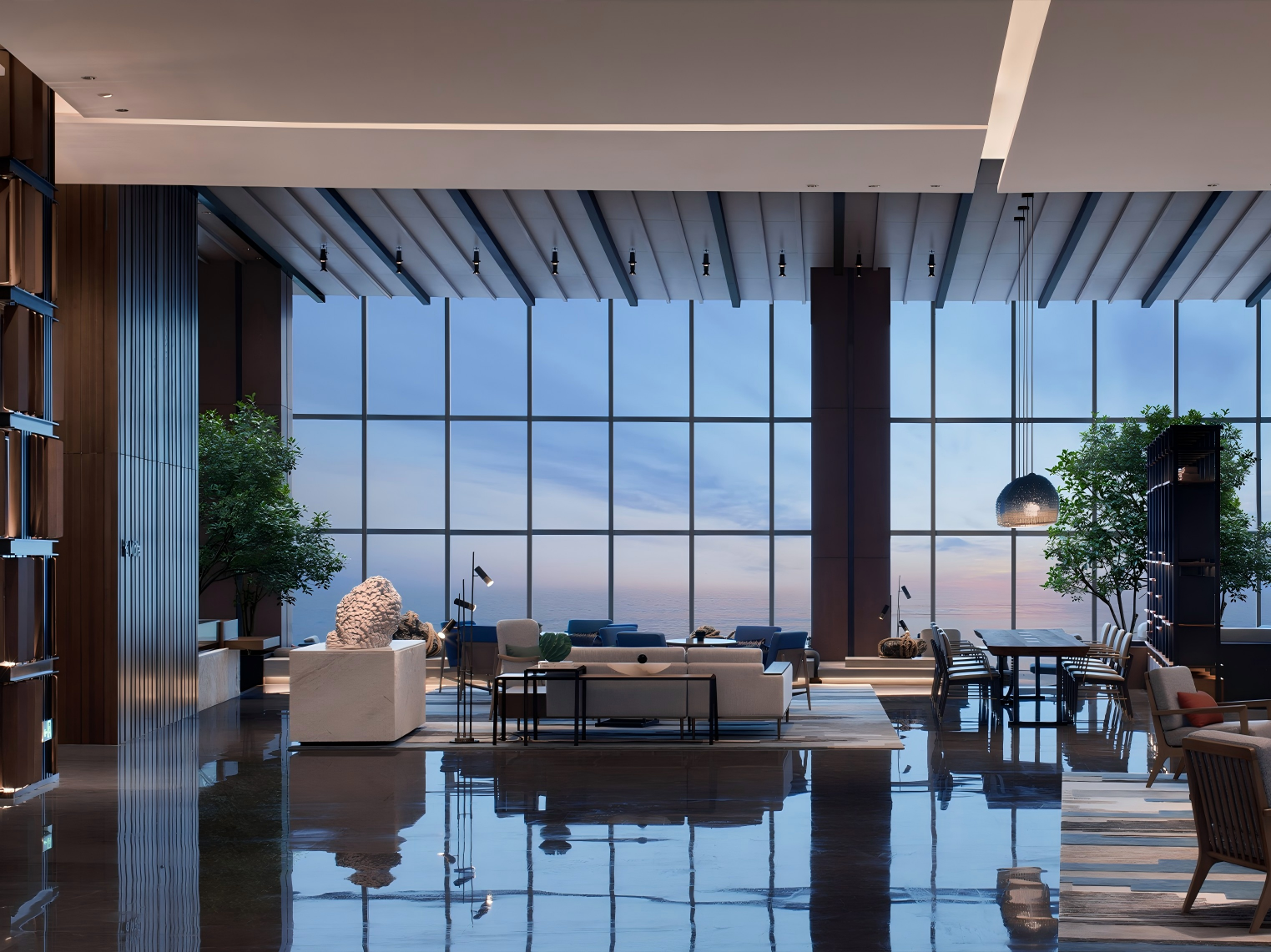
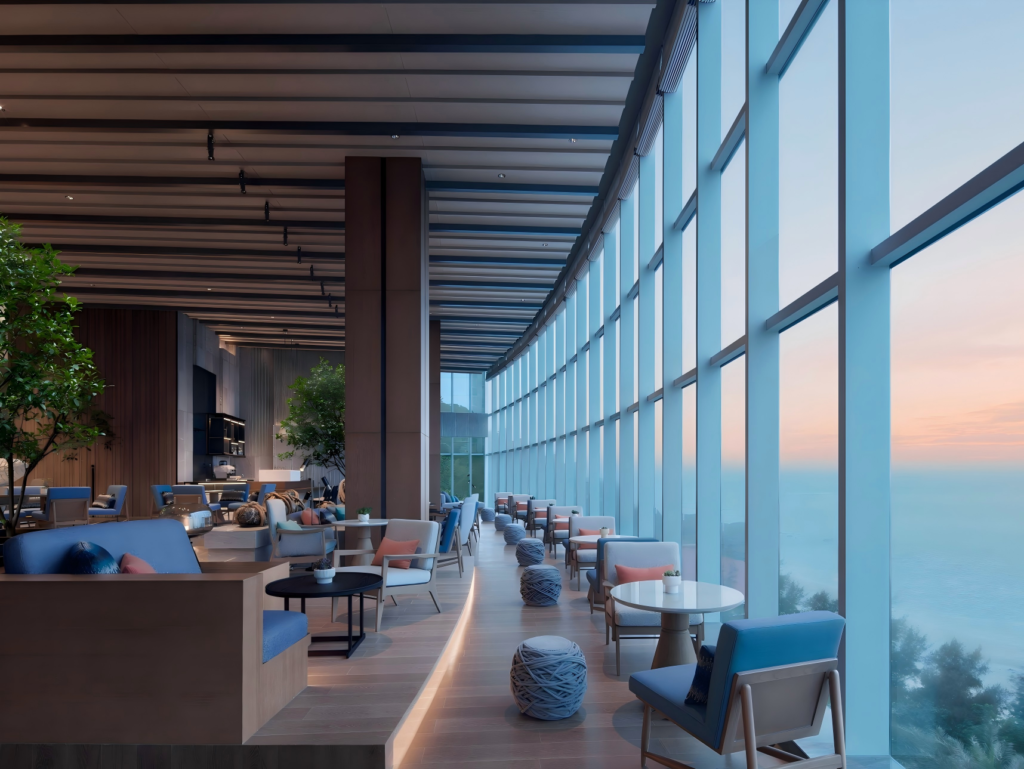
Lobby & Public Area Glazing Expansive glass walls or curtain wall systems are common in hotel lobbies and commercial entrances, connecting interior and exterior spaces at scale.
Key Factors When Specifying Windows for Projects
Before finalizing window design for a villa, hotel, or commercial project, work through these eight factors:
1. Natural light & orientation Which direction a room faces determines how much daylight it receives — and which window style makes the most of it.
2. Ventilation & local climate Humid or tropical climates often call for louvered or awning windows; colder regions lean toward sealed, double-glazed options.
3. Privacy requirements Street-facing facades and guest rooms need different privacy solutions than a private villa courtyard.
4. Architectural consistency Window style should match the building’s overall design language — mixing too many shapes can feel disjointed.
5. Energy efficiency & glazing standards Double glazing and Low-E coatings affect both comfort and long-term energy costs.
6. Local building codes Window size, safety glazing, and egress requirements vary by country and should be confirmed early.
7. Unit consistency (mm vs inch) For international projects, confirm early whether drawings use metric or imperial units — mismatches are a common source of costly delays.
8. Budget & lead time for custom designs Custom shapes and sizes typically take longer to produce and cost more than standard window units.
Window Glass & Frame Materials
| Type | Best For |
|---|
| Double-glazed glass | Insulation, noise reduction, energy efficiency |
| Low-E glass | Heat control while maintaining natural light |
| Frosted glass | Privacy without sacrificing brightness |
| Aluminum frames | Durable, modern look, suits contemporary and industrial styles |
| uPVC frames | Strong thermal insulation, low maintenance |
| Wood frames | Warm, traditional aesthetic; needs more upkeep |
For larger projects, frame material is often planned alongside the building's overall facade — so it's worth deciding early rather than room by room.
Custom Window Design for Large-Scale Projects
learn more
Standard window sizes and shapes don't always fit villa, hotel, or commercial builds — especially with non-standard facades or design-led architecture..
HereA typical custom window workflow looks like this:
- Drawing confirmation — reviewing openings, shapes, and units (mm/inch)
- Sample approval — checking glass type, frame finish, and hardware
- Batch production — manufacturing to the confirmed specification
- Quality inspection — verifying dimensions and glazing before shipment
- Logistics & delivery — coordinated to the project timeline
Coordinating windows, doors, and interior fittings through a single supplier also helps keep material tones and finishes consistent across a project — a detail that's easy to lose when sourcing piecemeal.
FAQS
Conclusion:
Explore our Kitchen Cabinets and Wardrobe collections to see factory-direct cabinetry for villa and hotel projects, or contact our team for a project-specific consultation and quote.
Related reading:
— White Lacquer Glass Texture Kitchen Cabinets: Design Guide for Villa & Hotel Projects
— Which Material Is Best for Kitchen Cabinets? Complete Guide for Villa & Hotel Projects
— Cabinetry Factory: How to Choose the Right Custom Cabinet Manufacturer for Villa and Hotel Projects
— Woodwork Wardrobe: Design Styles, Materials & Custom Guide for Villa and Hotel Projects
— Turnkey Interior Solutions: The Complete Guide for Property Projects
— What Is a Flush Door? Complete Guide to Types, Materials & Project Applications
— Hotel Fit-out Projects: Case Studies and Delivery
— Villa Fit-out Projects: Full-House Interior Solutions