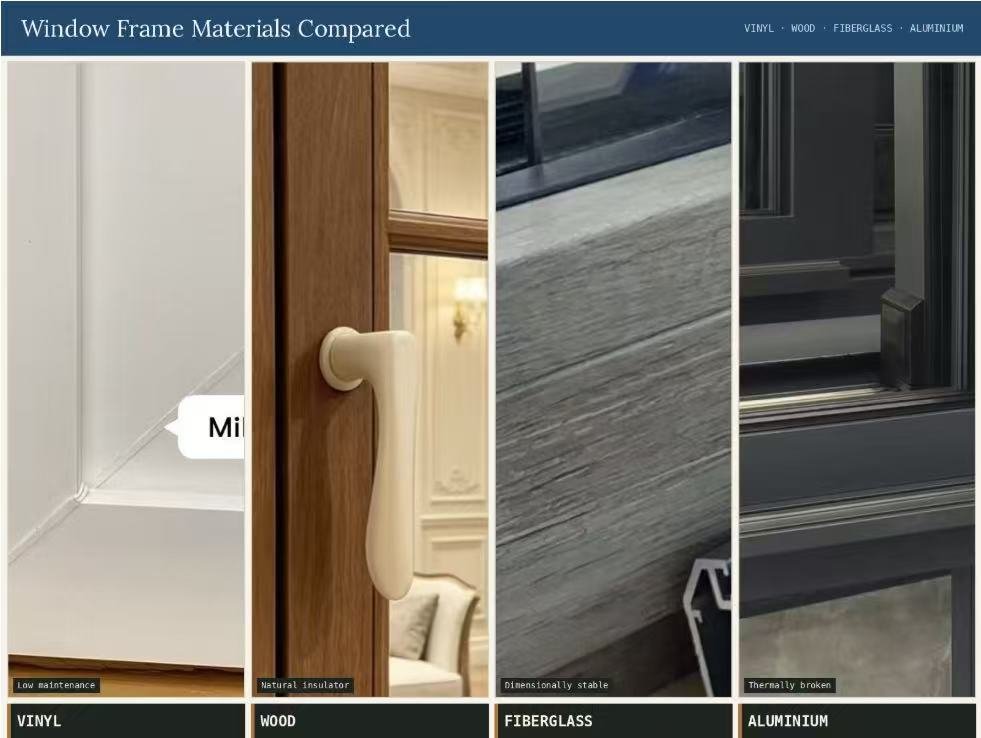
Window and Door Materials
The material decision — vinyl, wood, fiberglass, aluminium, aluminium-clad wood, composite — determines cost, maintenance, and how the unit performs in your specific climate more than any other single choice. This is also where marketing language (“premium,” “energy-smart”) tends to hide the actual numbers that matter: thermal performance, moisture resistance, and structural stability.
Window and Door Cost
Cost varies enormously by material, size, glazing, and — for project-scale orders — by whether you're buying retail-style per unit or negotiating a factory-direct volume rate. Per-square-foot or per-linear-foot pricing is a useful starting reference, but the real cost driver on any meaningful order is usually the hardware and glazing package, not the frame material itself.
Window and Door Installation
Installation quality determines whether a well-specified window actually performs as rated. A correctly chosen, well-manufactured window with a poor installation — bad flashing, inadequate sealing, wrong rough opening tolerance — will underperform a modest window installed correctly. Installation timeline and sequencing matter more at project scale, where dozens of openings need to go in on a schedule that matches the building’s overall construction sequence.
Window and Door Sizing
Standard sizing exists, but “standard” varies by market and manufacturer, and most real projects — especially villas and custom hospitality builds — end up specifying at least some non-standard openings. Getting the rough opening, egress requirements (where applicable), and finished-size tolerances right before production is far cheaper than correcting it after a wall is framed.
Types of Windows and Doors
Casement, awning, single-hung, double-hung, sliding, French, bifold, pivot — each type suits a different combination of ventilation need, cleaning access, and design language. The right type is rarely about which one is “best” in the abstract; it’s about which one matches the room, the climate, and how the space is actually used.
Window and Door Warranty & Maintenance
Warranty terms vary widely — some cover the frame only, some cover glass seal failure and hardware separately, and claim processes range from straightforward to genuinely difficult. Maintenance requirements differ just as much by material and climate: what protects a window in a temperate, dry climate is not the same as what protects one in sustained tropical humidity or Gulf heat.
Energy Efficiency & Performance
U-factor, SHGC (solar heat gain coefficient), and glazing configuration determine how much a window or door actually costs you in cooling or heating load over its lifetime — a number that matters far more in hot climates than the sticker price difference between two glazing options ever will.
Sourcing for Developers & Contractors
Project-scale buyers face a different set of problems entirely: batch consistency, lead time planning, factory-direct versus distributor pricing, and technical documentation for architects and specifiers. This is the least-served topic across the entire windows and doors content landscape — most manufacturer sites treat it as a resource-download page, not a real guide.
How to use this guide — if you’re a homeowner comparing options for one project, start with Materials, then Cost, then Types. If you’re a developer or contractor specifying at scale, start with Sourcing, then Materials, then Energy Efficiency — the buying logic is genuinely different between the two audiences, and most guides online don’t separate them.
Explore Each Topic in Depth
Window & Door Materials and Glass Technology
Vinyl vs. fiberglass vs. wood vs. aluminium, Low-E coatings, and double- vs. triple-pane glazing — with real performance numbers.
READTHE GUIDE
Energy Efficiency & Performance
U-factor, SHGC, and glazing configuration explained — and why the “energy efficient” label alone tells you almost nothing.
READTHE GUIDE
Window & Door Sourcing for Developers and Contractors
Factory-direct vs. distributor pricing, batch consistency, lead time planning, and technical documentation for project-scale orders.
READTHE GUIDE
Window & Door Cost and Pricing Guide
What actually drives price — and where the real cost differences hide.
Window & Door Installation Guide
DIY vs. professional installation, timelines, and what determines whether a good window performs as rated.
Window & Door Sizing and Measurement Guide
Standard sizes, custom openings, and measurement tolerances that matter before production.
Types of Windows and Doors
Casement, awning, sliding, French, bifold, pivot — matched to room, climate, and use case.
Window & Door Warranty and Maintenance
What warranty terms actually cover, claim processes, and climate-specific maintenance.
Sourcing a Coordinated, Consistent Package at Scale
At BoyceCasa, multi-unit kitchen cabinet orders for Singapore projects are produced against a retained master sample with color and finish verified batch to batch, and production schedules are sequenced to match each project’s actual block-by-block installation plan — not delivered as a single undifferentiated bulk order. This same batch-consistency discipline extends across our wardrobe and interior doors lines for multi-unit developments, including hospitality projects such as our hotel fit-out and villa fit-out work.
Specifying windows and doors for a villa or hotel project? Start with the sourcing guide — the factory-direct process changes almost everything else on this page.
FAQS
Explore our Kitchen Cabinets and Wardrobe collections to see factory-direct cabinetry for villa and hotel projects, or contact our team for a project-specific consultation and quote.
Related reading:
Standard Door Width, Frame Size & Rough Opening Guide
Standard Door Sizes in mm: Width, Height & Dimensions Guide
Door Rough Opening Size: The Complete Chart & Sourcing Guide
Windows and Doors: A Complete Buying & Sourcing Guide
Doors and Windows Purchasing Guide
Aluminium Doors &Windows for Hot Climate Projects