
In the pursuit of personalized spaces and premium living, mass-produced furniture often falls short of capturing the true essence of a home.
As modern minimalism and light luxury styles continue to dominate global design trends, high-end custom furniture has become the absolute core of creating an ideal living space.However, the custom furniture market can be highly complex.
Bridging the gap between a stunning design blueprint and the final product involves navigating materials, hardware, and craftsmanship. Here is how to choose bespoke luxury furniture like a professional designer.
Every piece of furniture in a hotel guest room — the headboard, the wardrobe, the desk, the luggage rack — is not an isolated purchasing decision. It is one component of an integrated FF&E (Furniture, Fixtures & Equipment) specification that determines guest comfort, daily operating cost, and the long-term return on a property's capital investment between renovation cycles.
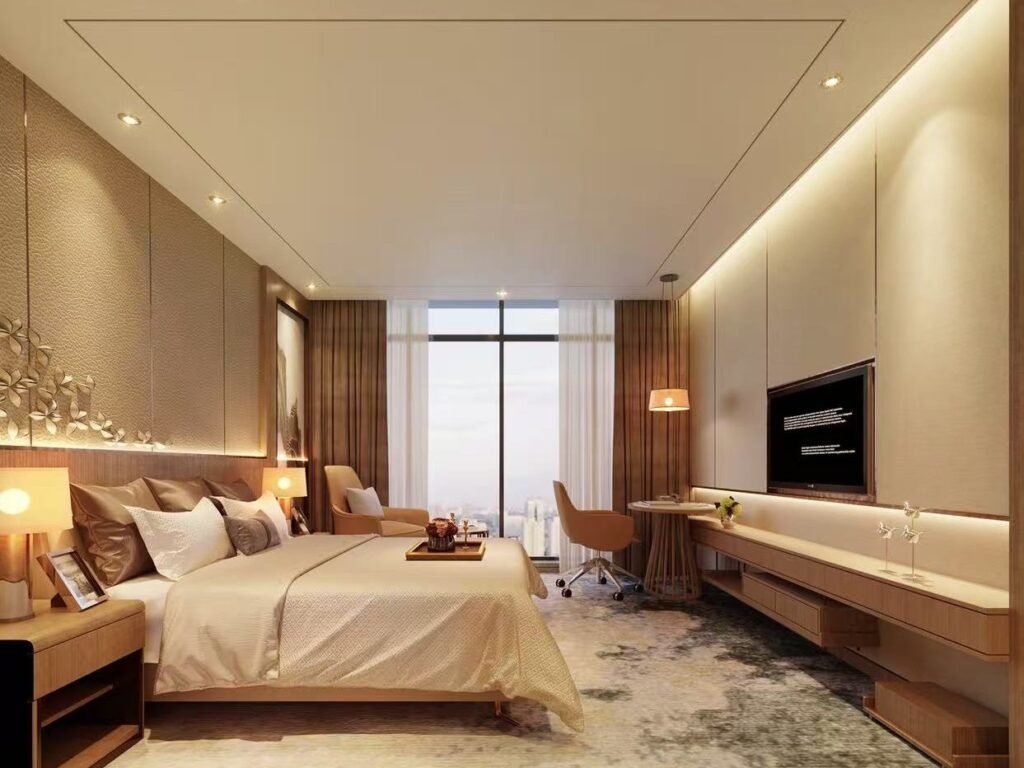
Most content available on hotel room furnishings approaches the topic from an inspirational angle — design trends, mood and atmosphere, the emotional story furniture tells about a brand. That perspective has value, but it leaves a gap for the people who actually need to specify, source, and procure these products: hotel developers, operators, interior designers, and FF&E procurement managers who need material standards, durability benchmarks, and a structured framework for evaluating suppliers.
This guide fills that gap. It covers what hotel room furnishings actually are within the broader FF&E system, how fixed and loose furniture should be configured, the material and hardware standards that determine whether furniture performs through a full renovation cycle, and the specific procurement steps required to source these products reliably across international borders.
The Complete Definition
Hotel room furnishings refer to the complete set of furniture, storage systems, and functional fixtures installed within a guest room — including beds, wardrobes, desks, nightstands, seating, and built-in millwork — that together determine the room's comfort, functionality, and perceived quality. In the hospitality industry, these items are typically categorized and procured as part of a property's FF&E (Furniture, Fixtures & Equipment) package.
Where Hotel Room Furnishings Sit Within the FF&E System
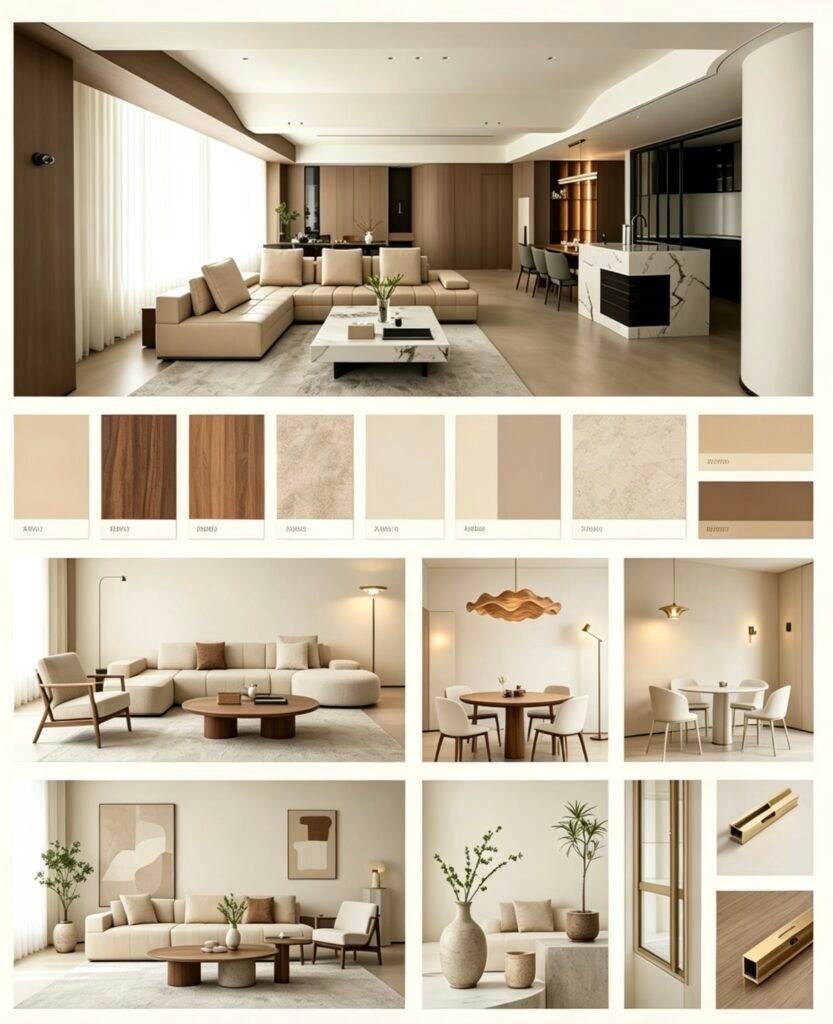
Why Guest Room Furnishings Are a Central Investment Decision
Guest room furnishings represent one of the largest single line items in a hotel renovation budget, with standard renovation cycles running three to six years between full refurbishments. Furniture quality directly shapes a guest's first perception of property quality — the tactile experience of opening a wardrobe door, the visual finish of a headboard, the smoothness of a drawer — registers before any other element of the room.
Unlike residential furniture, hotel furnishings must withstand a frequency and intensity of use that residential specifications were never designed for. A wardrobe door in a private home might be opened ten times a day by one or two consistent users. The same wardrobe door in a hotel room is opened by a different guest, with different habits and different levels of care, every few days across an entire renovation cycle — accumulating tens of thousands of cycles that residential-grade hardware and substrate were never engineered to survive.
Definitions
Fixed (built-in) furniture is permanently attached to the building structure — wall, floor, or ceiling. Typical examples include fitted wardrobes, fixed headboards with integrated surround millwork, built-in desks, and bathroom vanities.
Loose (movable) furniture is not structurally connected and can be freely relocated or rearranged. Typical examples include chairs, freestanding nightstands, luggage racks, and lounge sofas.
Fixed vs Loose Comparison
Typical Configuration Strategy for Hotel Projects
Core storage categories — wardrobes, headboard surrounds, and desks — are predominantly specified as fixed furniture to maximise space utilisation and durability. This is also the core product category that factory-direct millwork suppliers, including manufacturers specialising in custom cabinetry and wardrobe systems, are best positioned to deliver.
Supplementary functional and lounge categories — chairs, luggage racks, and freestanding nightstands — are predominantly specified as loose furniture, preserving operational flexibility for room reconfiguration and seasonal style refreshes without major construction work.
The industry trend is toward integrating more function into fixed furniture — headboards that incorporate USB and power outlets, reading lights, and storage compartments — reducing the number of independent loose furniture pieces and producing a cleaner, more "disappearing storage" aesthetic that has become a hallmark of contemporary hotel room design.
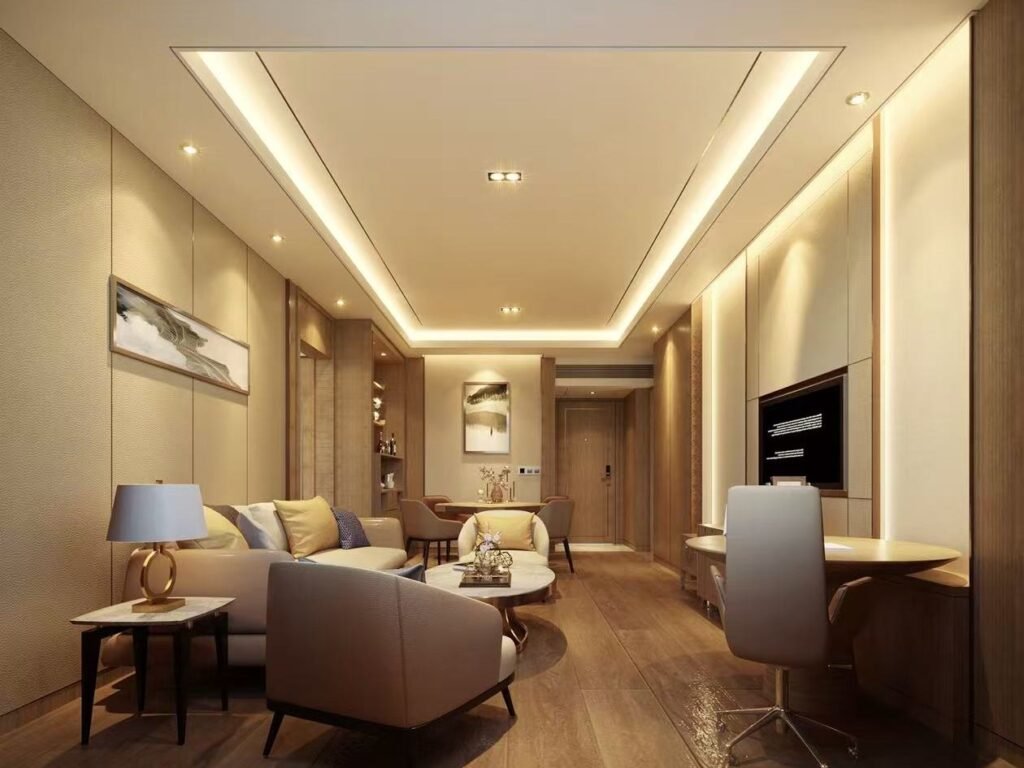
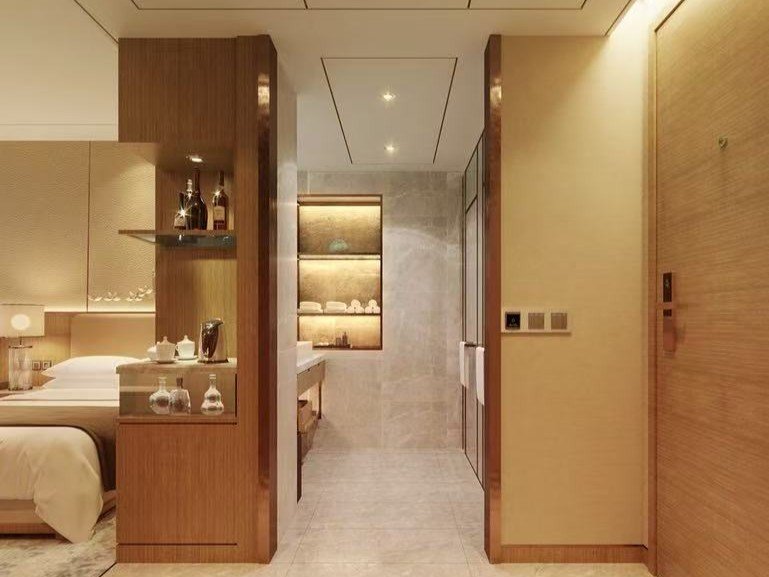
Headboard and Bed Surround Millwork
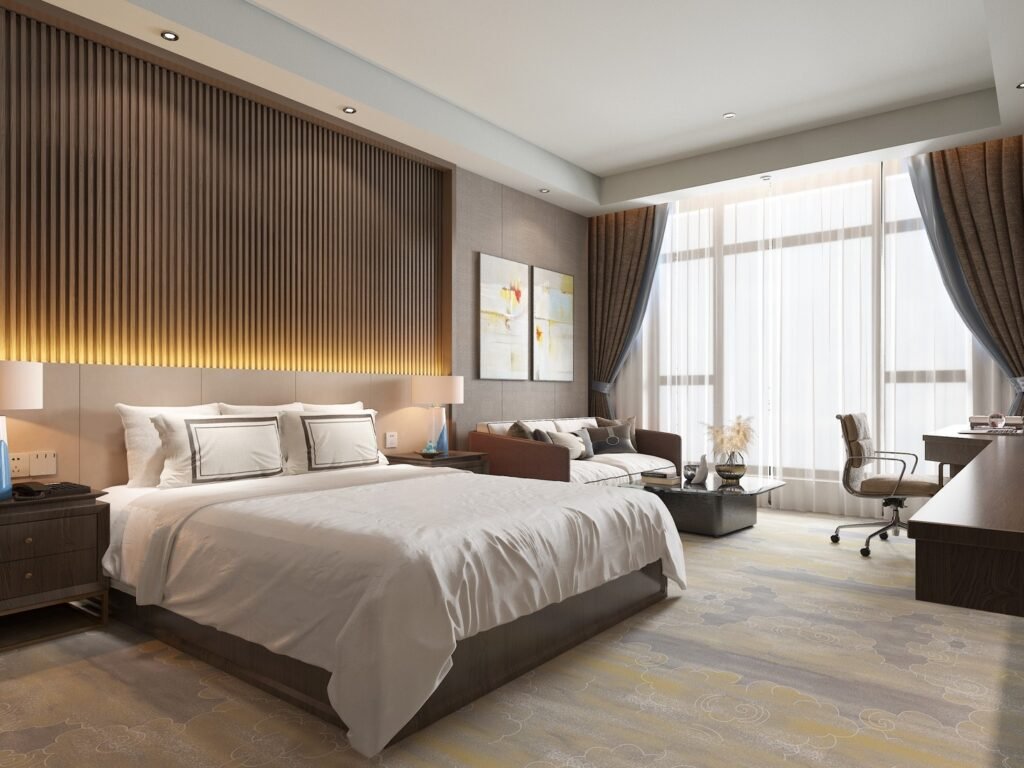
The headboard has evolved from a purely decorative element into a functional integration centre in contemporary hotel design — incorporating USB and power outlets, reading lights, and storage compartments directly into the surround structure. Coordinating the headboard surround's material and finish with the wardrobe system is a key element of design consistency in contemporary guest room specification.
Wardrobe and Storage Systems
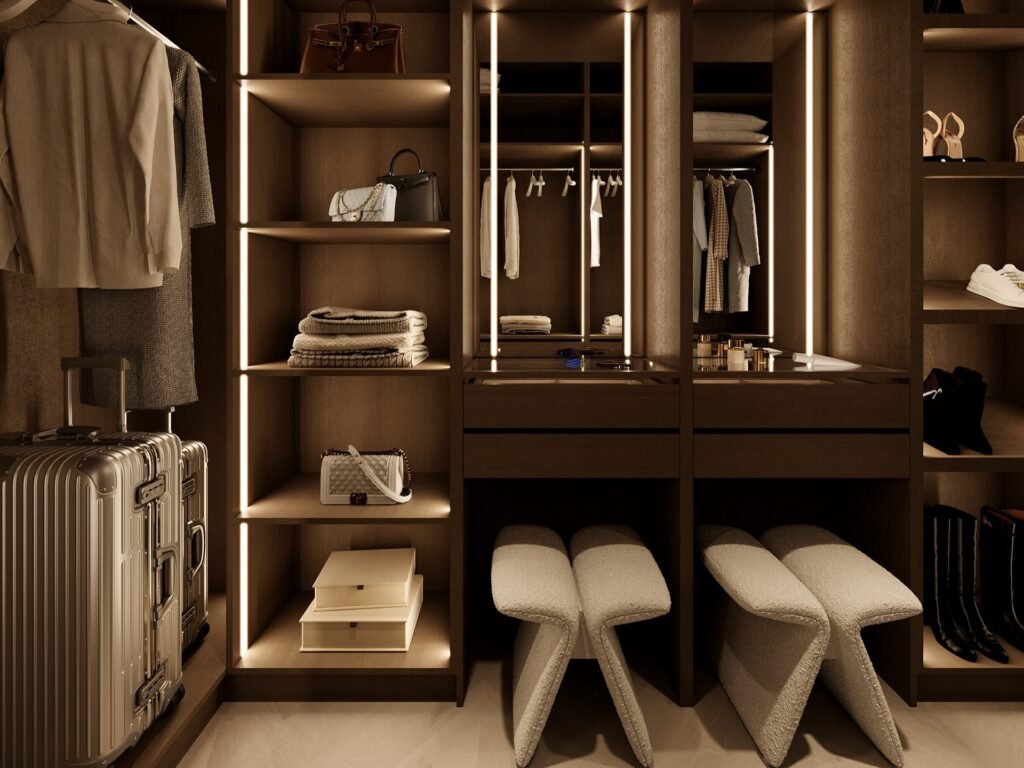
The wardrobe is the core storage element of a hotel guest room, with standard configurations including hanging space, a recessed safe position, an ironing board compartment, and a luggage shelf. Configuration requirements vary significantly by hotel category — covered in detail later in this guide. The broader industry trend is a shift from bulky freestanding armoires toward fitted, space-efficient wardrobe design.
Desk and Work Surface Millwork
A core specification element for business hotels, and one that can be simplified or merged with lounge furniture in leisure-focused properties. Current trends favour open work zones integrated with lounge seating, or folding, concealable desk designs that recover floor area when not in use.
Bathroom Vanity and Millwork
Moisture-resistant material specification is the central requirement for bathroom furnishings, covered in detail in the material specification section below. Floating vanity design has become standard in contemporary hotel bathroom design — reducing visual mass and simplifying floor cleaning.
Seating and Lounge Furniture
Desk chairs, lounge chairs, and sofas (in suite configurations) round out the seating category. Multi-functional convertible furniture — sofa beds and Murphy beds — are increasingly specified in compact guest room formats where flexibility between lounge and sleep configurations adds value.
Luggage Rack and Functional Accessories
Standard equipment in nearly all hotel categories, with the design trend shifting from freestanding rack designs toward built-in or folding wall-mounted alternatives that reduce floor footprint when not in use.
Substrate Selection
Surface Finish Requirements
Scratch resistance, stain resistance, and ease of cleaning are the priority considerations for hotel furnishing finishes — taking precedence over pure visual impact in specification decisions. PVC wrapping, melamine laminate, and matte spray lacquer are the recommended finish options, all offering strong cleanability and maintenance performance under daily hospitality use. High-gloss finishes, while visually striking, show cleaning marks and contact wear more prominently under high-frequency use and should be specified with this trade-off in mind.
Surface Finish Requirements
Hardware Cycle Rating Requirements
Why Hotel Furnishings Require Standards Far Above Residential Specification
Hotel guest rooms experience significantly higher occupancy turnover than residential environments, with furniture components subjected to use frequency that exceeds residential conditions substantially. Usage patterns also vary considerably across different guests, with some using furniture far less carefully than a typical homeowner would.
With renovation cycles typically spanning three to six years and almost no mid-cycle hardware replacement, hardware must maintain stable performance across the entire operational period — which is precisely why the cycle rating gap between residential and hospitality specification exists and matters.
Panel Density and Structural Strength Requirements
High-frequency use positions — wardrobe doors and drawer carcasses — should specify board density of 700 kg/m³ or above. Headboard surrounds and desk structures, which carry sustained dynamic loads from daily contact, should be specified with reinforced structural design appropriate to that load pattern.
The Continued Growth of Built-in Furnishings
The shift from freestanding to fitted furniture remains the most significant trend across the hospitality industry. The drivers are consistent across markets: maximising space efficiency, improving visual cleanliness, and reducing long-term maintenance cost relative to freestanding alternatives.
Multi-Functional Integration
Headboard surrounds increasingly incorporate charging ports, reading lights, and storage compartments. The boundary between desk and lounge zones continues to blur, with open functional zoning replacing rigidly separated furniture arrangements.
Wall-Mounted and Floating Design
Floating nightstands and floating bathroom vanities have become standard in contemporary hotel design. The advantages are dual: reduced visual mass that makes rooms feel more spacious, and simplified housekeeping with no floor-level obstruction to clean around.
Smart Technology Integration
USB-C and wireless charging interfaces integrated directly into furniture surfaces, and smart lighting control panels embedded into headboard furniture, are increasingly standard specifications in contemporary guest room design.
How to Procure Hotel Room Furnishings: A Buyer's Guide
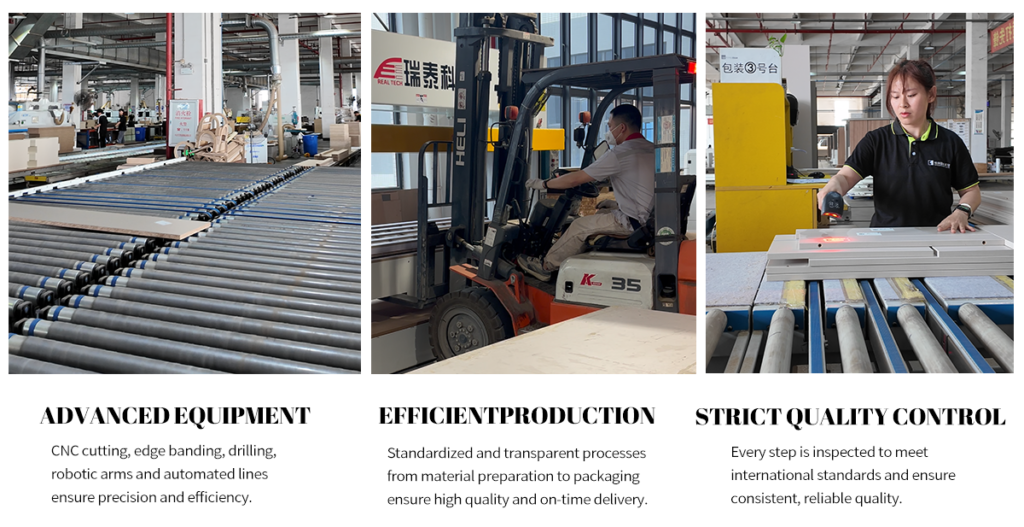
Reference Timeline for Cross-Border ProcurementLuxury Villa Kitchens
For projects of 100 rooms or above, initiating procurement at least 90 days ahead of the required completion date is strongly recommended.
FAQS
Conclusion:
Explore our Kitchen Cabinets and Wardrobe collections to see factory-direct cabinetry for villa and hotel projects, or contact our team for a project-specific consultation and quote.Related reading:
— White Lacquer Glass Texture Kitchen Cabinets: Design Guide for Villa & Hotel Projects
— Which Material Is Best for Kitchen Cabinets? Complete Guide for Villa & Hotel Projects
— Cabinetry Factory: How to Choose the Right Custom Cabinet Manufacturer for Villa and Hotel Projects
— Woodwork Wardrobe: Design Styles, Materials & Custom Guide for Villa and Hotel Projects
— Turnkey Interior Solutions: The Complete Guide for Property Projects
— What Is a Flush Door? Complete Guide to Types, Materials & Project Applications
— Hotel Fit-out Projects: Case Studies and Delivery
— Villa Fit-out Projects: Full-House Interior Solutions