Blog

Single Hung vs. Double Hung Windows: A Project Sourcing Guide

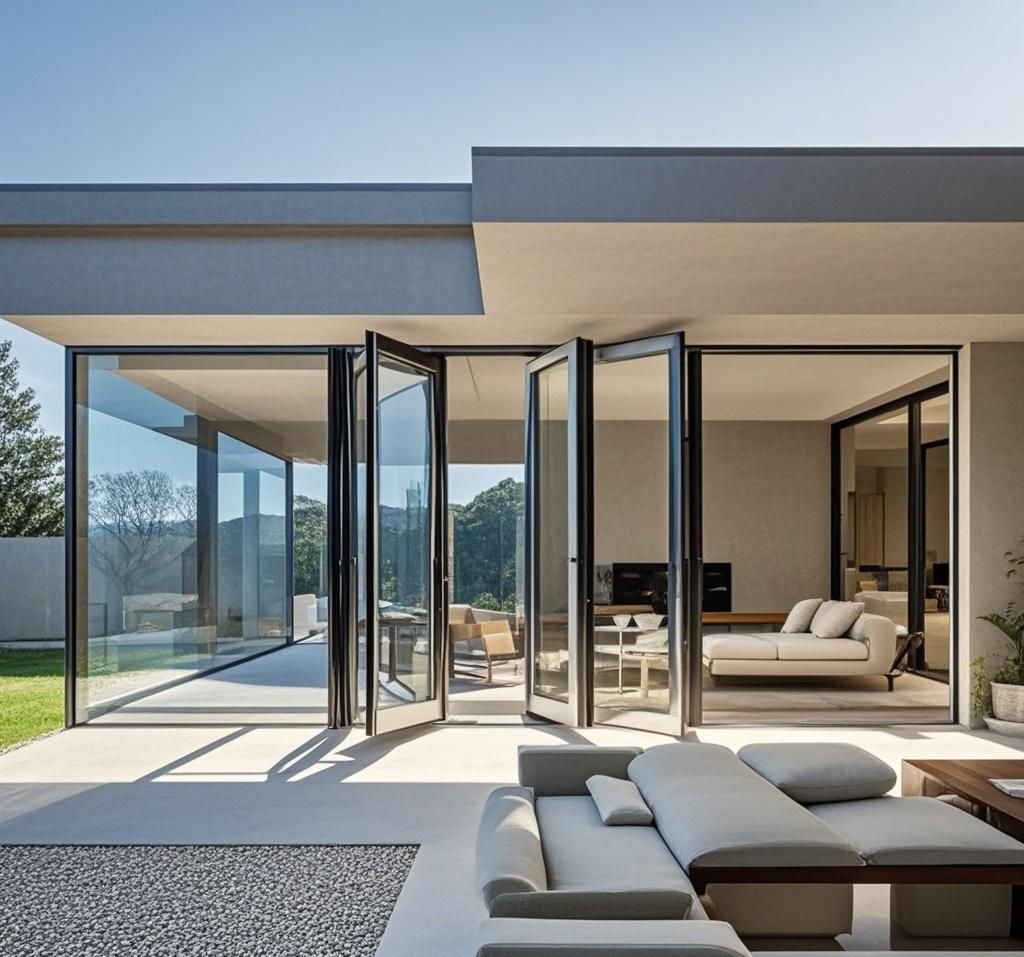
Bi-fold window doors open terrace view

In the pursuit of personalized spaces and premium living, mass-produced furniture often falls short of capturing the true essence of a home.

As modern minimalism and light luxury styles continue to dominate global design trends, high-end custom furniture has become the absolute core of creating an ideal living space.However, the custom furniture market can be highly complex.

Bridging the gap between a stunning design blueprint and the final product involves navigating materials, hardware, and craftsmanship. Here is how to choose bespoke luxury furniture like a professional designer.

window sash hardware detail

For a single home, this choice comes down to taste and budget. Specify the wrong sash type across 40 villas or 200 hotel rooms, and it becomes a recurring maintenance bill that shows up on every housekeeping schedule for the next decade.
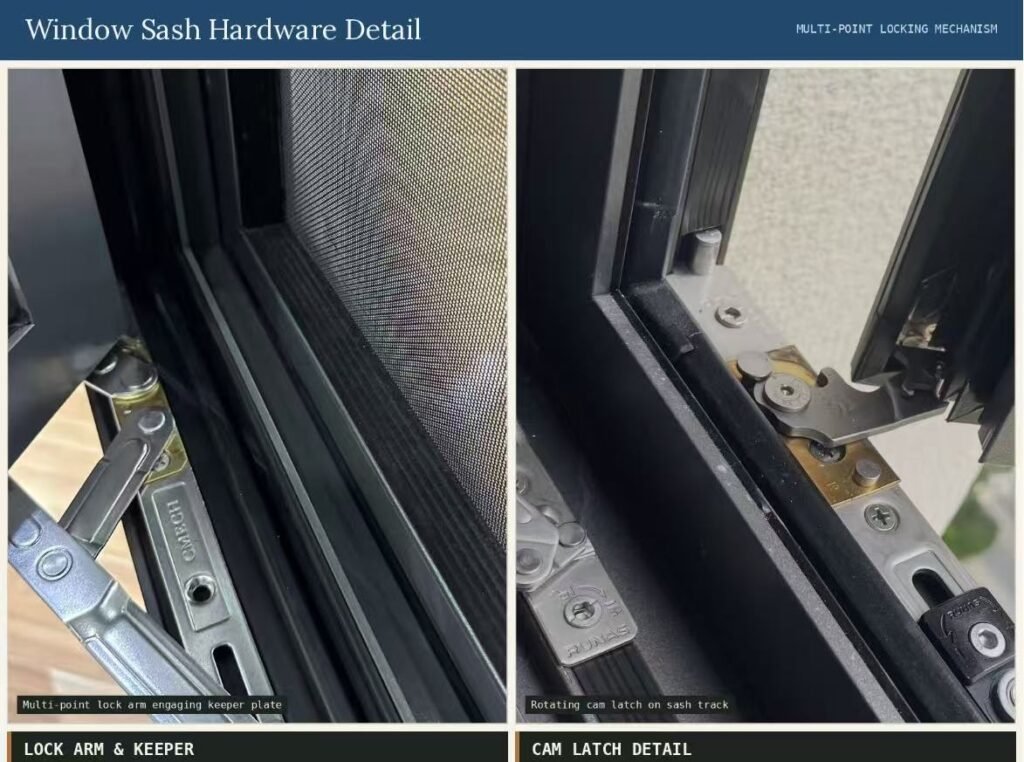
Most single hung vs. double hung comparisons are written for someone replacing a handful of windows in one house. The mechanics don't change at project scale, but the consequences of the decision do — a sash type that's a minor inconvenience in one home becomes a recurring facilities cost across a full development.

Read time — 8 min
Applies to — Aluminum & UPVC window systems
Scope — Villa & hospitality projects
What's the Actual Difference?

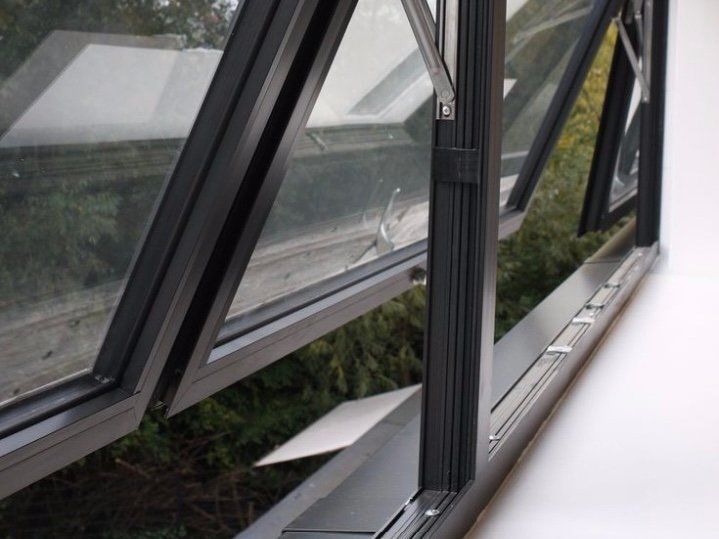
Awning window scissor arm hardware close-up

Both window types use two stacked sashes (the framed glass panels that move within the window frame). The difference is purely mechanical:

  • Single hung — only the bottom sash moves; the top sash is fixed in place.
  • Double hung — both the top and bottom sashes move independently, and both typically tilt inward for cleaning.

That’s the entire structural distinction. Everything else — ventilation performance, cleaning access, hardware cost, long-term maintenance — follows directly from whether one sash moves or two.

Side-by-Side Comparison

Single hung vs. double hung, project-relevant factors
FactorSingle hungDouble hung
VentilationBottom sash onlyTop & bottom — supports natural convective airflow
Exterior cleaningFixed top sash needs outside accessBoth sashes tilt in — no ladder needed
Moving parts / hardwareFewer — simpler, cheaper to maintainMore — added tracks, balances, locks
Relative unit costBaselineRoughly 10–30% higher per unit
Best-fit applicationBudget-driven, low-access, low-ventilation-need roomsBathrooms, kitchens, upper floors, high-traffic living spaces

Where Each Makes Sense in a Villa or Hotel Project

Bi-fold window doors open terrace view

The specification decision isn’t single hung or double hung across an entire project — most well-planned developments use both, matched to the room:

  • Single hung — guest room windows with balcony or ground-level access for cleaning, storage rooms, back-of-house corridors, and any application where the budget-per-unit needs to stay tight across a large room count.
  • Double hung — bathrooms and kitchens where cross-ventilation matters for humidity control, and any window above the ground floor or without balcony access, where cleaning the exterior of a fixed sash means scaffolding or a facilities call-out instead of a five-minute in-room task.

Spec by access, not by room type alone — the deciding factor for hospitality projects is usually less “which room is this” and more “can housekeeping or maintenance physically reach the exterior of this sash without special equipment.” That single question resolves most of the single-vs-double decision on a floor-by-floor basis.

The Maintenance Math at Project Scale

upper floor window cleaning access

A single-hung window’s fixed top sash is a minor quirk in a private home — worst case, someone calls a window cleaner once or twice a year. Multiply that across a hotel with windows on floors two through twelve, and the same fixed sash becomes a recurring line item: scaffolding or lift rental, scheduled facilities time, and a safety consideration that a tilt-in double hung sash removes entirely.

This is the calculation that gets missed when a project spec is written room-by-room instead of building-wide: the 10–30% higher unit cost of a double hung window is frequently smaller than the accumulated cost of servicing single hung exteriors on upper floors over a 10–15 year building life. For ground-floor villa windows with direct garden access, that math flips — single hung is very often the more sensible choice.

Climate & Market Considerations

For projects spanning Southeast Asia, the Middle East, and Australia, the sash-type decision interacts with climate in ways a single-market comparison guide won’t cover:

  • Humid, tropical climates — double hung’s top-and-bottom airflow supports passive cross-ventilation strategies common in Southeast Asian villa design, reducing reliance on mechanical cooling in transitional seasons.
  • Hot, arid climates — ventilation matters less than solar heat gain and glazing performance; single hung with a high-performance glass package can be the more cost-effective specification where the window is rarely opened at all.
  • Coastal or high-wind markets — fewer moving parts on a single hung window can mean a simpler, more weather-tight seal, worth weighing against the ventilation trade-off in cyclone- or storm-prone regions.

Sourcing Consistent Sash Types Across a Multi-Unit Project

The practical risk on a large order isn’t choosing the wrong type — it’s inconsistency between units when sash types, hardware finishes, or tilt mechanisms are sourced from more than one supplier batch over the course of a phased project.

At BoyceCasa, window specifications — single hung, double hung, or a mixed room-by-room plan — are locked at the start of a project and produced to that same hardware and finish standard across every unit, so a hotel’s floor 2 windows match its floor 12 windows exactly. This same consistency extends across our interior doors and wardrobe lines, so hardware and finish language stays uniform across an entire fit-out rather than reconciled per phase.


FAQS

What is the main difference between single hung and double hung windows?

In a single hung window, only the bottom sash moves while the top sash stays fixed. In a double hung window, both sashes move independently and typically tilt inward for cleaning.

On upper floors or in high-humidity rooms, the added ventilation and tilt-in cleaning access often offset the 10–30% higher unit cost over the building's lifetime, since it removes recurring exterior-access maintenance. On ground-floor units with easy access, single hung is frequently the more cost-effective choice.

Double hung windows are generally preferred in bathrooms and kitchens because opening both the top and bottom sash supports better cross-ventilation, which helps manage humidity and odors in these rooms.

They have fewer moving parts, which generally means simpler upkeep. However, cleaning the exterior of a fixed top sash on upper floors can require external access equipment, which may add recurring cost that offsets the simpler mechanism over time.

Yes, and many well-specified projects do — matching single hung to budget-conscious, easily accessible locations, and double hung to bathrooms, kitchens, and upper-floor windows where ventilation and cleaning access matter more.

Explore our Kitchen Cabinets and Wardrobe collections to see factory-direct cabinetry for villa and hotel projects, or contact our team for a project-specific consultation and quote.
Related reading:
Door Rough Opening Size: The Complete Chart & Sourcing Guide 
Transom Windows: Types, Sizing & Sourcing Guide 
Turnkey Interior Solutions: The Complete Guide for Property Projects

Let’s Discuss, Your Project.

Tell us about your project requirements and we’ll connect you with the right team. We typically respond within 24 hours on business days.

Call / WhatsApp
Offices
Located on Central Avenue, Nanhai District, Foshan City, Guangdong Province

Start a Conversation

Fill in your details and we’ll be in touch shortly.


Scroll to Top