Blog

Laminate Kitchen Cabinets: The Real Quality Checklist

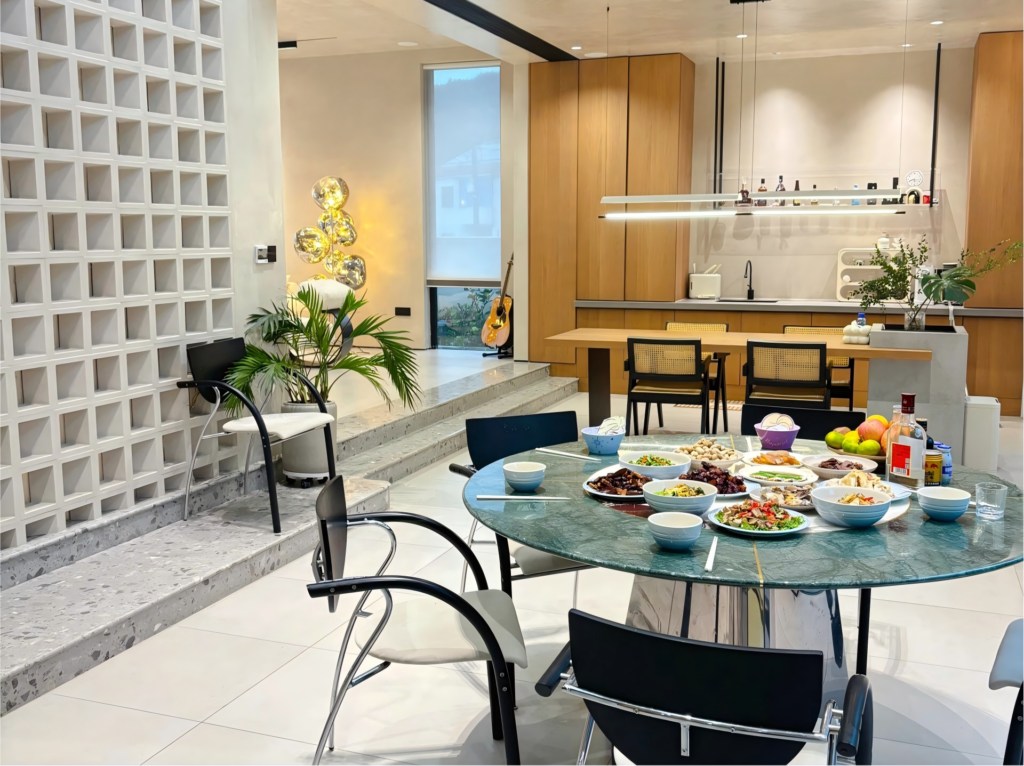
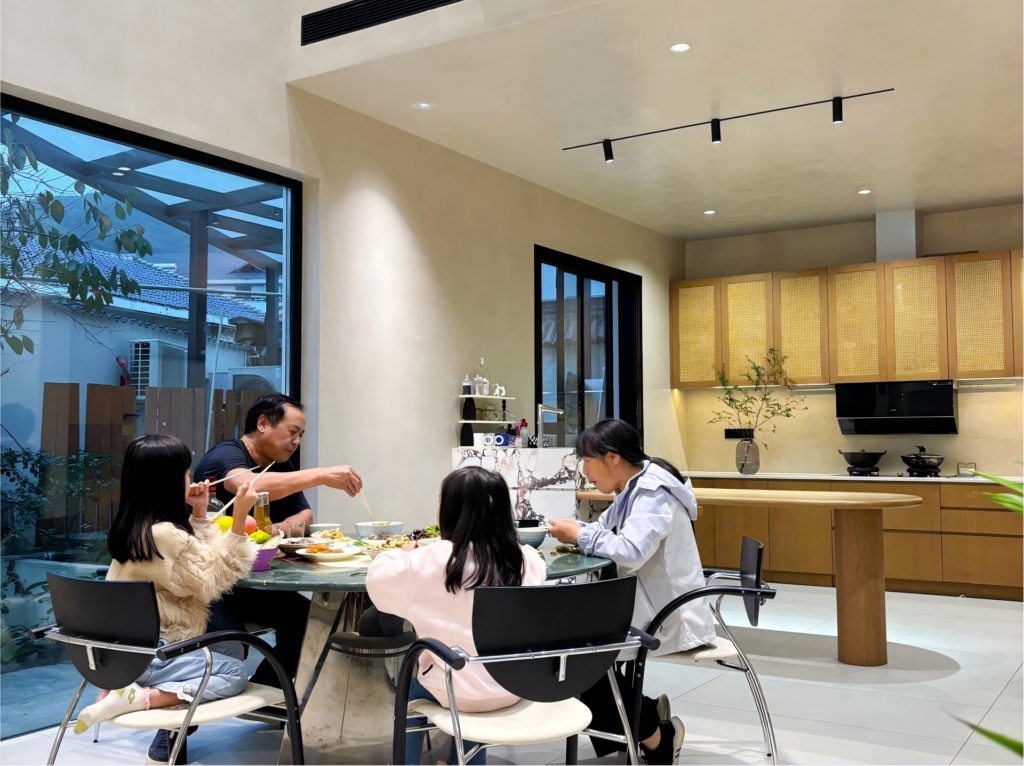
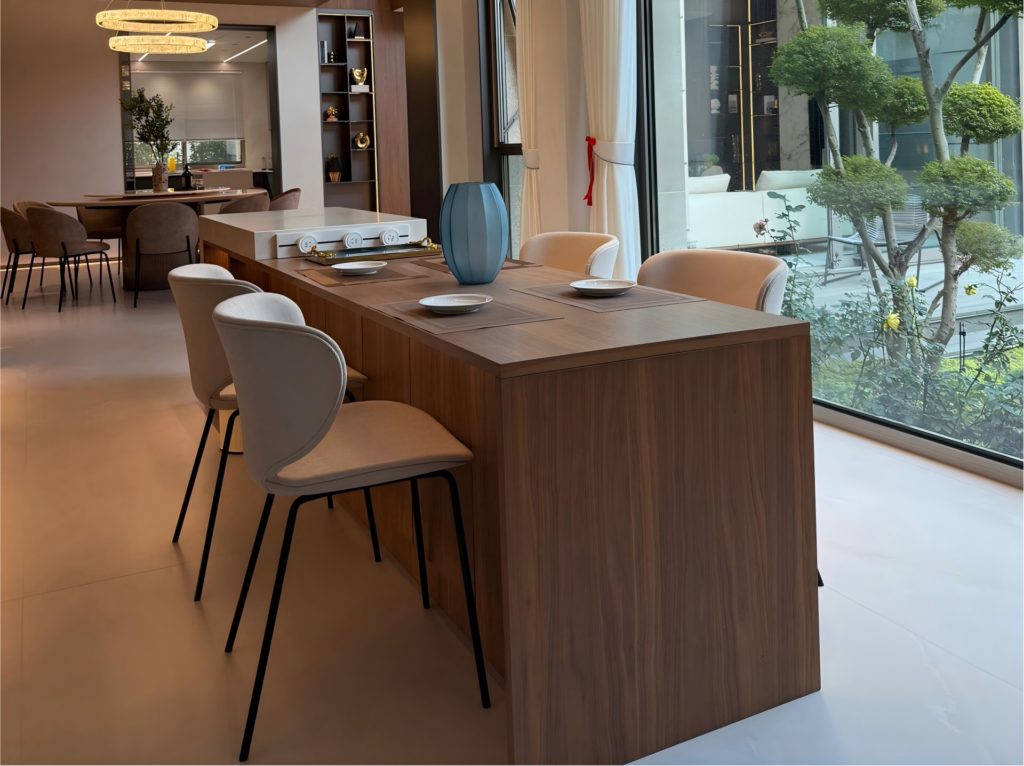
Premium villa dining table custom set

In the pursuit of personalized spaces and premium living, mass-produced furniture often falls short of capturing the true essence of a home.

As modern minimalism and light luxury styles continue to dominate global design trends, high-end custom furniture has become the absolute core of creating an ideal living space.However, the custom furniture market can be highly complex.

Bridging the gap between a stunning design blueprint and the final product involves navigating materials, hardware, and craftsmanship. Here is how to choose bespoke luxury furniture like a professional designer.
Every laminate guide tells you the pros and cons of the material. Almost none tell you the four specific things that actually separate a laminate cabinet that lasts fifteen years from one that peels in three — and none of them adjust that advice for a humid tropical kitchen versus a hot dry one.
If you've read a few laminate cabinet guides already, you've probably noticed they all say roughly the same thing: laminate is affordable, durable, easy to clean, but can peel or look less premium than solid wood. True, but that's where most of them stop — right before the part that actually matters: which specific laminate cabinets peel, and which ones don't, and why.

Read time — 9 min
For — Anyone comparing laminate quality, not just laminate vs. wood
Climate scope — Humid & hot-dry regions
The Four Things That Actually Separate Good Laminate From Bad

“Laminate” isn’t one product — it’s a category that includes everything from a thin printed foil that scratches through in a year to a properly engineered high-pressure laminate that outperforms painted wood. These four factors are what actually separate the two, and none of them are the laminate’s color or pattern.

 
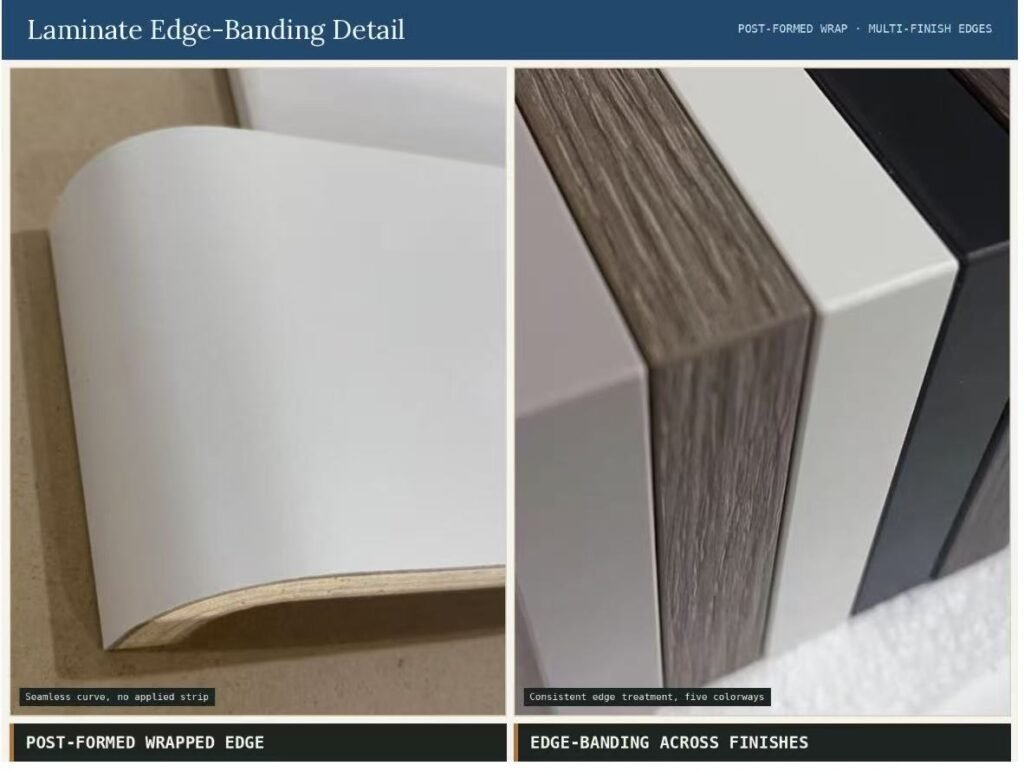
Wrapped edge versus applied edge tape laminate
What to check before you buy
FactorWhat to askWhy it matters
Edge-banding methodWrapped/post-formed edge, or applied edge tape?Applied tape is where peeling almost always starts first
Adhesive typeWhat adhesive bonds the laminate to the core?Weak or poorly cured adhesive lifts years before the laminate sheet itself fails
Laminate thicknessIs this a thin decorative foil or true HPL (high-pressure laminate)?Thicker HPL resists scratching through to a different-colored core
Core panel typeStandard particleboard/MDF, or moisture-resistant (MR/HMR) core?MR cores resist swelling at cut edges and around sink cabinets

The one question that tells you the most — ask directly: “is the edge wrapped in one continuous piece, or is a separate strip of edge tape applied?” A supplier who can answer this specifically, with a sample in hand, is telling you they understand where laminate actually fails. A vague answer is itself useful information.

HPL vs. TFL vs. Melamine — Which One You Actually Need

These three terms get used almost interchangeably in laminate marketing, but they’re genuinely different products with different best uses:

  • Melamine / TFL (thermally fused laminate) — a resin-impregnated decorative paper fused directly onto the core under heat, with no separate glue line. Cost-effective, good for lower-traffic cabinetry or secondary rooms.
  • HPL (high-pressure laminate) — multiple layers pressed at high pressure into a thicker, denser sheet, then bonded to the core. More resistant to scratches, heat, and impact — the better choice for kitchens, which see the heaviest daily wear of any room in the home.

As a simple rule: melamine/TFL is a reasonable choice for a laundry room, wardrobe interior, or secondary bathroom; HPL is the better-justified choice specifically for kitchen cabinetry, where scratch and heat resistance matter most.

Why Laminate Actually Peels — and Why It's Not Random

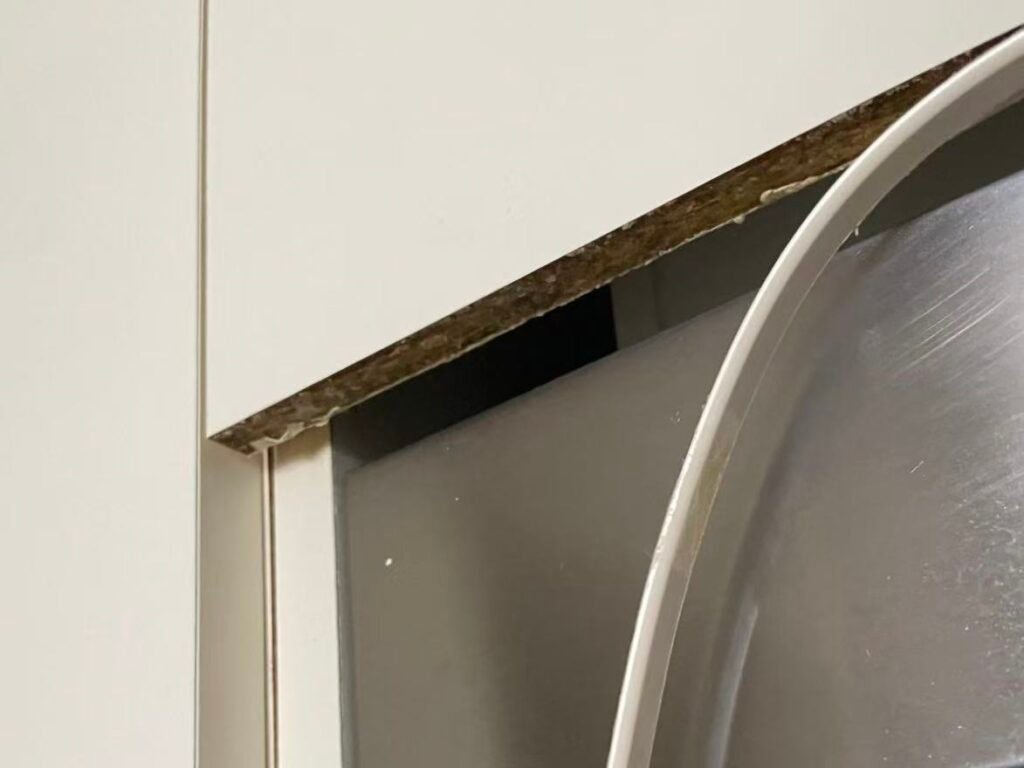
Peeling has three specific, avoidable causes, not a mysterious “laminate just wears out” explanation:

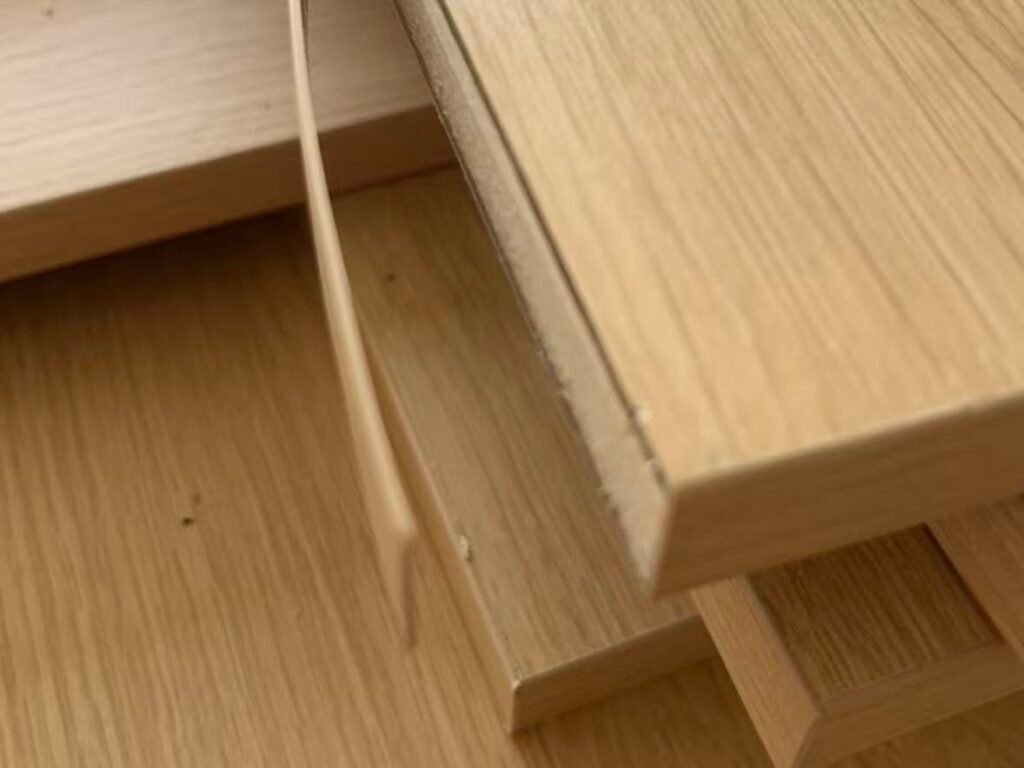
Peeling laminate cabinet edge near sink
  1. Moisture at edges and seams — water sitting at a sink cabinet’s edge or steam repeatedly hitting a spot near the stove weakens the adhesive bond over time, which is why sink and range-adjacent cabinets are almost always first to show damage.
  2. Poor edge-banding — an applied strip of edge tape has a seam that moisture can work into; a properly wrapped or post-formed edge has no such seam to begin with.
  3. Heat exposure — cabinets next to ovens can soften the adhesive layer over years of repeated heat cycling, regardless of how good the laminate sheet itself is.

Two Climates, Two Different Specifications

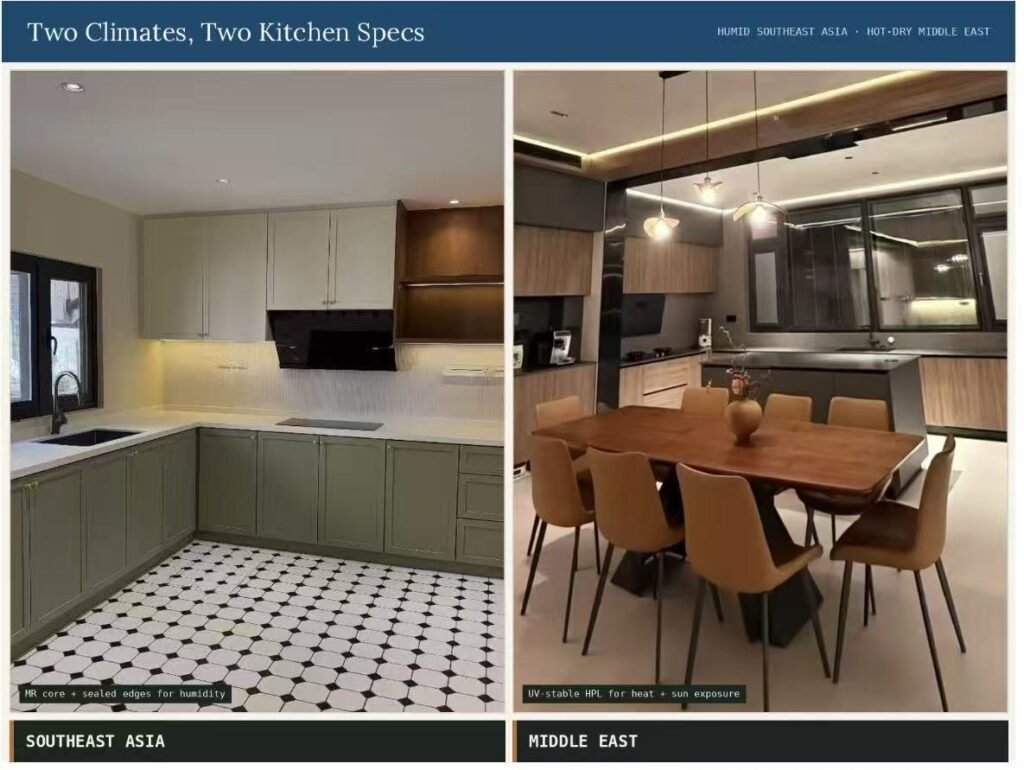
This is the part almost no laminate guide addresses, and it matters directly if you’re sourcing for Southeast Asia, the Middle East, or a portfolio spanning both:

Laminate kitchen cabinets in humid versus dry climate
Climate-specific laminate specification
ClimatePrimary riskSpec priority
Humid / tropical (Southeast Asia)Moisture absorption, swelling at cut edgesMoisture-resistant (MR/HMR) core, sealed edge banding on all four sides
Hot / dry (Middle East)Sustained heat exposure, UV fading near windowsHeat-resistant HPL grade, UV-stable decorative layer for sun-exposed runs

A laminate specification built only around one of these two conditions can genuinely underperform in the other — an MR core solves Southeast Asia’s humidity problem but says nothing about UV fade resistance for a Gulf kitchen with strong window light, and a heat-stable Gulf-grade laminate says nothing about moisture resistance at a Jakarta sink cabinet.

The Question Nobody Asks: What Happens at Twenty Kitchens, Not One?

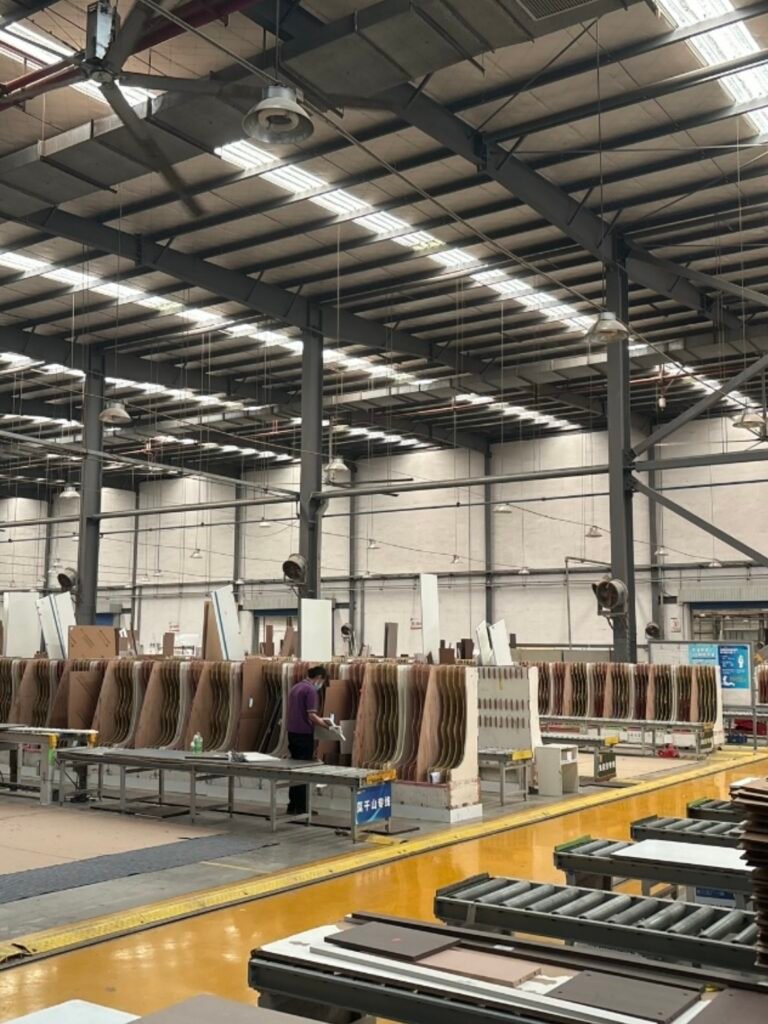
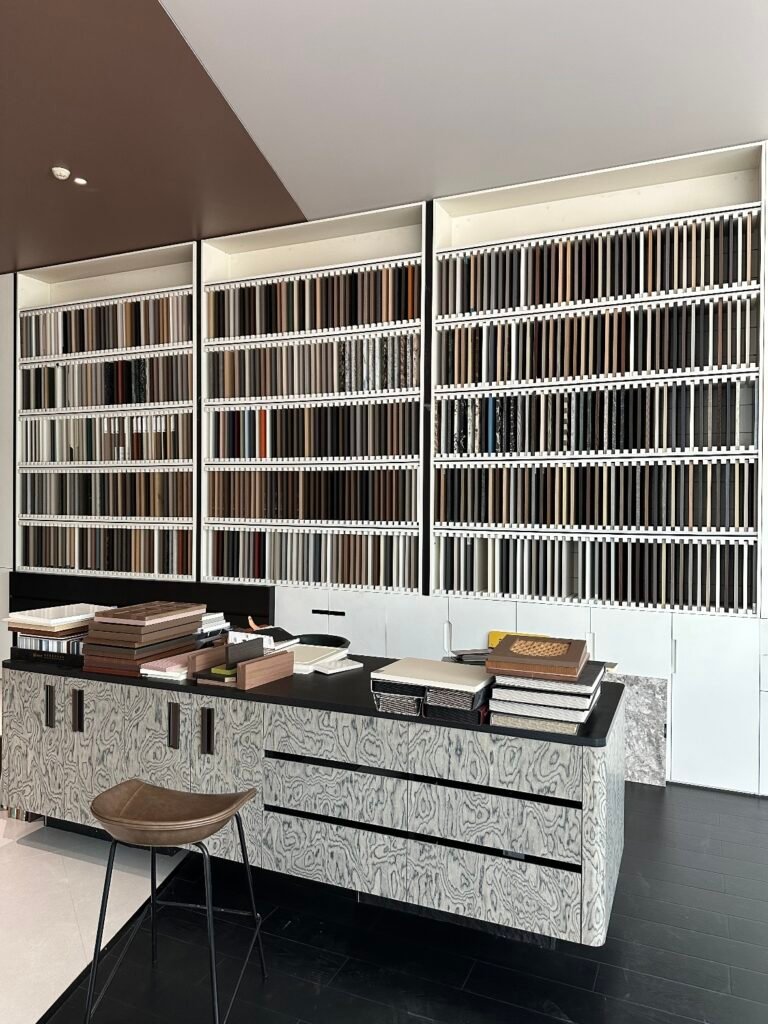
If you’re specifying laminate cabinets for a single home, batch consistency barely matters. If you’re specifying the same finish across a villa development or a hotel’s guest room kitchenettes, it becomes the main quality risk — a laminate color or texture that matches perfectly in the approved sample can vary subtly between production runs if a supplier isn’t holding tight process control, and a mismatch that’s invisible in one kitchen becomes obvious across twenty identical, adjoining units.

engineered wood panel manufacturing factory
kitchen cabinet door finish samples

Sourcing Laminate Cabinets That Hold Up — At One Unit or a Hundred

At BoyceCasa, laminate cabinetry is specified with continuous wrapped edge banding and moisture-rated adhesive as standard, with core panel and laminate grade adjusted to the project’s actual climate — MR core and sealed edges for humid Southeast Asian sites, UV-stable HPL grades for sun-exposed Gulf kitchens — rather than one generic specification applied everywhere. Finish batches are matched against a retained master sample across every unit in a project. This same attention extends across our kitchen cabinets, wardrobe, and interior doors lines.

Minimalist modern dining room layout
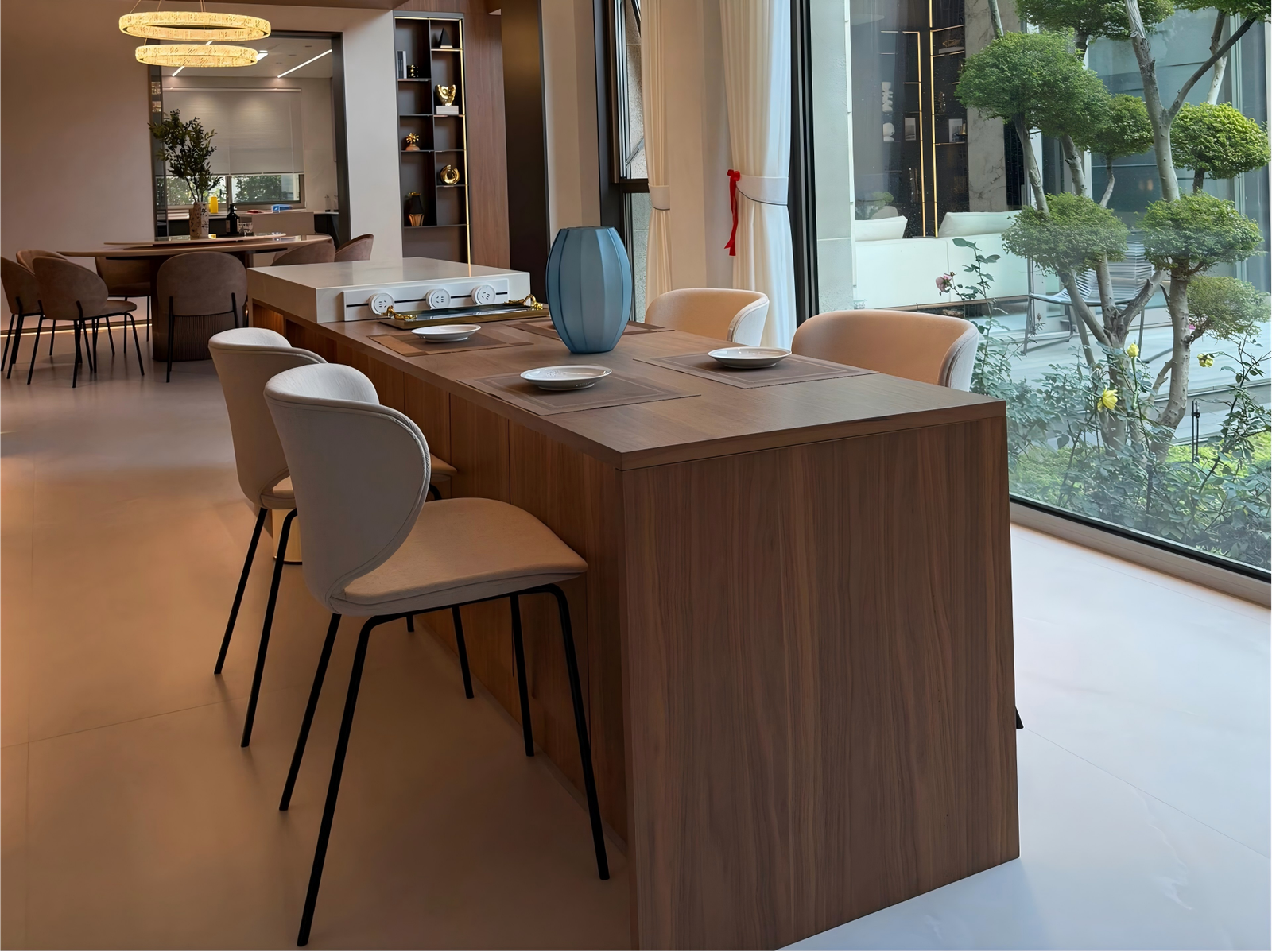
Custom dining room furniture for villa


FAQS

What's the difference between HPL and melamine laminate?

Melamine (TFL) is a decorative paper fused directly onto the core with no separate glue line, more cost-effective but less impact-resistant. HPL (high-pressure laminate) is a thicker, denser sheet bonded to the core, offering better scratch, heat, and impact resistance — generally the better choice for kitchen cabinetry specifically.

Peeling is most commonly caused by moisture exposure at edges and seams, poor edge-banding (particularly applied edge tape rather than a wrapped edge), and repeated heat exposure near ovens — not simply age on its own.

Yes. In humid, tropical climates, a moisture-resistant (MR or HMR) core panel and fully sealed edge banding on all four sides are the priority specifications, since standard cores and edges are more prone to swelling in sustained humidity.

With the right specification, yes — a heat-resistant HPL grade with a UV-stable decorative layer holds up better in sun-exposed, high-heat conditions than a standard laminate sheet, which can fade or discolor under prolonged UV exposure.

Each production batch should be matched against a fixed, retained master sample rather than re-matched by eye, which is the standard practice needed to keep finish consistent across a multi-unit villa or hotel project.

Explore our Kitchen Cabinets and Wardrobe collections to see factory-direct cabinetry for villa and hotel projects, or contact our team for a project-specific consultation and quote.
Related reading:
White Lacquer Glass Texture Kitchen Cabinets: Design, Materials & Sourcing Guide
White Oak Kitchen Cabinets: Durability, Cost & Sourcing Guide
Turnkey Interior Solutions: The Complete Guide for Property Projects


Let’s Discuss, Your Project.

Tell us about your project requirements and we’ll connect you with the right team. We typically respond within 24 hours on business days.

Call / WhatsApp
Offices
Located on Central Avenue, Nanhai District, Foshan City, Guangdong Province

Start a Conversation

Fill in your details and we’ll be in touch shortly.


Scroll to Top